

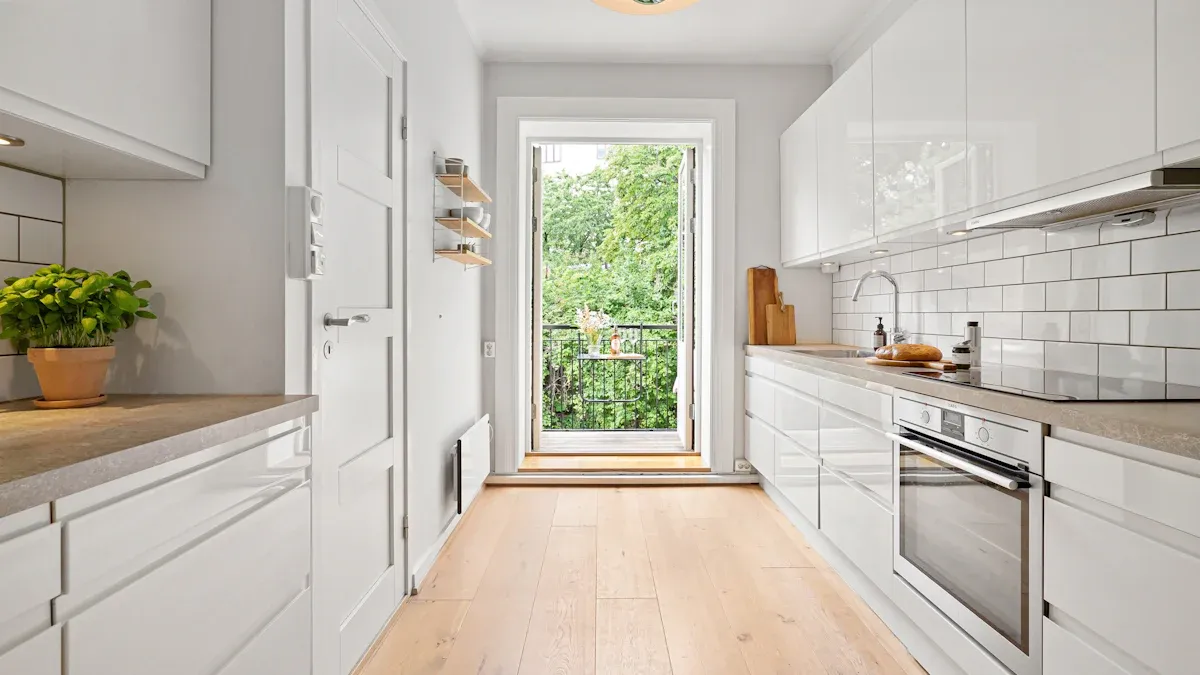
Living in a small space can feel cramped, right? You want your home to be both functional and stylish, but it often feels like a puzzle. With the right tips, you can make the most of every corner. Home improvement projects in small spaces become easier when you know how to maximize what you have.
Project Planning Tips
Assess Your Space
Before diving into any home improvement projects, take a moment to assess your space. Understanding what you have can make a big difference. Here are some key steps to consider:
Work with existing features: Identify architectural elements like windows and doorways. They can guide your design choices.
Remove obstructions: Clear away anything that blocks pathways. This enhances versatility and flow.
Balance your design: Ensure that furniture placement feels harmonious. You want your space to feel inviting.
Plan for movement: Make sure there’s enough room around furniture for easy navigation.
Consider everyone’s needs: If you have family members with disabilities, think about how they will use the space.
By following these steps, you can create a layout that maximizes functionality and comfort.
Set a Budget
Setting a budget is crucial for any home improvement project. It helps you avoid overspending and reduces stress. Here’s why budgeting matters:
A realistic budget allows you to prioritize projects based on your home’s condition and future plans.
Did you know that about 78% of home renovation projects exceed their initial budget estimates? Planning can help you stay on track.
In 2024, Americans spent a whopping $603 billion on renovations. This shows how important it is to plan and budget effectively.
When you set your budget, consider the following:
Evaluate each room’s current state: Identify areas that need immediate attention.
Prioritize essential upgrades: Focus on structural and safety improvements first.
Factor in your lifestyle: Think about how often you use each space and what brings you joy.
By taking these steps, you can ensure your home improvement projects are both successful and satisfying.
Design Solutions for Maximizing Small Spaces
Light Colors and Decor
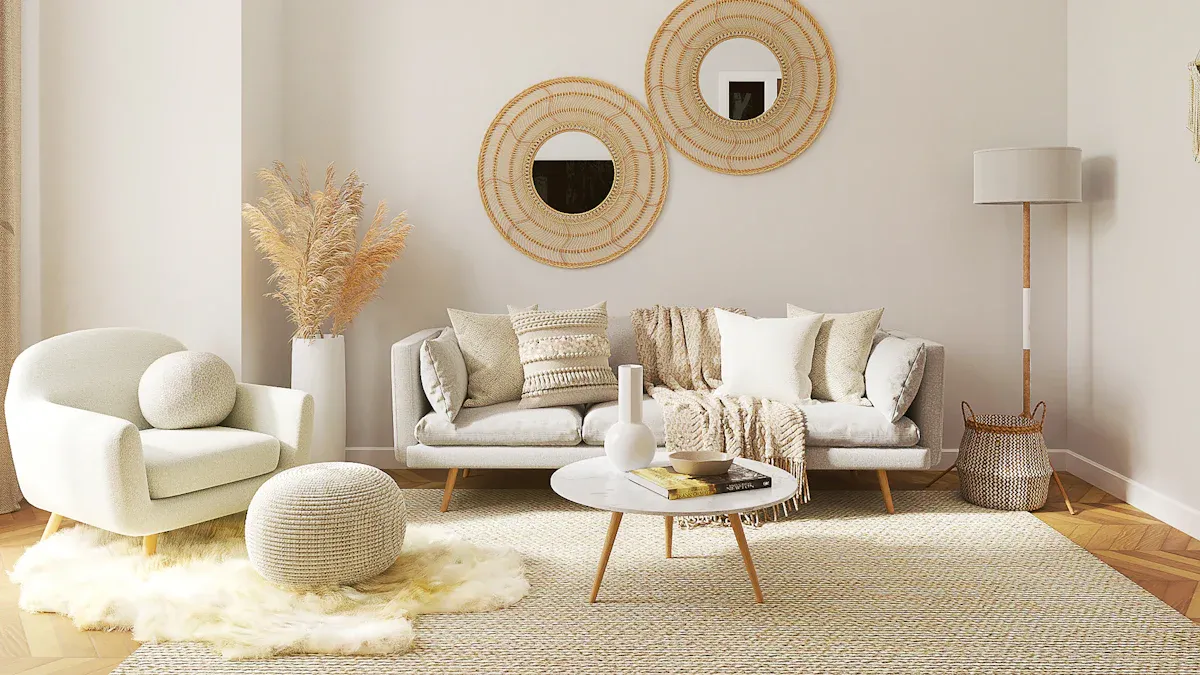
Using light colors in your home can significantly transform how you perceive space. Light shades reflect more light, making rooms feel larger and more open. Here are some tips to consider:
Choose lighter hues: Soft whites, pastels, and light grays can create a sense of airiness.
Incorporate mirrors: Mirrors reflect light and create an illusion of depth. Position a large mirror opposite a window to brighten dark corners and enhance the overall atmosphere.
Use negative space: Avoid clutter by leaving areas open. This creates a feeling of openness and makes your space feel less confined.
Color Type | Effect on Space |
|---|---|
Lighter | Creates a perception of openness |
Darker | Makes space feel smaller |
Multi-Functional Furniture
Investing in multifunctional furniture is a game-changer for small spaces. These pieces maximize utility while minimizing clutter. Here are some popular options:
Sofa beds: Perfect for accommodating guests without sacrificing space.
Storage ottomans: These provide seating and hidden storage, keeping your home organized.
Wall beds: Ideal for transforming a room from a living area to a bedroom in seconds.
Homeowners love multifunctional furniture for its ability to enhance functionality and adapt to various needs. By choosing the right pieces, you can create a stylish and efficient home that feels spacious and inviting.
Embrace these design solutions to transform your small space into a functional and beautiful haven!
Storage Tips for Small Areas
Decluttering and Organizing
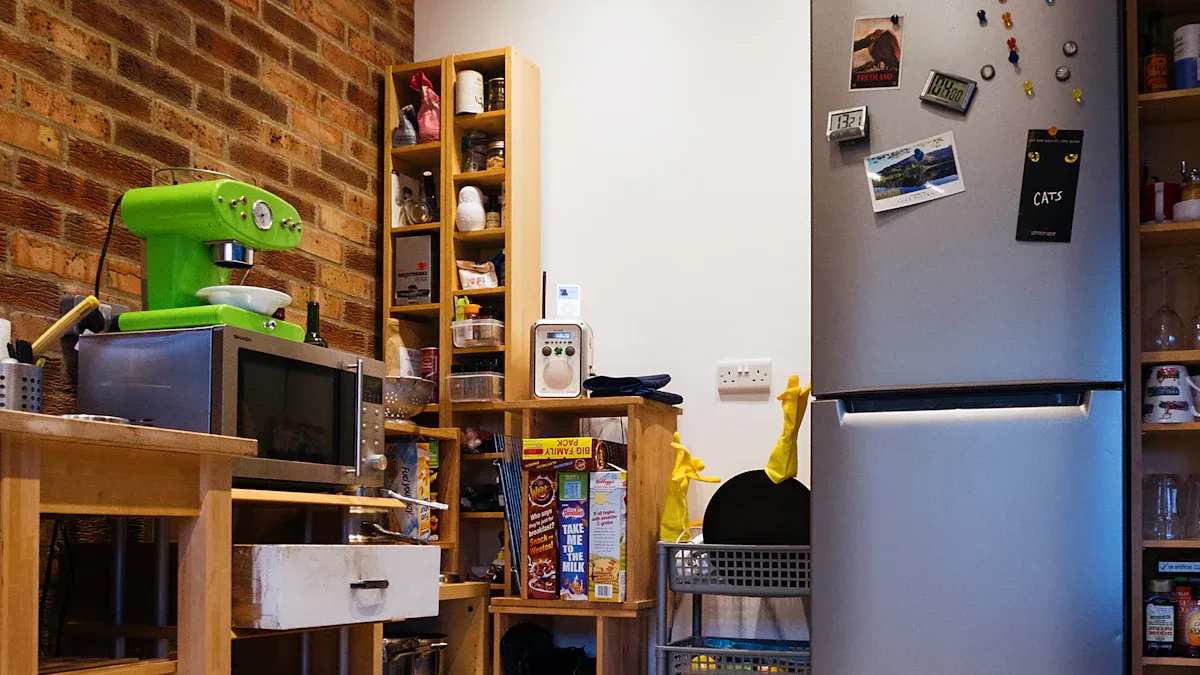
Decluttering is the first step to effective small space organization. You want to keep only what you truly need. Here are some tips to help you get started:
Declutter first: Assess your belongings and remove unnecessary items.
Utilize vertical space: Extend your storage upwards with taller cabinets or shelves.
Maximize under-furniture space: Store items in boxes under beds or couches.
Clear counters: Keep horizontal surfaces free of clutter for a more open feel.
By following these strategies, you can create a more organized and functional home. Remember, a tidy space not only looks better but also feels more inviting.
Vertical and Built-In Storage
When it comes to maximizing small spaces, vertical storage solutions are essential. They help you make the most of every inch. Here are some effective organizational strategies:
Built-in storage: Tailored to fit awkward spaces, built-ins optimize every corner of your home. They can be installed in challenging locations like under stairs or in attics, enhancing overall space efficiency.
Smart storage solutions: Use furniture that doubles as storage, like beds with drawers or ottomans that open up. This multi-functionality keeps your space neat and tidy.
Under-bed storage: Consider options like the Sterilite Ultra Storage Box or vacuum storage bags. These solutions help you utilize the often-overlooked space beneath your bed.
By implementing these innovative storage ideas, you can transform your small area into a well-organized haven.
DIY Home Improvement Solutions
Open Floor Plans
Creating an open floor plan can work wonders for small spaces. By minimizing walls, you enhance the feeling of openness and allow natural light to flow freely. Here are some actionable tips to consider:
Remove unnecessary walls: This creates a seamless transition between rooms, making your home feel larger.
Use multipurpose furniture: Items like a sofa bed or a coffee table with storage can help define areas without physical barriers.
Flexible layouts: Rearranging furniture can adapt your space for different activities, whether it’s a cozy movie night or a lively gathering.
Movable Furniture and Plants
Incorporating movable furniture adds flexibility to your home. You can easily rearrange pieces to suit your needs. Here are some advantages of using movable furniture:
Advantage | Description |
|---|---|
Flexibility | You can reconfigure your layout for different occasions, making your space versatile. |
Aesthetic Appeal | Minimalist designs with hidden storage create a cleaner look, enhancing your home’s ambiance. |
Everyday Convenience | Movable furniture simplifies daily tasks and keeps your space tidy. |
Adding plants can also transform your small space. They improve air quality and bring life to your home. Consider these benefits:
Indoor plants filter toxins, making your environment healthier.
They enhance aesthetics, adding natural beauty to your decor.
By combining open floor plans, movable furniture, and plants, you can create a clutter-free environment that feels spacious and inviting.
You can transform your small space into a functional and stylish haven with the right approach. Here are some key takeaways:
Smart design choices are crucial for maximizing small spaces.
Efficient use of available space can make your home more functional.
Start with simple improvements like painting and wall storage before tackling larger projects.
Remember, creative planning and effective layouts enhance functionality. So, take that first step today! Your small space has endless potential.
