

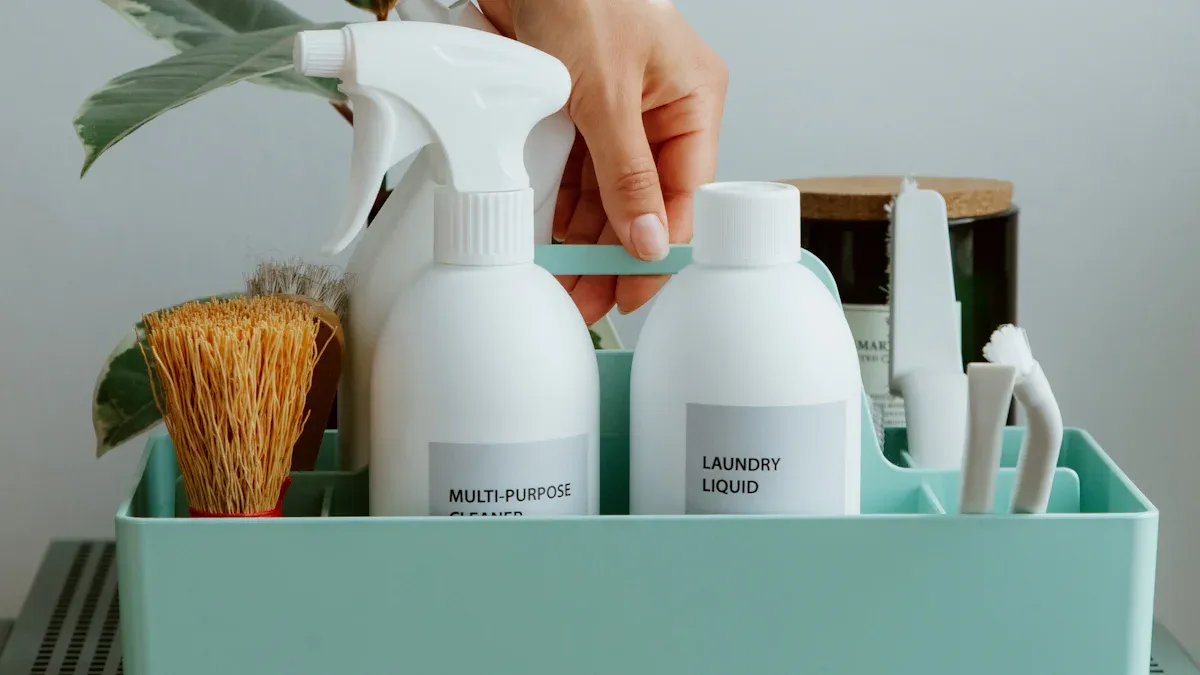
Switching to eco-friendly cleaning solutions can transform your home and the environment. These products help reduce harmful chemicals that pose risks to your health and the planet. For instance, traditional cleaners often contain toxic substances linked to respiratory issues, skin irritations, and even cancer. In contrast, eco-friendly options use biodegradable and non-toxic ingredients, making them safer for you and your family. Plus, they can be just as effective and often save you money in the long run. Why not make the switch for a healthier home and a cleaner planet? 🌍✨
Key Takeaways
Switch to eco-friendly cleaning solutions to protect your health and the environment. These products reduce harmful chemicals and improve indoor air quality.
Homemade cleaners can be just as effective as store-bought options. Use simple ingredients like vinegar and baking soda to save money and control what you use.
Choose nontoxic brands that prioritize safety and sustainability. Look for certifications like Green Seal and EPA Safer Choice to ensure product effectiveness.
Adopt zero waste cleaning methods to minimize environmental impact. Use reusable tools and implement recycling practices to reduce waste.
Embrace energy-efficient cleaning techniques to lower energy consumption. Simple actions like using microfiber cloths and air-drying laundry can make a difference.
Eco-Friendly Solutions
Homemade Cleaners
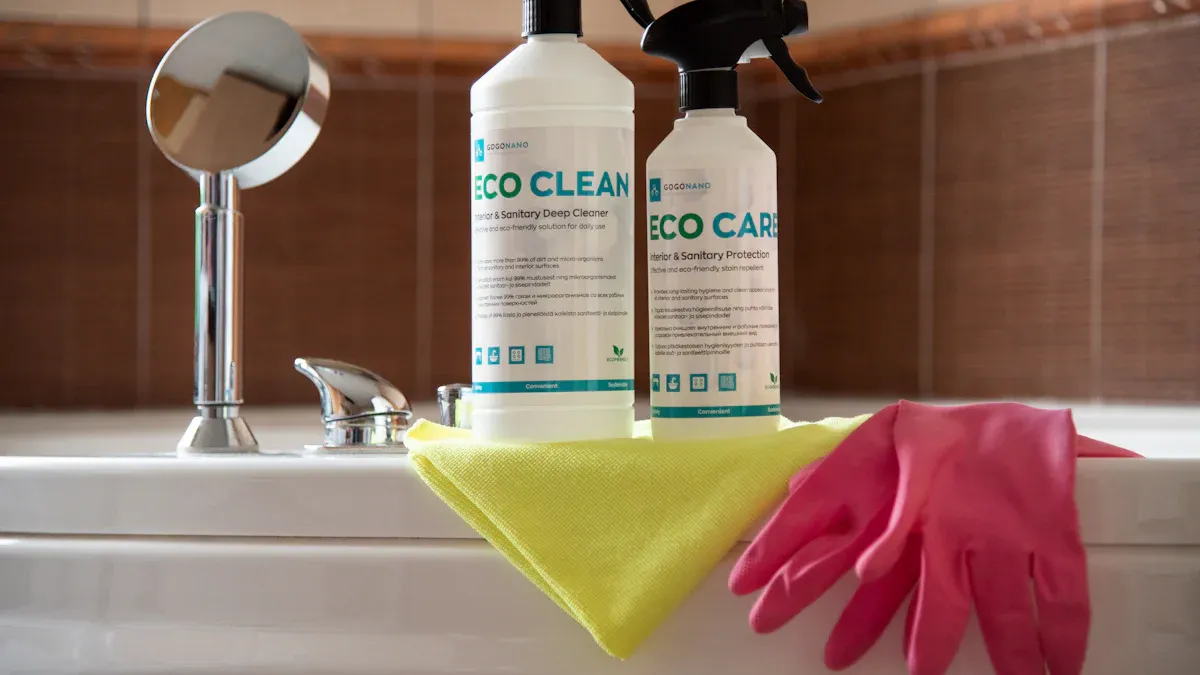
Making your own cleaners at home is a fantastic way to embrace eco-friendly cleaning solutions. Not only do you save money, but you also control what goes into your cleaning products. Homemade cleaners often use simple ingredients that you probably already have in your kitchen.
Here’s a quick comparison of homemade versus store-bought cleaners:
Category | Homemade Cleaners | Store-Bought Cleaners |
|---|---|---|
Cost | Lower | Higher |
Environmental Impact | Smaller | Larger |
Effectiveness (Disinfecting) | Comparable | Comparable |
Effectiveness (All-Purpose) | Superior | Inferior |
Effectiveness (Shiner) | Inferior | Superior |
As you can see, homemade cleaners can be just as effective, if not more so, than their commercial counterparts. Plus, they often come with a smaller environmental footprint.
Natural Ingredients
Using natural ingredients in your cleaning routine is a game-changer. Ingredients like vinegar, baking soda, and lemon juice are not only effective but also non-toxic solutions that are safe for your family and pets. Here’s a quick look at some common natural ingredients and their cleaning properties:
Ingredient | Cleaning Properties |
|---|---|
Vinegar | Cuts through grease, removes mineral deposits, biodegradable, non-toxic. |
Baking Soda | Removes stubborn stains, deodorizes, mild abrasive for scrubbing. |
Lemon | Acts as a natural disinfectant, antibacterial, neutralizes odors, polishes metal surfaces. |
Essential Oils | Disinfects surfaces, freshens laundry, eliminates odors, boosts dishwashing liquid, enhances window cleaner. |
Switching to these natural materials helps improve indoor air quality. Unlike synthetic cleaners, natural products don’t release harmful chemicals into your home. In fact, using non-toxic solutions can significantly lower the introduction of pollutants, making your living space healthier.
Here are some environmental benefits of using biodegradable and non-toxic ingredients:
They help curb water pollution since they are free from hazardous chemicals.
Biodegradable materials decompose faster than traditional plastics, reducing landfill waste.
Many brands use renewable resources for packaging, which cuts down on fossil fuel reliance.
By choosing eco-friendly cleaning solutions, you contribute to a healthier planet for future generations.
Nontoxic Cleaning Products
Effective Brands
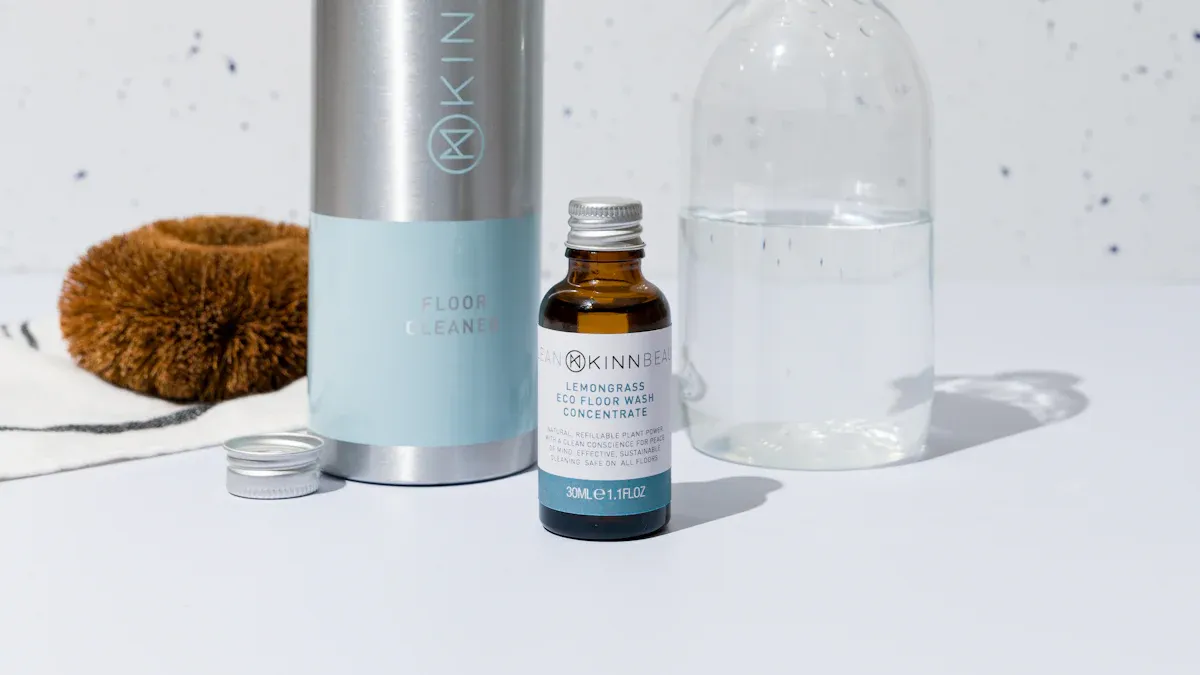
When you decide to switch to nontoxic cleaning products, you’ll find several brands that stand out for their commitment to safety and effectiveness. Here are some popular options you might consider:
Seventh Generation: Known for its plant-based ingredients, this brand offers a wide range of cleaning products that are effective and eco-friendly.
Method: This brand combines stylish packaging with non-toxic formulas, making cleaning both fun and safe.
Mrs. Meyer’s Clean Day: With delightful scents and natural ingredients, Mrs. Meyer’s products are a favorite for many households.
Ecover: This brand focuses on biodegradable ingredients and sustainable packaging, ensuring a minimal environmental impact.
These brands often hold certifications that guarantee their products are safer for you and the environment. Here’s a quick look at some of the certifications you should look for:
Certification | Description |
|---|---|
Green Seal | Confirms products are safer for people and less harmful to the environment. |
EPA Safer Choice | Identifies products that are safer for human health and the environment. |
ECOLOGO | Certifies products that meet rigorous environmental standards. |
Leaping Bunny | Certifies products as cruelty-free, ensuring no animal testing is involved in their production. |
Cost-Effectiveness
You might wonder if nontoxic cleaning products are worth the investment. The truth is, they can save you money in the long run. While the upfront cost may be slightly higher, the benefits outweigh the expenses. Here’s a comparison of costs between traditional chemical cleaners and natural alternatives:
Type of Cleaner | Annual Cost | Hidden Costs | Total Annual Cost |
|---|---|---|---|
Chemical Cleaners | $9,600 | $6,000-16,000 | $15,600-25,600 |
Natural Cleaners | $10,920 | $0 | $8,650-10,920 |
As you can see, while natural cleaners might have a higher annual cost, they don’t come with hidden costs associated with health issues. Conventional cleaning products often contain harsh chemicals linked to serious health risks, such as hormone disruption and respiratory problems. By choosing nontoxic options, you reduce the risk of allergic reactions and skin irritations, creating a safer home environment.
Switching to nontoxic cleaning products not only benefits your health but also helps you save money over time. Many families report saving up to 70% on their monthly cleaning expenses by opting for homemade or nontoxic cleaning products. In the first year alone, households can save between 15-25% on total cleaning costs, despite slightly higher hourly rates for green services.
By making the switch, you’re not just cleaning your home; you’re investing in a healthier future for yourself and the planet.
Green Cleaning Practices
Reducing Waste
You can make a significant impact on the environment by adopting zero waste cleaning methods. Here are some effective strategies to help you reduce waste in your cleaning routine:
Sustainable Practices: Use methods that minimize water and energy waste. For example, try to clean surfaces with a damp cloth instead of using excessive water.
Reduce Single-Use Plastics: Opt for products with recyclable packaging. Invest in reusable cleaning tools like microfiber mops and washable sponges.
Recycling Policies: Implement clear recycling policies at home. Set up bins for proper disposal of cleaning product packaging.
Waste Reduction Goals: Aim to cut down on paper towel usage. Instead, use cloth rags that you can wash and reuse.
By following these practices, you not only clean your home but also contribute to a healthier planet.
Energy-Efficient Methods
You can also save energy while cleaning. Here are some energy-efficient methods to consider:
Sweep and Dust Regularly: This prevents dirt buildup, reducing the need for heavy vacuuming.
Use Microfiber Cloths: These cloths trap dust and bacteria effectively, requiring fewer cleaning passes.
Bucket Mopping: Instead of electric mops, use a traditional mop with warm water and a small amount of detergent.
Choose Eco-Friendly Products: Concentrated and multi-purpose cleaning products reduce energy used in production and disposal.
Natural Drying: Air-drying your laundry cuts down on energy use and extends the lifespan of your clothes.
By adopting these energy-efficient methods, you can lower your energy consumption and make your cleaning routine more sustainable.
Switching to eco-friendly cleaning solutions is a simple yet powerful way to enhance your home and protect the planet. By choosing green cleaning products, you significantly reduce harmful chemical exposure, which leads to better health outcomes for you and your loved ones. These products improve indoor air quality, making your home safer for children and pets.
You can also contribute to a healthier environment by minimizing chemical runoff and waste. So, why not take the leap? Embrace eco-friendly cleaning solutions today and enjoy a cleaner, greener home! 🌱✨
FAQ
What are eco-friendly cleaning solutions?
Eco-friendly cleaning solutions use natural ingredients that are safe for your health and the environment. They reduce harmful chemicals and promote sustainability, making them a great choice for green cleaning.
Are homemade cleaners effective?
Yes! Homemade cleaners can be just as effective as store-bought options. Ingredients like vinegar and baking soda work well for various cleaning tasks, making them ideal for your green cleaning routine.
How can I reduce plastic waste while cleaning?
You can reduce plastic waste by using reusable cleaning tools, such as microfiber cloths and refillable spray bottles. Opt for products with minimal packaging to support your green cleaning efforts.
Are nontoxic cleaning products safe for pets?
Absolutely! Nontoxic cleaning products are generally safe for pets. Always check labels for specific safety information, but most green cleaning solutions avoid harmful chemicals that could harm your furry friends.
How can I make my cleaning routine more sustainable?
To make your cleaning routine more sustainable, focus on using eco-friendly products, reducing waste, and conserving energy. Simple changes can significantly impact your green cleaning practices.


