

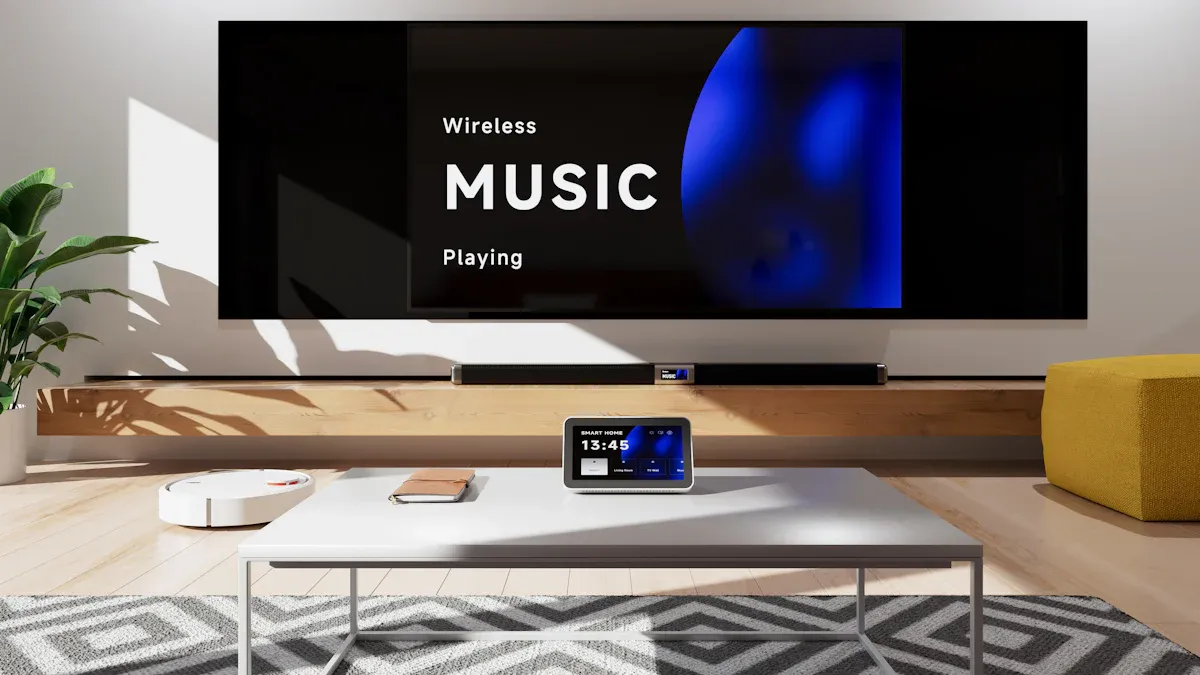
Smart home technology has become a game changer for many households. Did you know that around 50% of homes in the United States own at least one smart device? This technology brings convenience to your fingertips, allowing you to control your home appliances effortlessly. With the rise of voice assistants like Alexa and Google Assistant, managing your devices has never been easier. You can adjust your lights, thermostat, and even appliances with just your voice. As smart home technology continues to grow, it’s clear that it’s reshaping how we live.
Key Takeaways
Smart home technology enhances convenience by allowing you to control appliances with your voice or smartphone.
Using smart plugs can turn regular appliances into smart devices, enabling remote control and scheduling.
Smart thermostats learn your habits, optimizing energy use and providing comfort while saving on utility bills.
Integrating smart devices improves home security, allowing real-time monitoring and remote access to locks and cameras.
A stable Wi-Fi connection is essential for smart devices to function properly, so ensure your network is optimized.
Smart Devices for Home Control
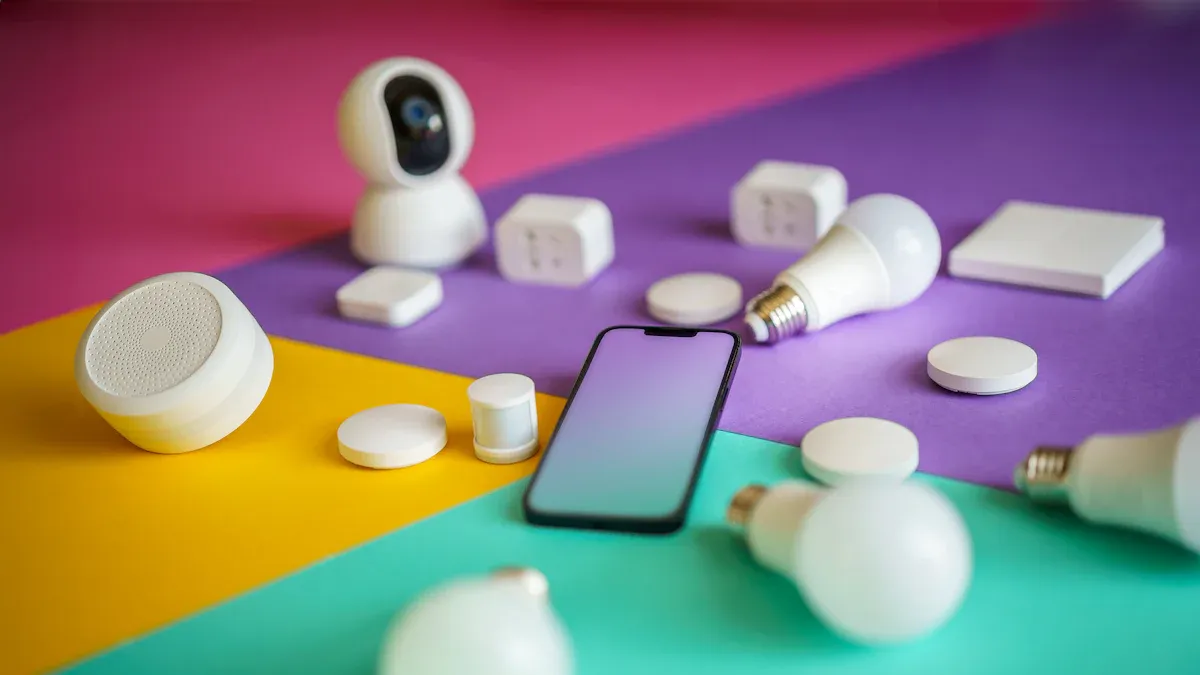
When it comes to controlling your home appliances, smart devices are your best friends. They offer convenience and efficiency, making your life easier. Let’s dive into some popular smart devices you can use.
Smart Plugs
Smart plugs are a fantastic way to upgrade your existing appliances. With these devices, you can turn any standard appliance into a smart one. You can control them remotely using your smartphone or set schedules for when they should turn on or off.
Here’s a quick comparison of smart plugs and traditional plugs:
Feature | Smart Plugs | Traditional Plugs |
|---|---|---|
Remote Control | Yes, allows turning off devices remotely | No |
Automation and Scheduling | Yes, can create schedules for device usage | No |
Energy Monitoring | Yes, tracks energy usage | No |
Smart Thermostats
Smart thermostats take home comfort to the next level. They learn your habits and adjust the temperature accordingly. You can control them from anywhere using your smartphone. Here are some key features:
Remote Control: Adjust your thermostat from anywhere.
Learning Capabilities: Automatically adjusts based on your schedule.
Geofencing: Optimizes energy use when you’re away.
Smart Lights
Smart lights not only brighten your home but also save energy. They can be controlled via your smartphone or voice commands. In fact, LED smart lights can save you up to 50% on energy costs compared to traditional bulbs. Here’s a quick look at their efficiency:
Lighting Type | Energy Efficiency | Energy Savings Potential |
|---|---|---|
Incandescent Bulbs | 10% visible light | N/A |
Fluorescent Bulbs | 25-35% energy use | N/A |
LED Smart Lights | 80% visible light | 40-50% |
Smart Appliances
Smart appliances are revolutionizing how you manage your home. From refrigerators that track your groceries to ovens that you can preheat remotely, these devices make daily tasks simpler. Here are some common smart appliances:
Smart Refrigerators: Track inventory and allow remote viewing.
Smart Dishwashers: Optimize water usage and provide alerts.
Smart Washers & Dryers: Control cycles via mobile devices.
With voice assistants like Alexa and Google Assistant, you can control all these smart devices hands-free. Just say, “Alexa, turn on the living room lights,” and watch your home respond!
Setting Up Smart Home Integration
Integrating smart devices into your home can seem daunting, but it’s easier than you might think. Let’s break down the process into manageable steps.
Choosing Devices
When selecting smart devices for your home, consider several important criteria. Here’s a handy table to guide you:
Criteria | Description |
|---|---|
Direct Integration | Choose devices that prioritize dedicated integrations for each brand and model to ensure reliable solutions and enhanced functionality. |
Reliability | Look for devices that offer stable IoT solutions, minimizing downtime and ensuring consistent performance. |
Customer Support | Assess the customer support services available, including responsiveness and availability, to ensure timely assistance in case of technical issues. |
Expertise | Ensure the manufacturer has expertise in both hardware and software, guiding you in selecting the right devices. |
Scalability | Consider whether the devices can scale to meet your current and future needs, accommodating growth and integrating with existing systems. |
Interoperability | Look for devices that can seamlessly integrate with your existing smart systems, ensuring compatibility with older technologies and readiness for future advancements. |
Installation Steps
Once you’ve chosen your devices, it’s time to install them. Here’s a simple step-by-step guide to help you set up your smart home:
Step | Retrofit (Existing Home) |
|---|---|
1 | Set up a smart hub & voice assistant. |
2 | Install smart plugs & outlets. |
3 | Add smart lighting. |
4 | Install a smart thermostat. |
5 | Set up smart security & locks. |
6 | Ensure your electrical & network infrastructure is ready. |
7 | Integrate smart appliances. |
8 | Create automations & smart routines. |
Following these steps will help you create a seamless smart home integration.
Wi-Fi Connection
A stable Wi-Fi connection is crucial for your smart devices to function properly. However, many users face challenges during setup. Here’s a table highlighting common issues:
Challenge Description | Percentage of Users Affected |
|---|---|
Invalid/Special Characters in SSID | 56% |
Connection to Congested Channels | 53% |
Problematic Router Settings | 42% |
Devices That Are Too Far | 40% |
5.8GHz/Merged Network Issues | 36% |
To avoid these pitfalls, ensure your Wi-Fi network is optimized. Keep your router updated and place it in a central location to minimize dead zones.
Apps like SmartThings and Home Connect can significantly simplify your smart home integration. They allow you to control appliances directly, create personalized automations, and receive real-time notifications about appliance status. This centralized control system makes managing your smart devices a breeze.
By following these steps and utilizing the right tools, you’ll be well on your way to automating home routines and enjoying the benefits of a smart home.
Control Your Home Appliances Remotely
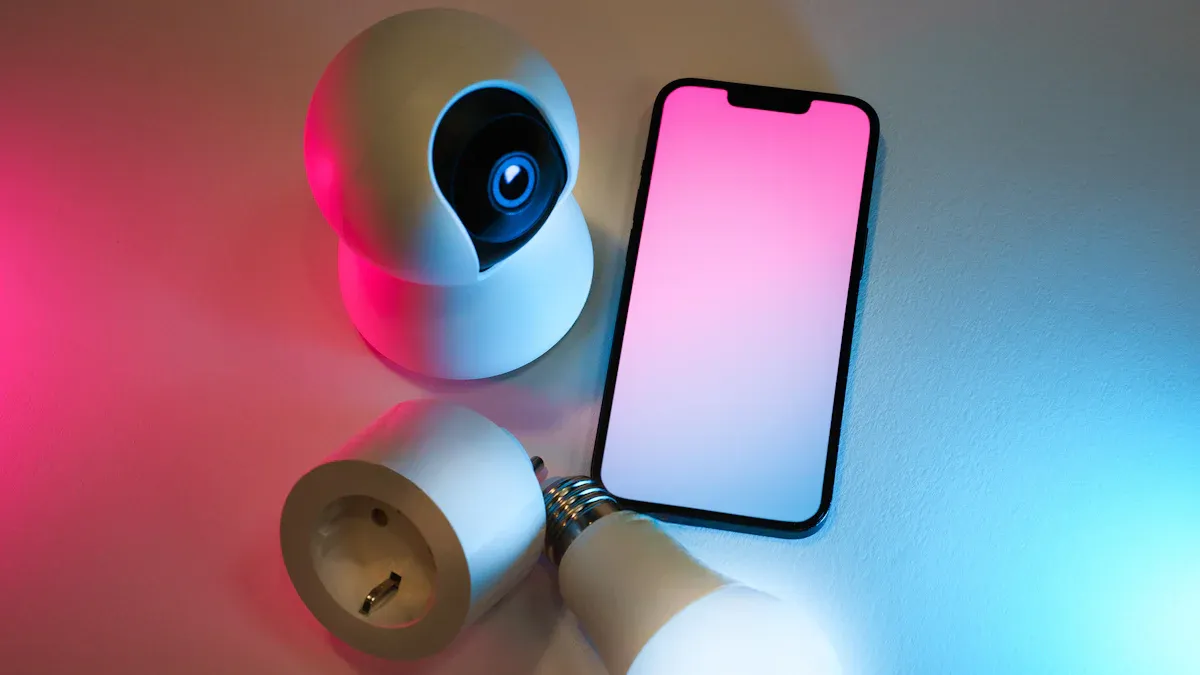
When you think about controlling your home appliances from anywhere, smart hubs play a crucial role. These devices connect all your smart gadgets, allowing you to manage them through a single app. Here’s a quick look at what smart hubs can do for you:
Functionality | Description |
|---|---|
Device Compatibility | Supports various protocols like Z-Wave, ZigBee, UPB, and Wi-Fi for connecting different devices. |
Access Methods | Allows remote access via smartphone and computer, ensuring control from anywhere. |
Automation Capabilities | Enables automation of devices based on specific criteria, with varying complexity based on the hub. |
Voice Control Features | Integrates with virtual assistants like Amazon Alexa and Google Assistant for hands-free control. |
Local vs. Cloud Communication | Some hubs operate on a local network, maintaining functionality even without internet access. |
Additional Features | Unique features that may influence the choice of a specific hub. |
With a smart hub, you can easily control your home appliances, whether you’re at work or on vacation. Imagine adjusting your thermostat or turning off the lights without being physically present. It’s all about convenience!
Now, let’s talk about voice control options. Using voice commands to manage your appliances makes life even easier. Here are some benefits of voice control:
You can manage appliances hands-free, like turning on lights when your hands are full.
It’s accessible for individuals with mobility challenges, allowing easy control with voice commands.
Voice control helps you manage energy use efficiently, leading to potential cost savings.
You can integrate voice control with security features, enhancing your home’s safety.
Adjustments to home settings, like motorized blinds or alarms, become simple and quick.
With smart home technology, you can control your home appliances effortlessly. Whether you’re using a smart home hub or voice control, the possibilities are endless!
Benefits of Smart Home Technology
Smart home technology offers a range of benefits that can transform your living experience. Let’s explore how it enhances your convenience, saves energy, and improves security.
Convenience and Comfort
Imagine controlling your home with just your voice or a tap on your smartphone. Smart home technology makes this possible, providing you with unmatched convenience. Here are some ways it enhances your daily life:
Energy Management: Smart homes connect different systems, leading to improved efficiency and comfort.
Remote Monitoring: You can keep an eye on your property and loved ones from afar, giving you peace of mind.
Personalized Control: Adjust lighting, temperature, and window shades to match your preferences, making daily routines seamless.
Enhanced Security: Connected motion sensors, cameras, and automated locks increase safety when you’re away.
Automatic Adjustments: Smart systems can modify your environment, enhancing comfort during activities like morning routines or movie nights.
With these features, you can enjoy a more comfortable and convenient lifestyle.
Energy Savings
One of the most significant advantages of smart home technology is its ability to save energy. By optimizing how you use energy, you can lower your utility bills and reduce your carbon footprint. Here’s how different smart devices contribute to energy savings:
Device Type | Contribution to Energy Savings |
|---|---|
Smart Home Energy Management | Simplifies energy consumption through scheduling and usage pattern suggestions. |
Smart Thermostats | Automatically adjusts heating and cooling based on occupancy, reducing unnecessary energy use. |
Smart Lighting | Can be controlled remotely or scheduled to minimize energy waste by ensuring lights are off when not needed. |
Smart Appliances | Use less energy and offer functionalities that enhance convenience and efficiency, contributing to overall savings. |
Experts predict that more households will adopt smart home technology, with many buyers prioritizing energy efficiency to lower their electricity and heating costs. By integrating smart devices, you can significantly impact your overall household energy consumption:
Smart lighting can turn off in unoccupied rooms, reducing unnecessary energy use.
Smart thermostats adjust temperatures based on your schedule, preventing energy waste when the home is empty.
Smart plugs eliminate standby power drain by cutting off power when devices are not in use.
Smart hubs centralize control of various devices, enhancing overall energy management.
Improved Security
Smart home technology also plays a crucial role in enhancing your home security. With connected devices, you can monitor your property in real-time and respond to potential threats quickly. Here are some key benefits:
Real-Time Alerts: Receive notifications about unusual activity, allowing you to take action immediately.
Remote Access: Control locks and cameras from anywhere, ensuring you can secure your home even when you’re away.
Automated Security Systems: Set up routines that activate security measures when you leave home, providing peace of mind.
Integration with Other Devices: Smart security systems can work with other smart home devices, creating a comprehensive safety network.
By adopting smart home technology, you not only enhance your convenience and comfort but also contribute to energy savings and improved security. It’s a win-win for your lifestyle and your home.
Smart home technology offers you a world of convenience and control. By integrating devices like smart plugs, thermostats, and lights, you can enhance your home’s safety, comfort, and energy efficiency. Here are some key benefits to consider:
Safety: Boosts home security with smart cameras and doorbells.
Energy Efficiency: Cuts down on energy use through smart thermostats and lighting.
Cost Savings: Saves money on utility bills and prevents costly accidents.
Comfort: Provides advanced climate control and customizable ambiance.
Integration: Connects various devices for unified control.
Automation: Automates tasks based on your preferences.
Remote Access: Lets you control systems from anywhere via smartphone.
Voice Control: Enables hands-free operation of devices.
With about 42% of homeowners motivated by comfort and convenience, now is the perfect time to explore smart home options. Embrace the future and enjoy the benefits of smart technology in your home! 🌟
FAQ
What is a smart home?
A smart home uses technology to control devices like lights, thermostats, and appliances remotely. You can manage these devices through your smartphone or voice commands, making your life easier and more efficient.
How do I choose the right smart devices?
Consider compatibility, reliability, and customer support when selecting smart devices. Look for products that integrate well with your existing systems and offer features that meet your needs.
Can I control my smart devices when I’m away from home?
Yes! With smart home technology, you can control your devices remotely using your smartphone. This feature allows you to adjust settings, monitor your home, and ensure everything is secure, even when you’re not there.
Do I need a smart hub for my devices?
While not mandatory, a smart hub simplifies managing multiple devices. It connects various smart gadgets, allowing you to control them from a single app and enabling automation features.
Are smart home devices secure?
Most smart home devices come with security features, but it’s essential to keep your software updated and use strong passwords. This practice helps protect your devices from unauthorized access.
