

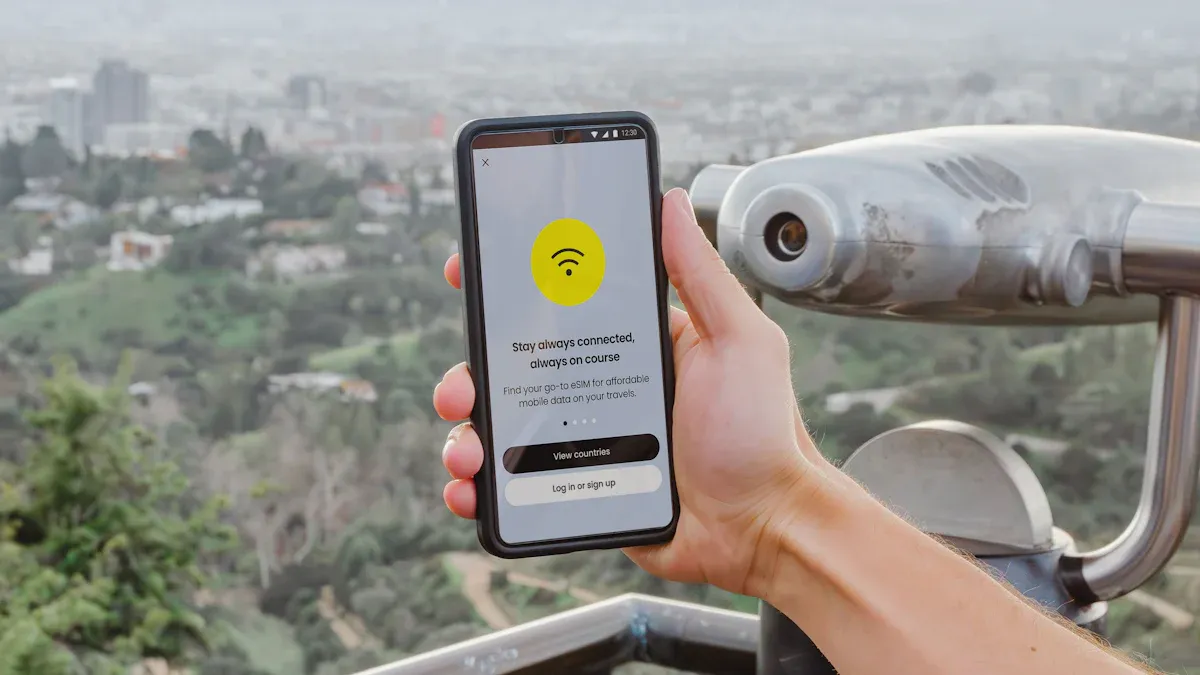
Imagine controlling your lights, thermostat, and security system all from your smartphone! Smart home technology offers incredible convenience and enhances your quality of life. Surprisingly, about 45% of American households own at least one smart device, proving that you don’t need a fortune to enjoy these benefits. Many affordable options exist, making it easy to start your journey into smart living without breaking the bank.
Key Takeaways
Start your smart home journey with affordable devices like smart bulbs and plugs. They offer convenience and energy savings without high costs.
Choose a user-friendly smart home controller to manage all your devices from one place. This simplifies automation and enhances your experience.
Consider DIY installation to save money, but know when to hire a professional for complex setups. Weigh the benefits to make the best choice for your needs.
Affordable Smart Home Devices
Transforming your home into a smart home doesn’t have to be expensive. Here are some budget-friendly smart devices that can enhance your living space without straining your wallet.
Smart Bulbs
Smart bulbs are one of the easiest and most affordable ways to start your smart home journey. These bulbs allow you to control your lighting from your smartphone or voice assistant. Imagine dimming the lights or changing colors without getting up!
Energy Efficiency: Smart bulbs can use 80-90% less energy than traditional incandescent bulbs. They are also more power-efficient than compact fluorescent lamps. With features like automation and scheduling, you can reduce energy waste by ensuring lights turn off when not in use.
Customization: You can set different moods for various occasions. Whether it’s a cozy movie night or a bright morning, smart bulbs can adapt to your needs.
Smart Plugs
Smart plugs are another fantastic addition to your smart home setup. They turn any ordinary device into a smart device, allowing you to control it remotely.
Product Name | Price | Compatibility | Key Features |
|---|---|---|---|
Kasa Smart Plug Mini | $17 | Google Assistant, Amazon Alexa | Reliable connection, user-friendly app, scheduling, customizations, small size |
Amazon Smart Plug | $25 | Amazon Alexa only | Intuitive app, convenient scheduling, energy dashboard, easy setup |
Kasa Smart Power Strip | $24 | Google Assistant, Amazon Alexa | Multiple outlets, compatible with smart assistants, energy-saving features |
Energy Savings: Smart plugs help minimize standby power by turning off devices that aren’t in use. This prevents unnecessary energy consumption and contributes to overall savings.
Convenience: You can schedule devices to turn on or off at specific times, making it easier to manage your energy usage.
Smart Thermostats
Smart thermostats are a game-changer for home automation. They learn your habits and adjust the temperature accordingly, ensuring comfort while saving energy.
Cost-Effective: Entry-level smart thermostats start at just over $50. You can expect energy savings of 8-15% after installation, which translates to about $50 to $200 annually on your utility bills.
User-Friendly: Many models come with intuitive apps that allow you to control your home’s temperature from anywhere. This means you can adjust the heat or air conditioning while you’re away, ensuring your home is always at the perfect temperature when you return.
By incorporating these affordable smart home devices, you can modernize your home and enjoy the convenience of home automation without overspending.
Start Your Smart Home with a Controller
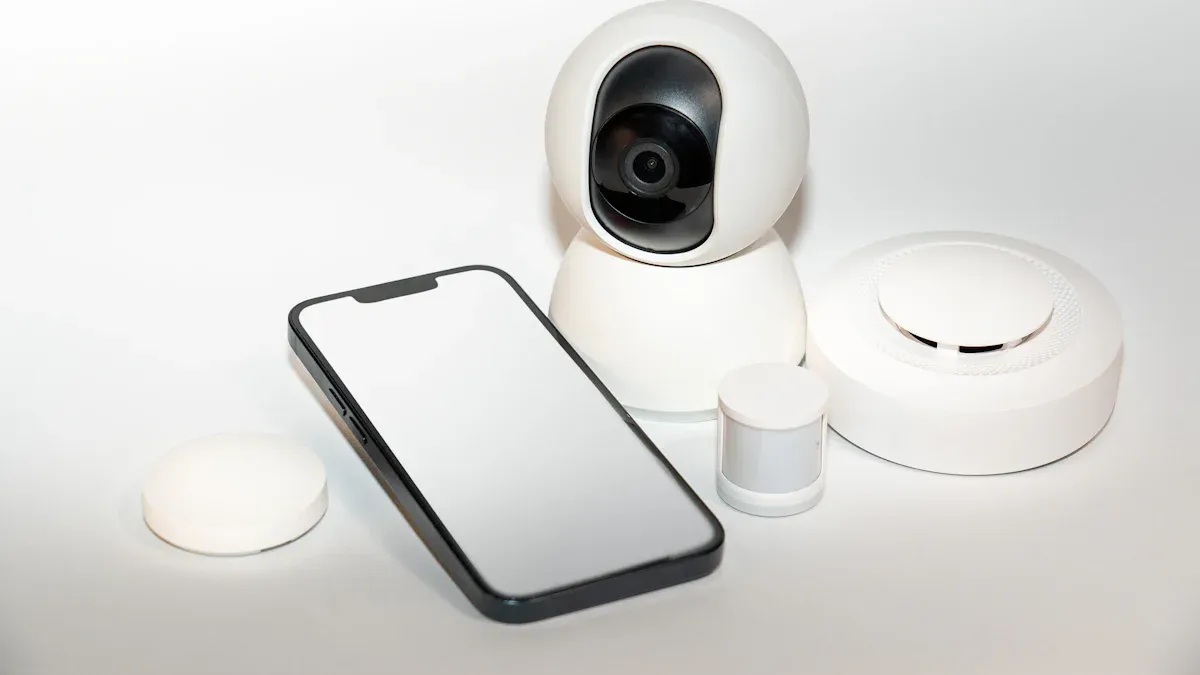
When you decide to modernize your home, a smart home controller becomes essential. This device acts as the brain of your smart home, allowing you to manage all your smart devices from one central point. With the right controller, you can enjoy the convenience of home automation without the hassle of juggling multiple apps.
Compatibility
Choosing a smart home controller that works well with your devices is crucial. You want to ensure that it supports a wide range of products, especially if you plan to expand your setup later. Here are some popular controllers known for their compatibility:
Smart Home Controller | Compatibility | Supported Protocols |
|---|---|---|
Wink 2 | Amazon Alexa, Nest, Philips Hue, Schlage, Ring, etc. | Bluetooth LE, ZigBee, Z-Wave, most smart home protocols |
SmartThings | Google Home, Amazon Alexa, Nest, Philips Hue, Schlage, etc. | Z-Wave, ZigBee, most smart home protocols |
Amazon Alexa and Google Home are excellent choices for beginners. They offer extensive compatibility with affordable smart devices from brands like Wyze, TP-Link Kasa, and Govee. These platforms frequently update their features and device integrations, making them a smart choice for your budget-friendly smart home.
However, you might face some compatibility challenges. Here are a few common issues:
Documentation and Community Resources: Utilize thorough documentation and community forums to resolve common issues.
Configuration and Customization: Adjusting settings is often necessary for successful device integration.
Patience and Persistence: Systematic troubleshooting is essential when facing compatibility challenges.
Remember, the backbone of smart home communication lies in various protocols like Zigbee, Z-Wave, and Wi-Fi. Not all devices support the same standards, which can lead to complications.
User-Friendly Options
For a smooth start, look for controllers that are easy to use. Smart speakers like the Amazon Echo and Google Nest serve as excellent central controllers for your smart home. They allow you to control devices with simple voice commands, making automation feel effortless.
Here are some features that make a smart home controller user-friendly:
Feature | Description |
|---|---|
Easy installation | Clear instructions and user-friendly design make setup straightforward. |
Remote control capability | Manage your devices via a dedicated app for added convenience. |
Scheduling and timers | Automate lights and appliances, improving efficiency and saving energy. |
Voice control integration | Compatibility with voice assistants allows for hands-free use. |
Energy monitoring | Provides real-time feedback on energy usage, helping you track and reduce consumption. |
Compatibility | Ensures seamless integration with existing smart home devices for an expandable system. |
By starting your smart home with a compatible and user-friendly controller, you set the stage for a seamless automation experience. This approach not only enhances your convenience but also keeps your budget in check.
DIY vs. Professional Installation
When it comes to setting up your smart home, you have two main options: doing it yourself (DIY) or hiring a professional. Each choice has its pros and cons, so let’s break them down.
Benefits of DIY
Choosing to install your smart devices yourself can be a rewarding experience. Here are some advantages:
Advantage | Description |
|---|---|
Cost Savings | DIY installation eliminates professional fees, leading to significant savings. |
Flexibility | You control the schedule and can take breaks as needed. |
Personal Satisfaction | Completing a DIY project provides a sense of pride and accomplishment. |
You can save several hundred to thousands of dollars by opting for DIY. The cost savings depend on how complex your installation is. In fact, professional installation can cost almost twice as much due to higher overhead costs.
When to Hire a Pro
While DIY can be great, there are times when hiring a professional makes sense. Consider these situations:
Complex Spaces: If your home has multiple stories or unique layouts, a pro can ensure optimal device placement.
Diverse Devices: Merging various brands and technologies can be tricky. An expert can create a cohesive network.
Advanced Security Needs: Protecting your network from cyber threats is crucial. Professionals can help fortify your defenses.
Complex Installations: If a device requires extensive wiring or integration with existing systems, hiring an expert is wise.
In some cases, the complexity of the installation may require professional help. For example, setting up a smart security system involves multiple components that can be challenging to configure.
By weighing the benefits of DIY against the need for professional help, you can make an informed decision that suits your budget and needs.
Turning your home into a smart home can be both fun and affordable. Start small by adding one or two devices, like smart bulbs or plugs. This approach helps you:
Invest in a flexible and scalable system
Gain immediate energy savings
Enjoy enhanced comfort and security
Smart home technology is becoming more accessible. With user-friendly options and budget-friendly devices, you can create a setup that fits your lifestyle. So, take your time, explore affordable alternatives, and enjoy the journey!
