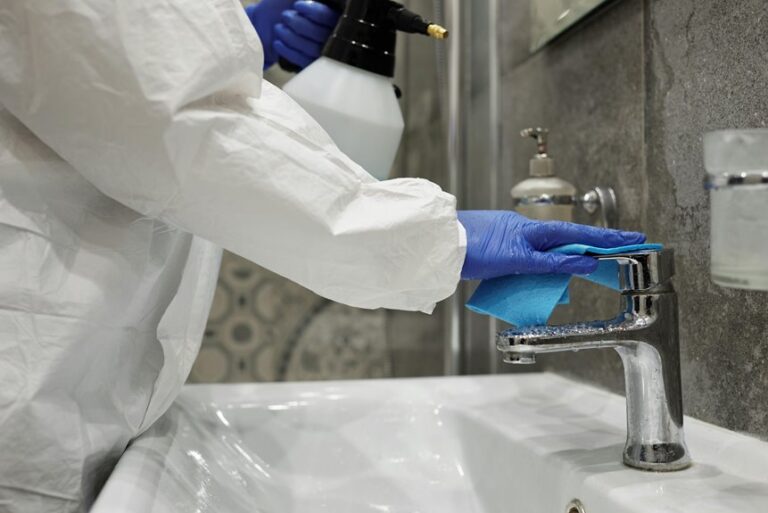

You can use muriatic acid to break down some organic buildup, hair, soap scum, and mineral scale, but it’s a risky last resort. It can corrode metal pipes, damage seals, and release dangerous fumes if you mix it with bleach or ammonia. If you’re dealing with an old drain, multiple slow fixtures, or repeated clogs, the safer question may be whether the pipe can handle it at all.
Can Muriatic Acid Unclog a Drain?
Yes—muriatic acid can unclog a drain in some cases because it dissolves organic buildup, mineral deposits, and certain grease blockages, so it may work when plungers, snakes, and other cleaners fail.
But you shouldn’t treat it like a routine fix. You’re handling a corrosive chemical that can damage pipes, and many communities have legal restrictions on household acid use or disposal. If you’re comparing home remedies, this one belongs near the last option, not the first.
Wear full protection, ventilate the area, and never mix it with bleach or other cleaners.
If you’re unsure about pipe material, age, or local codes, call a plumber. You’ll protect your home, your household, and yourself.
What Muriatic Acid Does in a Drain
Muriatic acid breaks down the material clogging a drain by attacking organic residue, mineral scale, and some grease deposits, which can make it work fast on stubborn blockages. You’re relying on strong acid action, so it lowers pH and speeds organic dissolution inside the pipe. That reaction can loosen hair, soap film, rust, and hard-water buildup, helping water move again when ordinary cleaners fail.
You should remember that the acid doesn’t “push” the clog; it chemically eats away at the debris until flow opens. For your safety and the safety of your household, treat it as a specialized chemical, not a routine fix. If you’re in a group that handles home maintenance carefully, keep the drain ventilated and follow product directions closely.
Why Muriatic Acid Can Damage Plumbing
Muriatic acid can corrode metal and weaken many plastic pipes, especially if you use it more than once or leave it sitting too long.
It can also attack seals, gaskets, and joint materials, which can lead to leaks after the clog clears.
Even if it works fast, you’re trading a temporary fix for possible long-term plumbing damage.
Pipe Corrosion Risks
Because muriatic acid is a diluted form of hydrochloric acid, it doesn’t just attack the clog—it can also attack the pipe itself. If you use it in metal plumbing, you can trigger metal leaching, which weakens the pipe wall and contaminates the water path.
Over time, repeated exposure can cause pipe thinning, making the line more vulnerable to leaks and bursts. Even a single treatment can roughen the inner surface and speed future buildup.
You’re safer when you treat your plumbing like a shared system: one harsh chemical can shorten its service life for everyone in the house. If your drain keeps backing up, use a mechanical method or call a plumber instead of relying on acid to do the job.
Seal And Joint Damage
Even if the clog breaks loose, muriatic acid can still damage the seals and joints that keep your plumbing watertight. When you pour it in, you expose rubber gaskets, thread sealant, and solvent-welded connections to harsh chemistry that speeds seal degradation and joint loosening. That means small leaks can start after the drain clears.
| Part | Risk |
|---|---|
| Rubber washer | Swelling |
| O-ring | Cracking |
| Pipe joint | Loosening |
| Thread sealant | Breakdown |
| Hidden seam | Leak path |
You might not notice the harm right away, but repeated use weakens connections and invites water damage inside walls or cabinets. If you want your system to stay dependable, choose mechanical clearing first and protect the crew of fixtures you rely on.
When Muriatic Acid Becomes a Bigger Risk
You also face toxic fumes that can irritate your eyes, skin, and lungs, so poor ventilation makes the hazard worse.
If you mix it with bleach or other cleaners, you can trigger dangerous chemical reactions, including chlorine gas.
Pipe Corrosion Risks
Although muriatic acid can break down stubborn drain buildup quickly, it also introduces a serious corrosion risk that often outweighs the short-term benefit. You can protect pipe integrity only if you understand how fast acid attacks metal, joints, and aging plastic. Before you choose it, compare the line material and history of leaks; corrosion testing helps you spot weak points early.
| Pipe type | Risk level | Action |
|---|---|---|
| Cast iron | High | Avoid acid |
| Copper | High | Use mechanical clearing |
| PVC | Moderate | Verify compatibility |
If you belong to a DIY-minded group, keep the goal simple: clear the clog without sacrificing the plumbing system. Acid may seem efficient, but repeated use thins walls, loosens seals, and turns a minor blockage into a costly repair.
Toxic Fume Dangers
When muriatic acid is used in a drain, the fumes can become as dangerous as the clog itself, so you need to treat ventilation and personal protection as nonnegotiable.
You’re dealing with toxic fumes that can irritate your eyes, throat, and lungs fast, especially in tight spaces. To stay safer with the rest of us who handle repairs carefully, follow these basics:
- Open windows and run exhaust fans
- Wear goggles and acid-resistant gloves
- Keep your face away from the drain
- Leave the area if breathing feels hard
- Get fresh air immediately after any acute exposure
Even brief contact can overwhelm you, so don’t assume you’ll “tough it out.” If the air turns harsh, stop and step back.
Chemical Reaction Hazards
If you mix muriatic acid with the wrong residues or cleaners, the drain can turn into a chemical hazard fast.
You may trigger gas evolution when acid hits bleach, ammonia, or unknown drain products, and that can fill the space with toxic vapors in seconds.
You also risk acid splatter if the reaction foams or surges back up the pipe.
Treat every clog like a possible chemical mix: stop, ventilate, and identify what’s already in the line before you pour anything.
Wear eye protection, gloves, and long sleeves, but know PPE won’t stop a bad reaction.
If you’re unsure what’s in the drain, don’t gamble with it—your household’s safety matters more than a quick fix.
Safer Ways to Unclog a Drain
Safer drain clearing starts with mechanical methods: use a plunger to break the blockage, then work a drain snake or auger through the line to pull out debris. You’ll protect your pipes and avoid harsh exposure.
If the drain moves slowly, try hot water only on metal-safe lines, then follow with enzyme cleaners for routine maintenance. These mechanical methods fit the safest first response, and they help your household stay on the same page about prevention.
- Plunge with a tight seal
- Snake until you feel resistance
- Remove debris, then test flow
- Use enzyme cleaners for buildup
- Call a plumber for recurring clogs
If You Must Use Muriatic Acid
Though it’s strongly discouraged for household use, muriatic acid can dissolve organic buildup, mineral scale, and some grease clogs quickly.
If you must use it, treat it like a hazardous lab chemical, not a routine cleaner. Wear protective gear: acid-resistant gloves, goggles, long sleeves, and a NIOSH-approved mask. Ventilate the area, keep children and pets away, and never mix it with bleach or other cleaners.
Add only a small, diluted amount to the drain, then flush thoroughly with plenty of water.
Work slowly and stay prepared with an emergency plan for splashes, fumes, or spills. Keep baking soda and water nearby for neutralizing minor residue, and stop immediately if you feel eye, skin, or breathing irritation.
When to Call a Plumber
Call a plumber when the clog keeps coming back, water backs up in more than one drain, or you suspect a deeper blockage in the main line. You’re not dealing with a simple sink issue anymore; you may have hidden leaks, vent problems, or a damaged pipe that acid won’t fix.
A licensed pro can inspect with cameras, clear the line safely, and protect you from warranty issues caused by corrosive chemicals.
- Backups spread to tubs, toilets, or floor drains
- You smell sewage or see slow drainage everywhere
- Plungers and snakes don’t restore flow
- You notice wet spots, stains, or settling
- Your home has old, metal, or fragile pipes
Getting help early keeps your system safer and your household in control.
Frequently Asked Questions
How Do I Know if My Drain Clog Is From Minerals or Grease?
If you notice chalky crusts, white flakes, or hardening that narrows the pipe, the clog is likely mineral buildup. If the drain gives off a rancid odor, feels slick to the touch, or catches dark, greasy sludge, the clog is likely from grease residue.
What Should I Do if Muriatic Acid Splashes on My Skin?
Immediately flush the affected area with a steady stream of cool running water for at least 15 minutes. While rinsing, carefully remove any contaminated clothing and jewelry to prevent further exposure. If the acid contacts the eye, use an emergency eyewash or continuous water flow for at least 15 minutes and keep the eyelids open. Do not apply household neutralizers or creams to the burned skin. After thorough irrigation, seek medical evaluation and treatment if you notice blistering, severe pain, persistent redness, numbness, or any signs of a chemical burn.
Can Muriatic Acid Be Used in Septic Systems?
No. Muriatic acid will harm the beneficial bacteria in a septic tank and can corrode pipes and tank components, increasing the risk of system failure. For clogs or odors, use mechanical methods such as snaking or hydro-jetting, or biological enzyme or bacterial treatments formulated for septic systems. If the problem persists or you are unsure which option to use, contact a licensed septic professional for inspection and repair.
How Long Should I Wait Before Using the Sink Again?
Wait 15 to 30 minutes, then flush the sink thoroughly with plenty of water. Keep the area well ventilated the entire time, and do not use the sink until fumes have dissipated and the drain flows freely.
What Signs Mean the Pipe Has Already Been Damaged?
Leaks, visible stains or discoloration on walls or ceilings, persistent foul odors from drains, slow or backed-up drainage, or pipes that appear swollen or misshapen. Inspect joints for cracks and fittings for corrosion. If you notice any of these signs, stop using the affected line and contact a professional plumber.