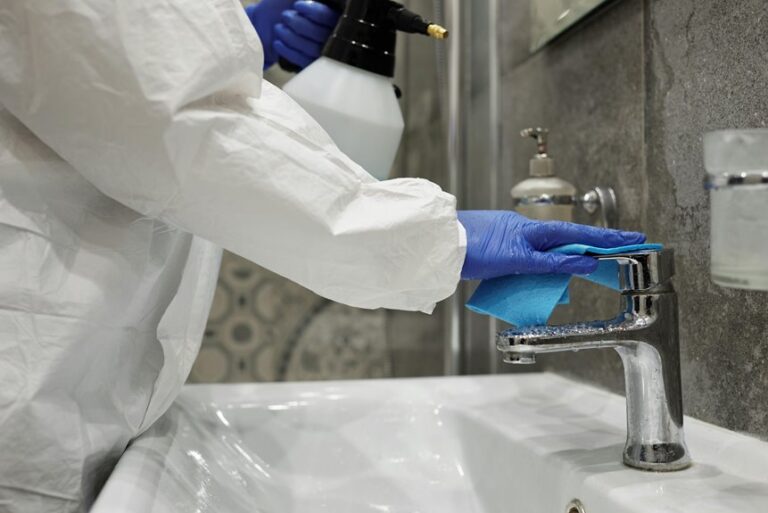

Clean auto glass starts with the right cleaner, the right towels, and a little patience. A tint-safe spray, shade, and a two-cloth method help stop streaks before they start. The inside of the glass often holds the worst film, so that area needs extra attention. Finish with a dry microfiber buff, and your windows can look clear, sharp, and road-trip ready.
Choose the Right Auto Glass Cleaner
Why does the right auto glass cleaner matter so much? Because you want your car to look cared for, and clear glass helps you feel proud every time you drive. The best choice lifts film, road grime, and haze without leaving behind residue that turns into streaks.
Start with ammonia free formulas, especially when your windows are tinted. Harsh products can damage film, dry out edges, and create a cloudy look no one wants.
Instead, choose tint safe cleaners made for automotive glass, not generic household sprays. They clean evenly, cut static, and help reduce dust sticking later.
When the glass is cool and out of direct sun, your cleaner works longer and wipes away more smoothly. A quality product makes the job easier, cleaner, and far more satisfying for everyone.
Use a Low-Lint Microfiber Glass Towel
Now that you’ve picked the right cleaner, don’t overlook the towel because it does just as much of the work. A dedicated glass towel with a lint free weave lifts haze instead of dragging it around. You’ll feel the difference right away because the right towel texture glides smoothly and leaves your glass looking like it belongs in a well-kept enthusiast circle.
| Towel feature | What you notice |
|---|---|
| Low-lint fibers | Clearer shine |
| Tight weave | Less residue |
| Smooth towel texture | Easier passes |
| Folded sections | Cleaner contact |
| Glass-only use | More consistent results |
As you wipe, keep rotating to a fresh side. That simple habit keeps trapped dust from coming back across the surface. Whenever you use the right towel, your results feel professional and proudly yours too.
Clean Glass in the Shade
A good glass towel works even better whenever you pair it with the right setting, and shade gives you that advantage right away. When you choose shade cleaning, you help your glass cleaner stay wet long enough to lift grime instead of flashing off in the sun.
That matters because hot glass makes even great products dry too fast, which leaves streaks and frustration behind. In a shaded workspace, the glass stays cooler, so you can spray directly, spread cleaner evenly, and wipe with more control.
If you want an extra edge, use slightly warm water, not hot, to help loosen film. You also make the job feel easier and more consistent, which is something every detail-minded driver appreciates. Working in shade puts you in the same smart routine trusted by people who care about clear, polished results.
Use Two Towels for a Streak-Free Finish
Once the glass is cool and ready, use two towels instead of one so you don’t push moisture and grime back across the surface. This simple switch helps you clean like people who really care about clear, safe glass. Use your initial microfiber towel to loosen dirt and spread cleaner evenly. Then grab a second dry towel to lift leftover moisture before it turns into streaks.
Next, focus on towel folding for better control. Fold each towel into thirds so you always have a fresh side ready. That keeps dirt from coming back onto the glass. For even better moisture control, use a waffle weave microfiber. One towel cleans, the other buffs. Together, they reduce lint, improve clarity, and give you that smooth, streak-free finish that makes your whole car feel cared for.
Roll Down Windows to Clean the Top Edge
Because the top edge of each side window hides inside the seal whenever the glass is up, you need to roll the window down a few inches before you clean it. That small move gives you proper window edge access and helps you avoid the grimy line many drivers miss.
Once the glass drops, spray your towel lightly instead of soaking the door. Wipe the exposed strip from front to back, then trace the rubber lip where dust and cleaner residue collect. This simple pass supports better seal track cleaning and keeps fresh streaks from appearing once you raise the window again. After that, roll the glass up and finish the full pane with your regular towel routine. It’s a pro habit, but it’s easy, and you’ll feel like part of the crowd that gets every detail right.
Remove Interior Film and Haze
Now you’re ready to tackle the thin film and hazy buildup on the inside of your glass, because that’s often what makes a windshield look dirty even after you clean it. You’ll get better results when you work on cool glass in the shade, use a safe streak-free cleaner, and wipe with a clean microfiber using steady side-to-side passes. Then you can buff the surface dry with a second towel, which helps you clear away residue and bring back sharp, clear visibility.
Interior Film Removal
While interior glass looks clean but still seems cloudy, you’re usually coping with a thin film of oils, smoke residue, and plastic vapor from the cabin, so start by opening the doors, laying a towel across the dash, and working on cool glass in the shade.
Then remove film buildup with a safe glass cleaner and a folded microfiber towel. Wipe side to side so you can spot interior residue fast, then buff with a second dry towel for anti glare clarity your whole crew will appreciate.
- Spray lightly on the towel for better control
- Clean the windshield initially for easier follow-up
- Fold towels often to expose clean sections
- Use gentle pressure on stubborn spots
- Finish by buffing every edge and corner
Stay patient, because that thin layer is common, and you’re not the only one battling it.
Haze-Free Glass Tips
That thin interior film often leaves behind a faint haze, so your next job is to clear both at the same time instead of chasing streaks over and over. Work in the shade on cool glass, because heat turns cleaner into stubborn residue fast. Spray an ammonia-free cleaner onto your cleaning towel, not the dash, then wipe the windshield in tight overlapping passes.
Next, switch directions so you can spot haze quickly under sunlit glare. Use a second dry microfiber to buff until the glass feels slick, not grabby. That slick feel matters, because leftover residue and static buildup pull dust right back.
When haze lingers, lightly mist a 50/50 glass cleaner blend and repeat with a fresh towel face. You’re not overdoing it, you’re finishing like people who care about the details do.
Finish With a Final Dry Buff
Now that you’ve cleared away interior film and haze, grab a clean, dry microfiber cloth for the final buff.
You’ll get the best clarity whenever you buff in small circular motions, because that helps lift the last bit of moisture and any faint streaks.
Take your time here, and you’ll see the glass turn crisp, clear, and frustration-free.
Use A Clean Cloth
A clean, dry microfiber cloth is what turns decent glass into truly clear glass. As soon as you reach this step, you’re part of the group that knows details matter. Focus on choosing absorbent cloth options that pull leftover moisture fast, not push it around. Just as significant, practice maintaining cloth cleanliness, because trapped dirt or residue can undo your hard work in seconds.
- Use a dry microfiber reserved only for glass
- Pick a soft, absorbent weave that grabs moisture well
- Swap cloths as soon as one feels damp or loaded
- Keep extra towels nearby for large windshields
- Wash glass towels separately to avoid lint and residue
That final dry buff works best as soon as your cloth is fresh, folded, and ready. You’ll see clearer results and feel proud every time you drive.
Buff In Circular Motions
Finish things off with small circular motions, and you’ll lift the last bit of haze instead of smearing it across the glass. Use a dry blue waffle weave microfiber and light pressure. As you work, circular buffing grabs leftover moisture, while swirl finishing evens out faint marks from your earlier passes and leaves clean, sharp reflections.
| Area | Motion | Why it helps |
|---|---|---|
| Center glass | Tight circles | Lifts light haze |
| Edges | Small circles | Clears trapped residue |
| Corners | Fingertip circles | Reaches missed spots |
| Final pass | Wide circles | Blends the whole pane |
Because you already used a clean cloth, this step feels easy and rewarding. Keep turning to a fresh towel side, slow down near edges, and give each window one last dry buff so your finish looks like the group’s best work.
Frequently Asked Questions
How Often Should Automotive Glass Be Cleaned for Best Visibility?
Clean automotive glass once a week, or sooner when residue, streaks, or film start to reduce clarity. Set a consistent routine with your team, and clean more often during pollen season, heavy rain, snow, and road salt buildup to maintain clear visibility and safer driving.
Can Hard Water Spots Damage Automotive Glass Permanently?
Yes, hard water spots can permanently damage automotive glass when mineral deposits stay too long and begin etching the surface. Prompt removal helps preserve clarity and prevents lasting marks.
Is Clay Bar Treatment Safe for Exterior Automotive Glass?
Yes, you can safely use a clay bar on exterior automotive glass for decontamination when you use proper lubricant and light pressure. It helps remove bonded contaminants and leaves the glass smoother and clearer.
When Should Windshield Wiper Blades Be Replaced for Cleaner Glass?
Replace your windshield wiper blades when they leave streaks, skip across the glass, squeak, or show cracked rubber, typically every six to twelve months. Regular seasonal checks help maintain clear visibility and more reliable performance in rain, snow, and road spray.
How Can I Prevent Dashboard Cleaners From Causing Windshield Film?
Prevent windshield film by keeping dashboard cleaner off the glass. Spray the product onto a microfiber towel instead of the dash, then wipe the surface and buff away any leftover residue. Park out of direct sun when possible, since heat can pull vapors onto the windshield. Clean the glass with an ammonia free cleaner to remove buildup and maintain a clear view.