


In today’s world, having a smart home security system is essential for protecting your home and belongings. These systems provide numerous benefits, such as real-time monitoring and mobile access, which enhance your peace of mind. When choosing a home security system, consider the following key factors:
Features: Look for systems that offer cameras, alarms, and smart home integration.
Budget: Determine your initial costs and ongoing expenses.
Personal Security Needs: Assess your property and identify vulnerabilities to choose the best home security solution for your situation.
With the smart home market booming, investing in a reliable system can significantly enhance your safety and convenience.
Key Takeaways
Smart home security systems allow remote monitoring, giving you peace of mind wherever you are.
Insurance discounts for monitored systems can save you money on premiums.
High-definition cameras enhance security by providing clear footage for evidence.
Integrated fire detection systems can alert you to emergencies, potentially saving lives.
Assess your property and budget before choosing between DIY and professional installation.
Understanding Smart Home Security

Definition and Benefits
Smart home security systems represent a modern approach to protecting your home. These systems combine various devices and technologies to enhance your safety. They offer several benefits over traditional security systems. Here’s a quick comparison:
Feature | Smart Home Security Systems | Traditional Security Systems |
|---|---|---|
Control | Control devices remotely via smartphone | Limited remote control options |
Monitoring | Self-monitoring, alerts sent to user | Professional monitoring available |
Flexibility | Highly flexible and customizable | More rigid, less customizable |
Integration | Can integrate with other smart devices | Typically standalone systems |
Response Time | User must respond to alerts | Fast emergency response from professionals |
Vulnerability | Potentially vulnerable to hacking | Generally more secure against hacking |
The benefits of smart home security systems extend beyond mere protection. They provide you with real-time monitoring, allowing you to keep an eye on your property from anywhere. You can receive alerts directly to your smartphone, ensuring you stay informed about any unusual activity.
How They Work Together
Smart home security devices communicate and integrate through various protocols. These protocols serve as a common language, allowing devices from different manufacturers to work together seamlessly. For example, protocols like Z-Wave, ZigBee, and Wi-Fi ensure that your cameras, alarms, and sensors can exchange information securely and reliably. This integration is crucial for the overall functionality of your smart home system.
As you consider investing in a smart home security system, remember that these devices not only protect your home but also enhance your lifestyle. With the ability to control and monitor your security from your smartphone, you gain peace of mind and convenience.
Key Features of Home Security Systems
Cameras and Monitoring
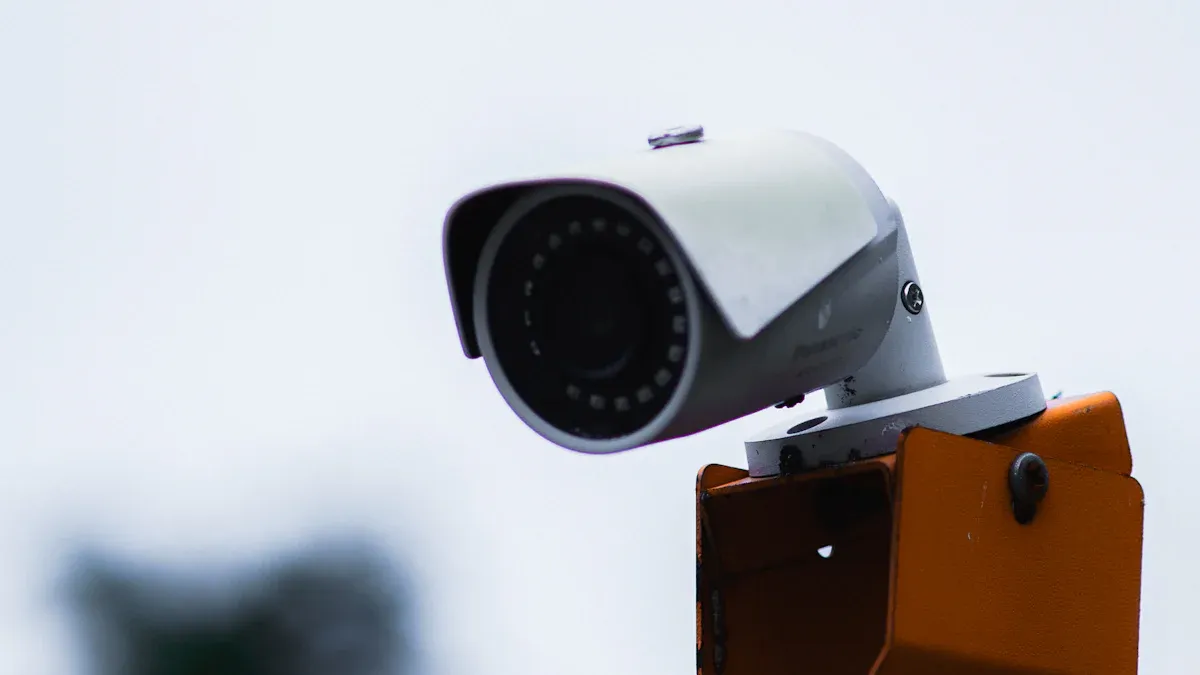
Cameras play a crucial role in any home security system. They provide visual evidence and help you monitor your property in real-time. When selecting a security camera, consider these essential features:
Feature | Description |
|---|---|
Motion Detection | Essential for real-time security, with customizable zones and AI-driven noise reduction. |
Night Vision | Infrared capabilities for clear footage in darkness, with a range of 30-100 feet. |
Audio Capabilities | Integrated 2-way audio for communication and smart snapshots for capturing important moments. |
Weather Resistance | IP66 or higher rating for durability against rain, wind, and dust, ensuring outdoor functionality. |
These features enhance your ability to monitor your home effectively. With motion detection, you receive alerts when movement occurs, allowing you to respond quickly. Night vision ensures you can see clearly even in low light, while audio capabilities let you communicate with visitors or deter intruders.
Alarms and Sensors
Alarms and sensors are vital components of a home security system. They alert you to potential threats and can deter burglars. Studies indicate that homes equipped with audible alarms are significantly less likely to be successfully burglarized compared to those without such systems. Here are some key benefits of alarms and sensors:
Increased Safety: Motion sensors can identify sudden movements, triggering alerts that deter trespassers and provide families with time to react.
Home Intrusion Detection: Installed near entry points, they detect unauthorized access and trigger alarms, notifying homeowners or monitoring services promptly.
Integration with Security Cameras: They can link to cameras for visual verification, recording activity when motion is detected, and allowing real-time access for homeowners.
According to research from Rutgers University, homes with visible security systems had 60% fewer break-in attempts compared to unprotected properties. This shows how effective alarms and sensors can be in preventing burglaries.
Smart Home Integration
Integrating your home security system with other smart devices enhances both convenience and security. Smart locks can work with other smart home devices like voice assistants, lighting controls, and climate systems. This integration allows for the creation of automated routines. For instance, a smart lock can unlock automatically upon arrival, while also turning on lights and adjusting the thermostat.
However, ensure that your devices can communicate effectively to avoid disjointed experiences. Compatibility with various communication protocols, like Wi-Fi, Zigbee, or Z-Wave, is necessary to prevent connectivity problems. Limited functionality may occur if devices are not compatible, leading to the need for multiple apps to control different devices.
By understanding these key features, you can make informed decisions when selecting your home security system. The right combination of cameras, alarms, sensors, and smart home integration will provide you with a comprehensive security solution tailored to your needs.
Types of Home Security Systems
DIY vs. Professional Monitoring
When choosing a home security system, you can opt for either DIY or professional monitoring. Each option has its advantages.
DIY Monitoring: You set up and monitor the system yourself. This option often saves money. However, you must stay alert to any alerts or notifications.
Professional Monitoring: Trained staff monitor your system 24/7. They can respond quickly to emergencies. If an alarm triggers, they can alert authorities on your behalf.
Here’s a quick comparison of response times:
Monitoring Type | Response Time | Responsibility |
|---|---|---|
Professional | 30 to 45 seconds | Monitored by trained staff |
DIY | Varies (homeowner must monitor) | Self-monitoring by homeowner |
Wired vs. Wireless
Home security systems also come in wired and wireless options. Each type has unique features that may suit your needs.
Wired Systems: These systems offer higher reliability. They connect through cables, which reduces interference. However, installation can be complex and may require professional help.
Wireless Systems: These systems are easier to install and often allow for DIY setups. They can be placed anywhere without worrying about wires. However, they may experience signal loss, which can affect reliability.
Here’s a comparison of their features:
Feature | Wired Systems | Wireless Systems |
|---|---|---|
Reliability | Higher reliability due to stable connections and minimal interference. | Generally less reliable due to potential signal loss. |
Installation Complexity | More complex installation requiring professional setup and extensive wiring. | Easier and quicker to install, often DIY-friendly. |
Both types of systems have their pros and cons. Consider your lifestyle and preferences when making a choice.
Evaluating Your Home Security Needs
Assessing Your Property
To choose the right home security system, you must first assess your property. This evaluation helps you understand your specific security needs. Consider the following factors:
Factor | Description |
|---|---|
Type of Property | Different properties (residential, commercial, industrial) have unique security needs. |
Threat Level | Assess the likelihood and potential impact of threats (low, medium, high). |
Access Points | The number and types of entrances and exits influence security requirements. |
Start by walking around your property. Look for areas that may need extra attention. Check the visibility into and out of your home. Ensure that doors and windows are secure. You can also review local crime data to understand past incidents in your neighborhood. This information helps you gauge risk levels.
Identifying Vulnerabilities
Next, identify vulnerabilities in your home. Many common security risks exist in single-family homes. Here are some of the most frequent vulnerabilities:
Garage doors can be a significant security risk if not properly secured, especially hand-lifted ones with outdated locks. These doors are easier to lift, providing an easy access point for intruders.
Most burglars enter through the front door, back door, or sliding porch door, and first-floor windows, accounting for about 79% of burglaries. Other vulnerable entry points include garage doors, basement entrances, unlocked doors, and second-floor windows.
To strengthen your security, conduct a thorough evaluation of both the interior and exterior of your home. Here are some steps to follow:
Ensure entry doors are solid core with deadbolts.
Check that windows close properly and are equipped with locks.
Maintain well-lit outdoor areas to deter intruders.
By taking these steps, you can significantly reduce your home’s vulnerabilities. A well-planned approach to assessing your property and identifying weaknesses will help you choose the best smart home security system for your needs.
Budgeting for the Best Home Security
Initial Costs
When you decide to invest in a home security system, understanding the initial costs is crucial. These costs can vary based on the type of system you choose. Here are some common expenses you might encounter:
Equipment Purchase: This includes cameras, sensors, and alarms. Prices can range from a few hundred to several thousand dollars, depending on the features.
Installation Fees: If you opt for professional installation, expect to pay between $100 and $300. DIY systems usually save you this cost.
Activation Fees: Some companies charge a one-time activation fee, which can range from $50 to $200.
Investing in the best home security system can provide peace of mind. You may also find that some insurance companies offer discounts for homes equipped with security systems. These discounts can reach up to 15%, making your investment even more worthwhile.
Ongoing Expenses
After setting up your home security system, you will have ongoing expenses to consider. Here’s a breakdown of typical costs:
Expense Type | Cost Range |
|---|---|
Monthly Monitoring Fees | $30 to $60 |
Financing Payments for Equipment | $20 to $50 |
Activation/Cancellation Fees | Varies |
Advanced Features/Services Fees | Varies |
Average Monthly Cost | $20 to $60 |
These ongoing expenses can add up, so it’s essential to budget accordingly. Many homeowners find that the benefits of professional monitoring outweigh the costs. A monitored system can provide quicker responses to emergencies, ensuring your safety.
By understanding both initial and ongoing costs, you can make informed decisions about your home security system. This knowledge helps you choose a system that fits your budget while meeting your security needs.
Comparing Home Security Options
Researching Brands
When you start looking for home security systems, researching brands is essential. Many companies offer various features and services. Here are some tips to help you choose the right brand:
Reputation: Look for brands with a solid reputation. Check how long they have been in business. Established companies often provide reliable products.
Features: Compare the features each brand offers. Some may have advanced technology, while others focus on basic security.
Customer Service: Good customer service is crucial. You want a brand that responds quickly to your questions and concerns.
You can find valuable information on brand websites, but don’t stop there. Explore third-party review sites for unbiased opinions.
Reading Reviews
Reading reviews helps you understand how well a home security system performs in real life. Here’s how to make the most of customer feedback:
Look for Patterns: Pay attention to common themes in reviews. If many users mention issues with the app or professional monitoring, take note.
Consider Ratings: Check the overall ratings on sites like Consumer Reports or Trustpilot. Higher ratings often indicate better performance.
Focus on Recent Reviews: Technology changes quickly. Recent reviews give you the latest insights into a brand’s current performance.
By researching brands and reading reviews, you can make an informed decision. This process helps you find a home security system that meets your needs and fits your budget.
Installation and Maintenance
Installation Options
When you decide to install a smart home security system, you have two main options: DIY (Do It Yourself) or professional installation. Each choice has its benefits.
DIY Installation Benefits:
Lower upfront costs.
Flexibility to modify or move the system as needed.
Simple setup for small spaces.
Professional Installation Benefits:
Expert installation ensures correct setup.
Access to advanced features and monitoring.
Ongoing support and maintenance.
Here’s a quick comparison of the two options:
Feature/Aspect | DIY Installation | Professional Installation |
|---|---|---|
Installation Cost | Typically free | $100–$300 |
Equipment Cost | $150–$500 | $300–$1,200 |
Monitoring | Optional ($10–$30/month) | Typically required ($30–$60/month) |
Total Cost Over 3 Years | ~$500–$1,200 | ~$1,400–$3,200 |
Expertise | Self-installed, requires tech comfort | Installed by trained professionals |
Customization | High flexibility | Limited to professional recommendations |
Maintenance | Self-managed | Regular maintenance included |
Monitoring Type | Self-monitored | 24/7 professional monitoring |
Maintenance Requirements
Maintaining your smart home security system is crucial for its effectiveness. Regular checks help identify issues before they escalate. You should perform maintenance checks at least once a month. This ensures all components function properly.
Here are some common maintenance tasks:
Test all sensors and alarms to confirm they work.
Check camera lenses for dirt or obstructions.
Update the app to access new features and security patches.
Neglecting maintenance can lead to costly emergency service calls, which can be 2 to 3 times more expensive than scheduled visits. While you can manage many tasks yourself, complex systems may require professional expertise. Regular assessments provide comprehensive health overviews and upgrade recommendations.
By understanding your installation options and maintenance requirements, you can ensure your smart home security system remains effective and reliable.
Choosing the right smart home security system is essential for your peace of mind. Here are some key takeaways to consider:
You can monitor your home remotely, ensuring security no matter where you are.
Many insurance companies offer discounts for monitored systems, saving you money.
High-definition cameras provide clear footage, aiding in evidence collection.
Integrated fire detection systems can alert you to emergencies, potentially saving lives.
To make an informed decision, follow these steps:
Identify areas needing constant visibility.
Understand the total cost of ownership beyond initial expenses.
Decide between DIY and professional installation based on your comfort level.
Ensure compatibility with existing smart home devices.
Choose between self-monitoring and professional monitoring based on your preferences.
By considering these factors, you can select the best home security system tailored to your needs.
