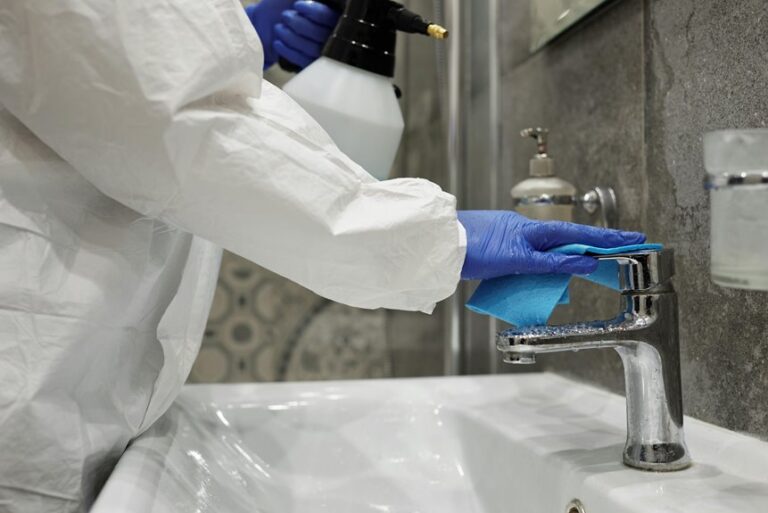

A bad-smelling dishwasher usually points to trapped food, grease, or water sitting where it shouldn’t. The worst odor spots are often the filter, drain, door seal, spray arms, and hose. A hot vinegar cycle, baking soda, and better drying habits can clear out stale smells fast. One small missed spot often causes the whole problem, so a quick cleanup can make a big difference.
Check the Most Common Smell Sources First
Before you try deep-cleaning tricks, start with the spots that usually trap food, grease, and stale water, because those are the real troublemakers behind most dishwasher odors. Begin your smell source scan at the door seal, especially along the bottom edge where grime hides. Then check the tub floor, corners, and sides for soggy crumbs or slimy residue.
Next, move into odor troubleshooting by looking for standing water after a cycle. Should water linger, inspect the air gap near the sink and make sure the drain hose has a proper high loop. Also notice whether the smell seems sour, greasy, or swampy, because each clue helps you narrow the cause.
You’re not the only one contending with this, and once you spot the source, fresh dishes feel possible again.
Clean the Dishwasher Filter
Next, check the dishwasher filter, because it often traps the food and grease that cause bad smells.
You can remove it from the bottom under the spray arm, rinse it well with hot water, and scrub away stuck debris with a soft brush and dish soap.
Once you rinse it thoroughly and put it back in place, you’ll help your dishwasher smell fresher and run better.
Remove And Rinse Filter
If your dishwasher smells bad, the filter is often the initial place to check because it quietly catches food bits, grease, and grime after every wash. To start, unplug the machine or switch it off, then look beneath the spray arm. Your owner’s manual can guide safe filter removal, since designs vary a little by model.
Once it’s out, hold the filter under hot running water and turn it slowly so water reaches every side. This step loosens residue before it settles into stubborn odor. Keep rinsing until the water runs clear and the surface feels clean.
Then check the opening where the filter sits and make sure nothing blocks the area. After that, reinstall the filter securely so your next rinse cycle can flow smoothly and leave your kitchen feeling fresh again.
Scrub Trapped Debris
Grab a soft brush, add a drop of dish soap, and gently scrub the filter until the trapped food and greasy film lift away. Work into the mesh, grooves, and rim, because that concealed gunk fuels odor. You’re not just cleaning parts. You’re giving your dishwasher the same care the rest of us rely on for a fresh kitchen.
| Area | What to target |
|---|---|
| Mesh | Stuck crumbs |
| Center | Grease film |
| Rim | Concealed sludge |
| Creases | Soap scum |
As you scrub, rinse with hot water to loosen buildup and support food residue cleanup. Should grime clings, check your owner’s manual for model-safe guidance. Monthly attention keeps smells from settling in and helps with soap scum removal, too. A few calm minutes here can make your whole kitchen feel welcoming again.
Reinstall For Freshness
With the grime washed away, set the filter back in place once it’s fully rinsed and free of soap. That final rinse matters, because leftover suds can trap new residue and bring the smell right back. As you begin reinstall placement, line up the filter carefully with the opening at the bottom under the spray arm.
Next, lower it gently and check the filter seating before you twist or lock it in. You want it snug, level, and secure, not tilted or loose. Should it doesn’t settle easily, pause and check your owner’s manual so you stay in step with your model. A properly reinstalled filter helps water flow the way it should, which keeps food bits from hanging around. That means your dishwasher stays fresher, cleaner, and ready for your household team.
Clear Debris From the Drain Area
Because food scraps often settle around the drain after a cycle, this concealed spot can turn into the main source of that sour dishwasher smell. Put on gloves, slide out the bottom rack, and look closely at the drain opening. You might see drain pan buildup, bits of food, or slimy sump chamber residue clinging nearby.
Next, use a paper towel or soft cloth to lift out anything you can reach.
Then wipe the area with hot, soapy water on a cloth, keeping your touch gentle around the opening. When grime sticks, use a soft brush to loosen it without scratching the surface. Work slowly, and you’ll get that obscured zone clean again. This step helps your dishwasher feel fresh, cared for, and ready to belong in your clean kitchen space again.
Check for Clogs Causing Dishwasher Odors
If your dishwasher still smells bad, check for clogs in the drain hose and filter next.
A blocked filter can trap food and grease, and that mess starts to stink fast. You can usually fix it by inspecting the hose for buildup and removing the filter to rinse away debris.
Inspect Drain Hose
While bad smells often seem like they’re coming from inside the tub, the drain hose can quietly hold dirty water and food bits that keep sending odor back into your dishwasher.
Start by unplugging power or switching off the breaker so you can check safely. Then look behind the dishwasher and follow the hose routing from the machine to the sink drain or air gap. You’re making sure the hose isn’t kinked, sagging, or pinched. A low spot can trap dirty water, and that stale water can smell awful.
Next, confirm the hose forms a high loop for backflow prevention. Whenever wastewater from the sink slips backward, your dishwasher can smell like the drain. Whenever you spot buildup or standing water, disconnect the hose carefully and flush it clean.
You’ve got this, and your kitchen will feel fresher fast.
Clear Filter Blockages
Now that you’ve checked the drain hose, turn your attention to the filter, since this small part often traps the food bits and grease that cause the strongest dishwasher odors. Start with your owner’s manual so you get easy filter access without forcing anything. Then remove the filter from the bottom under the spray arm and rinse it with hot water.
Next, scrub away stuck debris with a soft brush and a little dish soap. Pay close attention to the mesh, edges, and the filter well below it, because concealed sludge can keep smells hanging around.
Rinse everything well, then reinstall the filter securely. This step matters for blockage prevention and helps your dishwasher work like it belongs in a clean, cared-for home. Whenever odors return, clean the filter monthly to stay ahead.
Scrub the Door Seal and Edges
Because odors love to hide in damp, tight spaces, the door seal and the edges around the tub deserve a close scrub. You’re not alone when this area gets missed. It quietly collects door gasket grime, splashed grease, and crumbs that sour fast.
- Fold back the rubber seal gently and wipe with a damp cloth. Target seal edge mildew, sticky residue, and trapped bits.
- Use warm water with a little dish soap or baking soda paste. Scrub corners, seams, and the lower lip where moisture sits.
- Finish with wiping the sides and rim of the tub, then dry everything well with a clean towel.
This step fits right after filter cleaning because both spots trap old food. Once you clear them, your dishwasher feels fresher, cleaner, and back on your team again.
Clean the Dishwasher Spray Arms
After you’ve cleaned the seal and wiped the tub edges, turn your attention to the spray arms, since they move water through the whole machine. Should food bits hide inside them, odors can linger and your dishes won’t feel truly clean.
Start begin by twisting off the lower arm and lifting out the upper one should your model allow it. Rinse each piece under hot water, then use a toothpick or soft brush to clear spray arm clogs from the small holes. Pay close attention to the rinse arm jets, where grease and grit often collect.
As you work, you’re giving your dishwasher the same care you’d give any hard-working part of your home. Reattach the arms securely, spin them by hand, and make sure nothing blocks their movement.
Run a Hot Vinegar Cycle
Once the spray arms are clear, you can flush away the odor they’ve been spreading using running a hot vinegar cycle through the empty dishwasher. This simple step helps your whole kitchen feel fresh again, and you’re not alone when that initial sour smell bothered you more than you expected.
- Place 1 to 2 cups of white vinegar in a dishwasher-safe bowl on the top or bottom rack.
- Run the hottest empty wash cycle, so the vinegar deodorizing action can reach the walls, racks, and drain area.
- Let the cycle finish fully, because that hot water and odor neutralizing rinse help disintegrate soap scum and stale residue.
Should smells linger, repeat the cycle after a quick pre-rinse.
You’re giving your dishwasher the same reset many careful homekeepers rely on.
Freshen the Dishwasher With Baking Soda
A vinegar wash clears out a lot of the sour buildup, and baking soda helps finish the job by soaking up the stubborn smells that still cling to the tub floor and corners. After that cycle ends, sprinkle 1 cup across the bottom of the empty dishwasher so every area gets a light coating.
Next, run a short hot cycle. The heat activates odor absorption, while the powder works into damp spots where stale smells like to hide. You’ll also get gentle stain lifting, which helps the inside look as clean as it smells.
If your model has plastic parts close to the base, start the cycle briefly first, then add the powder. That simple step supports baking soda freshness without leaving residue behind. It’s an easy reset, and your kitchen feels welcoming again.
Prevent Future Dishwasher Odors
Regularly keeping a few simple habits makes the biggest difference, because odors return whenever moisture, grease, and tiny food bits get left behind. Whenever you stay consistent, your dishwasher feels fresh, and your whole kitchen feels more welcoming too.
- Rinse the filter monthly with hot water, then scrub away grease and trapped crumbs. Set monthly maintenance cues, so this step becomes part of your routine.
- Wipe the door seal, corners, and bottom often. Those concealed spots hold residue, and cleaning them helps your machine stay in the clean-team club.
- Practice dishwasher air drying after every cycle via cracking the door open. That lets moisture escape fast and stops musty smells before they settle in.
If odors still sneak back, check the drain hose or air gap for clogs and backflow issues.
Frequently Asked Questions
Can Hard Water Make Dishwasher Odors Worse?
Yes, hard water can make dishwasher odors worse because mineral deposits and limescale collect inside the machine and hold onto food particles, grease, and bacteria. Regular cleaning, occasional vinegar cycles, and leaving the door open after use can help keep the dishwasher smelling fresh.
Is a Bad Dishwasher Smell Harmful to My Health?
Usually, a dishwasher odor is not dangerous by itself, but it should not be ignored. The main health concerns come from mold, bacteria, or drain backup sources, so it is best to clean the dishwasher and fix the cause as soon as possible.
Why Does My Dishwasher Smell Only After Vacation?
Your dishwasher smells after vacation because a little water and tiny food bits stay trapped inside while it sits unused, giving bacteria time to multiply. To clear the odor, remove and wash the filter, wipe the door seal and edges, run an empty hot cycle with vinegar, and leave the door open for a while so the inside can dry.
Should I Use Bleach in a Smelly Dishwasher?
No, bleach is not the right fix for a smelly dishwasher. It is too harsh for a machine that handles your dishes every day. For safer odor removal and better results, clean the filter, run a cycle with vinegar, add baking soda afterward, and let the interior dry fully between uses.
When Should I Call a Plumber for Dishwasher Odor?
Call a plumber if dishwasher odors remain after a full cleaning, if water backs up into the sink or appliance, or if a blocked vent may be affecting drainage. A plumber can inspect the drain line, confirm the hose is installed correctly, and identify hidden plumbing issues that may be causing the smell.