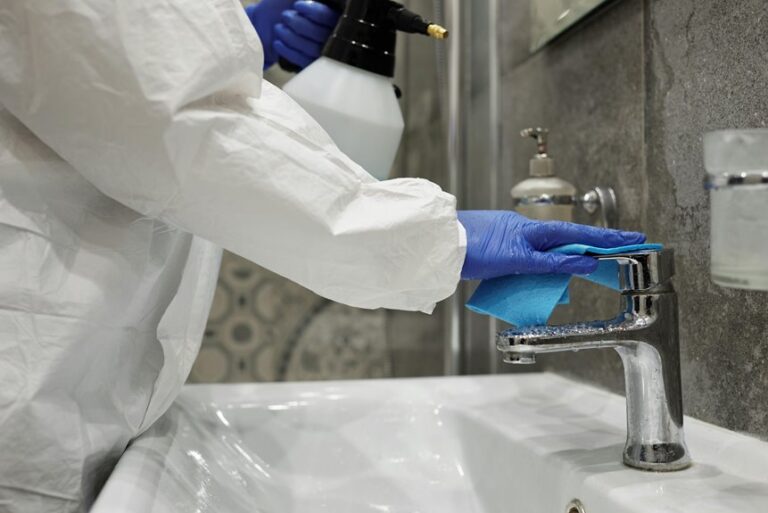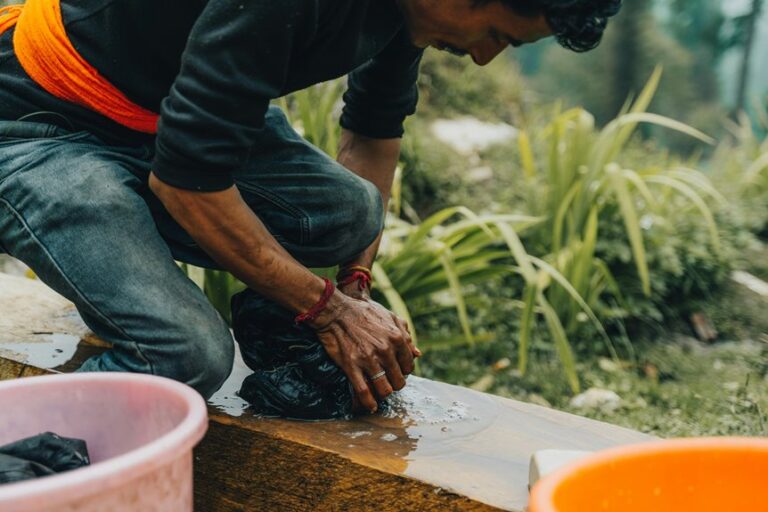

If your drain snake comes back coated in hair, grease, and black sludge after one sink job, you need to clean it before the next use. You’ll want to unplug it, pull out the cable fully, wipe off debris, then wash, disinfect, and dry it the right way. The order matters, because skipped steps can leave odors, rust, and residue that make the next clog worse.
How to Clean a Drain Snake Right Away
As soon as you pull the drain snake out, wipe the coil with a rag to knock off gunk before it dries. Do this at once so you don’t let residue set up or drag back into the housing. Keep the tool on a stable surface, then give the cable a quick inspection for wrapped hair, grease, or grit.
If you’re in emergency deployment, act fast but controlled: clear debris, check the tip, and stop the coil from rolling. Spray the cable with a biodegradable cleaner, then scrub the visible length with a wet bristle brush. Work in a ventilated area and wear gloves so you stay safe and part of the team that handles cleanup well. Finish by wiping the surface dry so you’re ready for the next use.
What You Need to Clean a Drain Snake
To clean a drain snake properly, you’ll need a bucket, hot soapy water, disinfecting soap, a bristle brush, clean rags, and a biodegradable cleaner. Add safety gear: gloves and eye protection. Keep the snake on a stable surface and unplug powered equipment before you start. A simple maintenance schedule helps you gather supplies fast and keep your tool ready for the next job.
| Item | Purpose | Tip |
|---|---|---|
| Bucket | Mix solution | Use sturdy plastic |
| Brush | Scrub cable | Choose stiff bristles |
| Rags | Wipe residue | Keep several clean |
| Cleaner | Loosen film | Pick biodegradable |
| Soap | Disinfect surface | Rinse after use |
With the right setup, you’ll work confidently, protect your gear, and stay in control.
Remove Debris From the Drain Snake
Pull off any caked debris from the snake as soon as you withdraw it, using gloves and a rag or brush to clear the coil.
Then rinse the cable thoroughly with clean water to remove loosened grime and cleaner residue.
Inspect the snake for any remaining buildup before you let it dry.
Pull Off Caked Debris
Wipe off the cable as soon as you withdraw it from the drain so caked debris doesn’t harden and cling to the snake.
Then use mechanical scraping with a plastic scraper or stiff rag to lift off packed sludge without gouging the coil.
If residue stays stubborn, apply thermal loosening by holding a hot, damp cloth against the buildup for a minute, then scrape again.
Work from the tip back toward the housing so you don’t spread grime onto clean sections.
Keep your grip firm and your motions controlled; you’re cleaning equipment, not forcing it.
For heavy deposits, repeat the scrape-and-wipe cycle until the cable feels smooth.
A clean snake performs better, lasts longer, and keeps your maintenance routine in the trusted pro zone.
Rinse Snake Thoroughly
Once the loose sludge is off, rinse the snake thoroughly with clean water to clear away any remaining grit, soap, and cleaner. Hold the cable over a bucket, tub, or outdoor drain and move the spray along the full length so residue doesn’t stay in the coils.
If you’ve got a hose, use steady water pressure, not a harsh blast that can drive debris deeper into joints or damage the finish. Work from the tip back to the handle, then check seams, bends, and the head for trapped particles.
This step matters for hose maintenance because leftover grime can corrode metal and leave odors. Wipe the snake dry with clean rags after rinsing, and make sure no slick film remains before you store it.
Wash the Drain Snake With Soap and Water
Mix hot soapy water in a bucket, then use it to scrub the drain snake cable after you’ve sprayed on a biodegradable cleaner and let it sit for a few minutes.
Work along the full length with a bristle brush, keeping steady pressure so soap maintenance stays consistent across the coil. Focus on grooves where sludge hides, and re-dip the brush often to keep the solution active.
Wipe loosened grime with clean rags as you go, so you’re not spreading residue back onto the cable.
When you’re done, rinse the snake with clean water and manage water disposal by pouring the used wash water into an approved drain or container.
Finish by drying the cable completely before storage.
Disinfect a Drain Snake Safely
With the cable cleaned, you can disinfect the drain snake by feeding it out fully and wiping it down with hot soapy disinfecting water or a disinfectant soap solution.
Wear personal protective equipment, including gloves and eye protection, so you stay safe around splashes and residue.
Work in a ventilated area, and apply the solution evenly along the cable, paying attention to joints and the tip.
If you need chemical sterilization, follow the product label exactly and keep contact time consistent.
Use a clean rag or wet brush to reach stubborn areas, then wipe off loosened debris.
Don’t mix cleaners, and don’t rush the process.
You’re keeping the tool sanitary for your next job, and that helps your whole crew stay ready.
Rinse and Dry the Drain Snake Completely
Rinse the drain snake with clean water until all soap, cleaner, and loosened debris are gone.
Inspect the cable for any remaining residue or corrosion, then wipe it down with a clean rag.
Dry it completely before you coil and store it to prevent rust.
Rinse Residue Away
Flush away any remaining cleaner and loosened debris by rinsing the cable thoroughly with clean water after scrubbing. Keep the hose or sink stream steady so water flow reaches every coil and seam. That helps residue prevention and keeps buildup from clinging to the metal.
| Checkpoint | What you do | Why it matters |
|---|---|---|
| Cable surface | Rinse top to bottom | Removes loosened grime |
| Brush lines | Aim water into grooves | Clears trapped film |
| Connector area | Wash joints carefully | Stops hidden residue |
| Runoff | Watch water clarity | Confirms cleaning progress |
| Final pass | Inspect by touch | Catches slick spots |
If you still feel soap or grit, rinse again until the cable feels clean and neutral. You’re keeping your tools ready, reliable, and part of your regular maintenance routine.
Dry Thoroughly Before Storage
After rinsing, dry the drain snake completely before you put it away. Wipe the cable, head, and handle with clean, lint-free rags until no visible water remains.
Then extend the snake fully and support it on a stable surface for air drying in a ventilated area. Turn the cable occasionally so trapped moisture can escape from coils and joints.
Check seams, screws, and the housing for moisture indicators such as dark spots, damp streaks, or cool metal. If you find any, keep drying and wipe again.
Don’t coil or store the tool while it’s still wet, because residual moisture can cause rust and foul odors. When every surface feels dry, you’re ready to lubricate, reassemble, and store it with the rest of your gear.
How to Remove Rust From a Drain Snake
If your drain snake has surface rust, remove it by first unplugging the machine and feeding the cable out fully so you can inspect the affected areas.
Wear gloves, then wipe the metal dry and apply a rust removal product or a paste made for light corrosion. Let it work for the time listed, then scrub the rust with a bristle brush or fine steel wool until the orange film lifts.
Wipe away residue with a damp rag and dry the cable completely. If pitting remains, repeat the treatment before you call it done.
Finish with a light coat of oil to support metal restoration and help protect the cable. Your team will keep the snake reliable when you store it in a dry, ventilated place.
Clean a Drain Snake After Hair Clogs
Hair clogs leave a drain snake coated with tangled residue, so you should unplug the machine, put on gloves, and feed the cable out onto a stable surface for cleaning.
Wipe off loose debris with a rag, then spray the cable with biodegradable cleaner and let it sit for a few minutes.
Scrub the length with a bristle brush dipped in hot soapy water, paying attention to bends and grooves where hair removal buildup hides.
Rinse the cable, then wash it again with disinfecting soap to clear grime from salon tools, pet grooming waste, and lint traps.
Inspect for remaining strands, dry the metal with clean rags, and coil it back by hand.
This routine keeps your gear ready for the next job and helps your crew work safely.
How Often Should You Clean a Drain Snake?
You should clean a drain snake after every use, especially when it’s exposed to grease, soap scum, hair, or other heavy debris. Your maintenance schedule should tighten with usage frequency: weekly use calls for full cleaning each time, while occasional use still needs a rinse and wipe-down. That habit keeps your crew ready and your tool dependable.
| Usage frequency | Cleaning need |
|---|---|
| Daily | Full wash, scrub, dry |
| Weekly | Clean after each job |
| Monthly | Clean after each use |
| Heavy buildup | Immediate deep clean |
If you skip routine care, debris hardens and the snake feels unreliable. When you clean it consistently, you protect performance, reduce wear, and stay part of the homeowners and pros who handle clogs with confidence.
Store a Drain Snake to Prevent Smells
Lock the drain snake away clean and dry to keep odors from building up. After you finish cleaning, wipe the cable and housing with a dry rag so no moisture stays trapped.
Coil the snake loosely, then place it in breathable storage, such as a vented bin or mesh bag, instead of sealing it in plastic. This supports odor prevention by letting residual dampness evaporate instead of fermenting grime.
Keep the storage spot cool, dry, and away from food, trash, or standing water. If your workspace is shared, label the container so everyone returns the tool to the same place.
Before the next use, open the storage and check for any stale smell. If you notice one, air it out before you head to the drain.
Drain Snake Care Tips to Prevent Rust and Smells
To keep a drain snake from rusting or smelling, clean it thoroughly after each use and dry every part before storage. You should wipe off sludge, rinse the cable, and scrub joints with hot soapy water.
Apply a preventative coating of light oil to metal surfaces, then run the snake through a dry rag to remove excess. Store it in airflow storage, not a sealed bin, so moisture can escape.
- Wear gloves when handling debris
- Disinfect the cable after greasy jobs
- Inspect for corrosion before coiling
- Let airflow reach the full length
- Reapply oil weekly in humid areas
If you notice odor, flush the head with cleaner and let it air-dry fully. Your routine keeps the tool ready and your crew working clean.
Frequently Asked Questions
Can I Clean a Drain Snake Without Removing It From the Machine?
Yes. For routine maintenance and to prevent rust, wipe, spray, and brush the exposed section of the cable while it remains in the machine. For a thorough cleaning, however, feed the cable out and clean the entire length.
Is It Safe to Use Bleach on a Drain Snake?
No. Bleach can corrode the metal cable and damage the housing of a drain snake. Try nonbleach alternatives such as enzyme or bacterial drain cleaners. Wear chemical-resistant gloves and eye protection when handling cleaning agents. After use, wipe the cable and head with hot soapy water, then rinse and dry. For stubborn residue use a biodegradable cleaner formulated for plumbing tools.
How Long Should I Let Cleaner Sit Before Scrubbing?
Let the cleaner work for two to three minutes so the grime begins to loosen before scrubbing. If you are using an enzymatic product, check the label because those often require five to ten minutes for optimal action.
Can I Use a Power Washer on the Cable?
Yes. Use a power washer at a moderate distance and avoid concentrating the spray on one spot. Move the nozzle continuously to prevent chipping or abrasion of the cable coating. After washing, dry the cable completely before storing to minimize corrosion.
What Should I Do if the Snake Still Smells After Drying?
If the odor persists, rinse the snake with a solution of one part white vinegar to four parts water, scrub gently, then rinse with clean water. Apply an enzymatic odor neutralizer or baking soda paste, let it sit for the recommended time, then rinse and air dry completely in a well-ventilated area. Inspect the coil for trapped debris or moisture, clean the cable with a mild detergent if needed, and store the snake in a dry, ventilated container or hanging so air can circulate.