
Your Hamilton Beach coffee maker can hide mineral buildup in spots you don’t see, and that buildup can slow flow and change taste. You’ll need to clean the carafe, brew basket, and any single-serve parts by hand, then descale the reservoir with vinegar and water on a regular schedule. A few simple steps can restore performance, but one missed detail often keeps the machine from working right.
Clean the Carafe, Basket, and Filter
Start by letting the coffee maker cool completely, then remove the carafe, brew basket, and filter holder. Wash the glass carafe, basket, and permanent filter by hand in warm, soapy water, using a nonabrasive sponge. Rinse each part thoroughly to remove detergent, then dry them with a clean cloth or let them air-dry fully.
Check the filter holder for trapped grounds, especially around seams and corners, so you keep the brew path clear. If your model uses a removable brew basket, clean it every day; otherwise, include it in your weekly routine. Don’t immerse the power cord or base. When you’re done, reassemble the parts only after they’re completely dry.
You’ll keep your machine ready and your kitchen crew in good shape.
Run a Vinegar Descaling Cycle
Pour ½ cup of plain white vinegar and ½ cup of cold water into the reservoir, then place a large mug or cup under the brew basket to catch the liquid. Press ON, and after about 30 seconds, switch OFF to pause the cycle. This vinegar concentration helps dissolve mineral scale inside the water path.
Let the solution sit for 30 minutes; that soaking duration gives the acid time to loosen buildup without extra effort from you. After the pause, press ON again and let the machine finish brewing the mixture. Stay with your routine and keep the unit powered during the cycle.
If your local water is hard, you’ll want to run this descale step more often so your coffee maker keeps performing like the rest of your kitchen crew expects.
Rinse the Coffee Maker Thoroughly
Rinse the water reservoir with fresh cold water to remove any remaining vinegar solution and loosened mineral residue.
Run 2 to 3 brew cycles with only water to flush the brew basket and internal passages.
Let the machine cool between cycles, and continue until you no longer detect any vinegar odor or taste.
Rinse Water Reservoir
Flush the reservoir and brew system with fresh water to clear out any vinegar residue after descaling. Fill the reservoir with cold water only, then run a full cycle. Repeat this two more times, cooling the machine between cycles. This water testing step helps you confirm that no sour odor remains and that your coffee tastes clean again. If your model has a reservoir coating, inspect it for any trapped film before refilling.
| Cycle | Water Amount | Result |
|---|---|---|
| 1 | 1 cup | Initial rinse |
| 2 | 1 cup | Vinegar reduced |
| 3 | 1 cup | Final clear rinse |
After each run, empty the mug and check for lingering smell. Stay consistent, and you’ll keep your Hamilton Beach brewer ready for dependable daily use.
Flush Brew Basket
Now run the brew basket through a final rinse to clear away any remaining vinegar, coffee oils, or loosened residue. Hold the brew basket under warm running water and let water flow through every corner, hinge, and filter seat.
If buildup lingers, repeat the rinse cycle until the surfaces feel smooth and odor-free. You’ll protect your coffee maker’s performance and support mold prevention by removing damp residue before reassembly.
Inspect the drain openings, too; they shouldn’t trap grounds or film. Wipe the basket with a clean, lint-free cloth, then let it air-dry fully before you reinstall it.
When the basket is dry, reassemble the machine with confidence, knowing you’ve finished the cleaning process the right way and kept your Hamilton Beach brewer ready for the next cup.
Clean the Coffee Maker Exterior
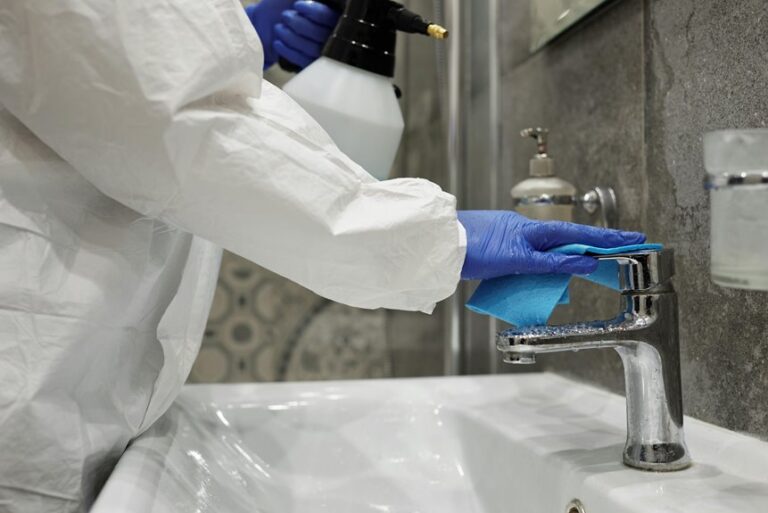
Wipe the outer surfaces with a damp cloth to remove dust, spills, and coffee residue.
If you spot stains, treat them carefully with a mild cleaner and avoid abrasive pads that can scratch the finish.
Then dry the exterior completely to prevent streaking and moisture damage.
Wipe Outer Surfaces
Start by unplugging the coffee maker only after it has cooled completely, then use a damp cloth to clean the exterior surfaces and remove any dust, spills, or coffee residue.
Wipe each panel, button, and seam with controlled pressure so you don’t push moisture into openings. If you want a cleaner finish, follow with microfiber polish on dry areas to lift haze and leave a smooth sheen.
For stubborn grime on plastic housings, use paint safe wipes, then dry immediately. Keep the cloth only lightly damp, and never spray cleaner directly onto the unit.
You’ll protect the finish and keep the machine looking like it belongs on your counter. Finish by checking the cord area and base for lingering moisture, then let everything air-dry before use.
Remove Stains Carefully
For stubborn stains on the coffee maker’s exterior, apply a damp cloth with a small amount of mild detergent and work on one spot at a time so you can lift residue without spreading it. Use gentle pressure, then wipe with a clean, moist cloth and dry immediately to protect the finish.
- Test your stain removal techniques on a hidden area first.
- Use fabric safe cleaners only on approved exterior materials.
- Follow the metal grain on stainless steel for a uniform result.
- Keep moisture away from seams, buttons, and the power cord.
If buildup remains, repeat the process rather than scrubbing hard. You’ll keep the machine looking cared for and feel confident every time you brew.
Descale Your Hamilton Beach Coffee Maker
Descaling your Hamilton Beach coffee maker with a vinegar solution helps remove mineral deposits and restore brew performance.
You’re dealing with mineral chemistry: calcium and magnesium scale bind inside the reservoir and tubes, slowing flow and heating.
Mix 1/2 cup white vinegar with 1/2 cup cold water, pour it into the reservoir, and start a brew. After 30 seconds, switch it off, then wait 30 minutes so the acids can work.
Restart and finish the cycle. Run two to three plain-water cycles to flush residue.
If you dislike vinegar, check vinegar alternatives such as manufacturer-approved descalers.
Regular descaling keeps your machine in the same reliable rhythm as everyone else’s, so your morning cup stays consistent, clean-tasting, and ready when you are.
Remove Carafe Stains and Coffee Odors
To freshen the carafe and clear out stale coffee odors, wash it by hand with warm, soapy water, then rinse and dry it thoroughly.
If stains linger, make a paste with baking soda and a little water, apply it to the inside, and let it sit for 10 minutes before rinsing.
For stubborn smells, place a small pouch of activated charcoal in the dry carafe overnight to absorb residual odors.
You’ll keep your brew tasting cleaner and more inviting.
- Use a soft sponge to avoid scratching glass or plastic.
- Focus on the spout and base, where residue collects.
- Rinse twice if you notice any soap film.
- Store the carafe uncovered so moisture can’t trap odors.
Clean a Hamilton Beach Single-Serve Brewer
To clean your Hamilton Beach single-serve brewer, descale the water reservoir with a vinegar-and-water mix, then let the solution sit to break down mineral deposits.
Next, clear the needle assembly with a paperclip so water can flow freely through the brew path.
Finish by running 2 to 3 rinse cycles with cold water to flush out any vinegar residue.
Descale Water Reservoir
Mix ½ cup plain white vinegar with ½ cup cold water in the reservoir, then place a 14 oz or larger mug under the brew basket before you start the cycle.
During reservoir inspection, check for scale lines and note mineral mapping around the fill mark.
- Press ON for 30 seconds, then switch OFF.
- Let the solution sit 30 minutes so deposits loosen.
- Press ON again and finish the brew cycle.
- Run 2 to 3 cold-water cycles to flush vinegar taste.
You’ll keep your single-serve brewer performing like your own when you descale monthly, or weekly in hard-water areas.
Use only cold water for rinsing, and let the machine cool between cycles.
This precise routine protects flow, reduces buildup, and helps your coffee taste clean.
Clean Needle Assembly
Once you’ve flushed the reservoir, turn to the needle assembly in your Hamilton Beach single-serve brewer, since mineral deposits and coffee grounds can clog it and restrict flow.
Unplug the brewer, let it cool, and remove any pod. Use a straightened paperclip to clear the entrance and exit needles with gentle, controlled motions; don’t force the metal or enlarge the openings.
Perform an assembly inspection to confirm both needles sit securely and show no bent tips or visible residue. If you notice sticking at the pivot points, apply a manufacturer-approved needle lubrication only if your model allows it, then wipe away excess.
Recheck alignment before closing the housing. When you keep this area clean, your brewer stays reliable, and you stay in control of every cup.
Rinse Brew Cycle
Now run the rinse brew cycle to flush out the vinegar solution and clear any loosened residue from your Hamilton Beach single-serve brewer. Use cold water in the reservoir, and keep the mug beneath the brew basket.
After each cycle, let the unit cool briefly before you start again. For best results, match the rinse frequency to the descaling level: 2 cycles for light buildup, 3 cycles if vinegar odor remains.
- Fill with 1 cup of water.
- Press ON, then brew fully.
- Empty the cup and check for odor.
- Repeat until the water runs clear.
Watch the water temperature closely; cooler rinse water helps preserve parts while still removing vinegar. When the final cup tastes neutral, you’ve finished the cleanup and kept your brewer ready for the next shared morning.
Check Your Model’s Cleaning Steps
Before you start cleaning, check your Hamilton Beach model’s specific instructions, because some steps vary by design. You’ll see model differences in reservoir access, removable parts, and needle or hot-plate maintenance.
Open the manual that matches your unit, since manual variations can change which parts you can wash, wipe, or descale. If you own a single-serve FlexBrew, confirm whether it needs needle unclogging with a paperclip. If your brewer has a stainless steel body, look for grain-direction wiping guidance.
For models with a water spreader above the brew basket, inspect that area for residue. When you follow the right procedure for your exact machine, you protect performance and keep your routine efficient. That’s how you clean with confidence and stay in sync with your brewer.
How Often to Clean It
How often you clean your Hamilton Beach coffee maker depends on how you use it and the water in your area. Set a cleaning schedule that matches your maintenance frequency and your household’s brew volume.
- Clean the brew basket daily after use.
- Wash removable parts weekly with warm, soapy water.
- Descale monthly in normal-water areas.
- Descale weekly if you live with hard water.
This routine keeps your machine in the group of coffee makers that perform consistently and stay easier to maintain. If you brew only a few cups, you can often stretch light cleaning a bit, but don’t skip the monthly deep clean.
Regular care reduces mineral buildup, helps preserve flavor, and keeps your setup ready for the next cup.
Fix Brewing Problems After Cleaning
If your Hamilton Beach coffee maker still brews slowly, sputters, or won’t cycle properly after cleaning, run another descaling rinse and check the needle, brew basket, and water spreader for clogs.
You’re not alone; these issues usually mean leftover mineral scale or trapped grounds.
For post cleaning troubleshooting, flush the machine with one cup of cold water, then inspect each contact point for blockage.
If flow remains weak, clean the needle with a paperclip and confirm the basket seats fully.
Next, verify brew strength calibration by matching the water volume to your preferred cup size and brew mode.
If the unit still misfires, unplug it, cool it, and repeat the rinse cycle. That reset often restores even extraction and steady dripping.
Frequently Asked Questions
How Do I Clean the Brew Basket Daily?
Rinse the brew basket each day with warm, soapy water, then dry it thoroughly. Rinse the filter holders and wipe the spray head to prevent residue buildup. A clean basket preserves the coffee’s true flavor and ensures consistent cups.
Can I Wash Removable Parts in the Dishwasher?
Wash removable parts in the dishwasher if they are labeled dishwasher safe. If they are not labeled, hand wash detachable reservoirs with warm soapy water, rinse well, and dry thoroughly to prevent damage.
Should I Unplug the Coffee Maker Before Cleaning?
No. Keep it plugged in when performing cleaning steps that require power. Do not immerse the cord in water. Only unplug before removing or handling detachable components.
How Long Should I Let the Machine Cool First?
Allow the machine to cool for about 15 to 20 minutes before touching any parts. Perform a quick safety check once it feels cool, then continue. This wait reduces burn risk and makes cleaning safer and more effective.
What Should I Use to Clean the Needle?
Use a straightened paperclip to clear needle clogs; insert it gently to avoid bending the needle. Special descaling tools are not necessary for the needle itself. Keep the needle area clean and dry and inspect it regularly to prevent brewing problems.