

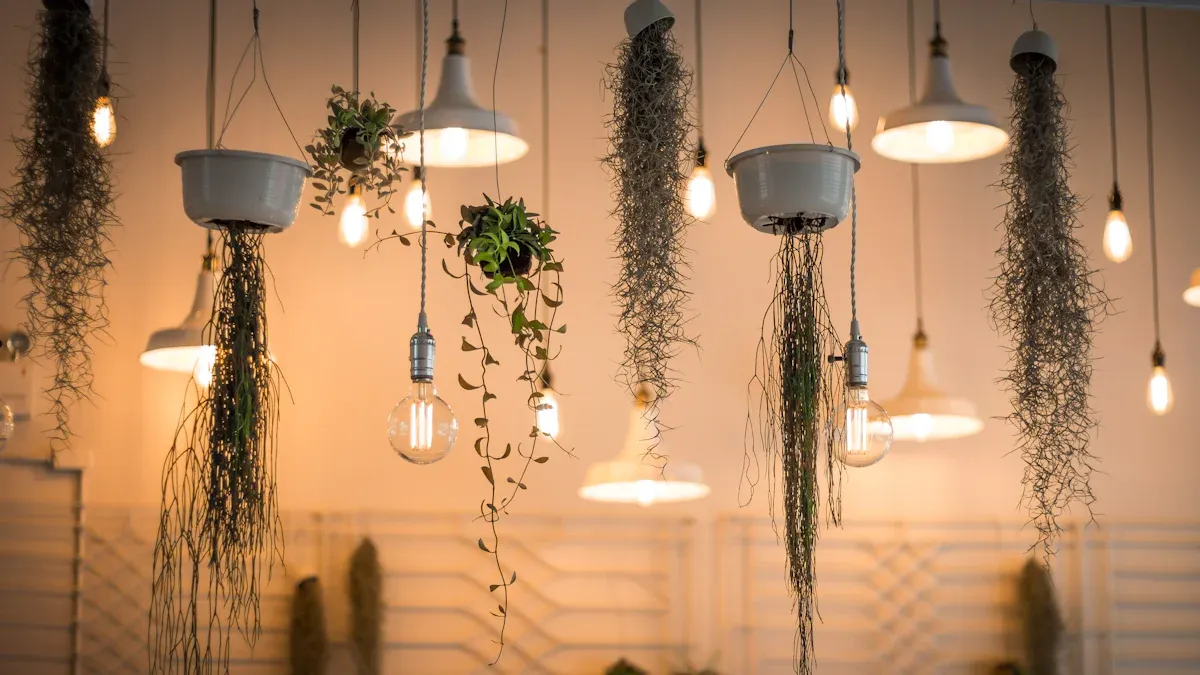
Imagine transforming your home with just the right lighting! Smart lighting not only boosts your space’s aesthetics but also enhances its functionality. Have you ever struggled with dim rooms or harsh overhead lights? How often do you wish you could set the mood with a simple tap on your phone? Embracing smart lighting can help you tackle these challenges while elevating your home décor to new heights.
Key Takeaways
Smart lighting enhances both the aesthetics and functionality of your home. It allows you to create the perfect atmosphere for any occasion.
Understand the three types of smart lighting: ambient, task, and accent. Each type serves a unique purpose and can transform your space.
Use smart lighting strips to highlight features and create ambiance. Proper placement and dimmers can significantly enhance your décor.
Incorporate smart bulbs for flexibility. They can be programmed for schedules and controlled via voice commands, making life easier.
Plan your lighting scenes by adjusting color temperature and brightness. This helps set the mood and improves your overall experience at home.
Smart Lighting Types
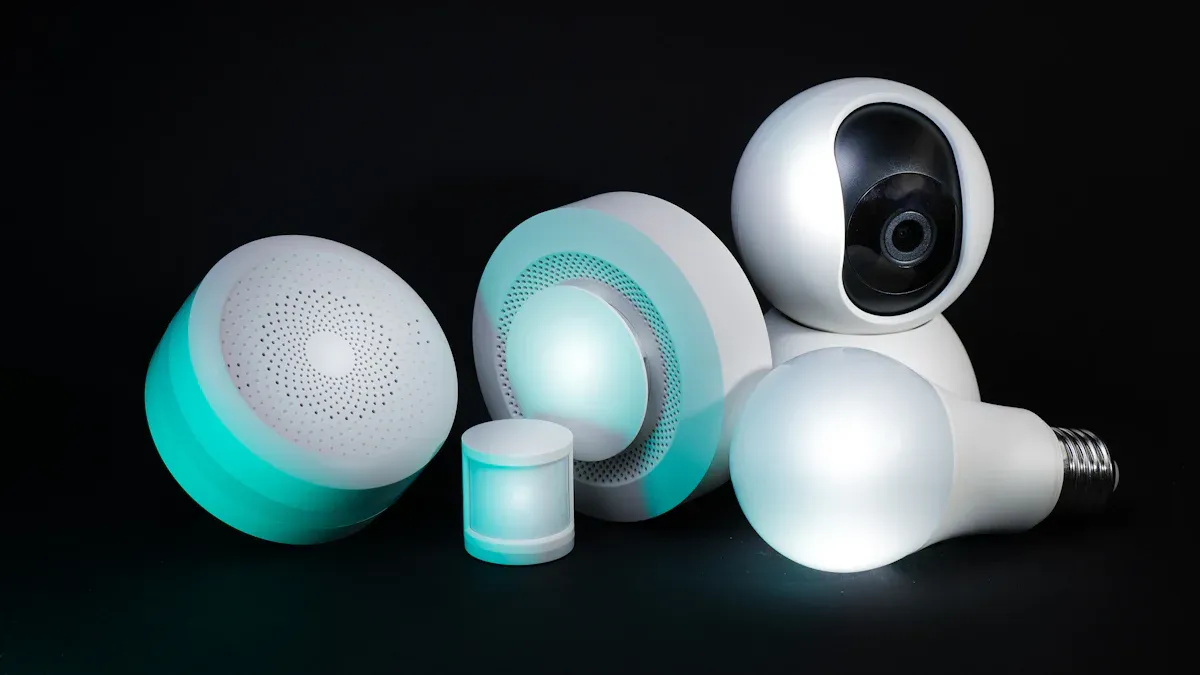
Smart lighting comes in various forms, each serving a unique purpose in your home. Understanding these types can help you choose the right solutions for your space.
Ambient Lighting
Ambient lighting provides the overall illumination in a room. It creates a comfortable level of brightness without harsh shadows. You can achieve this with smart light bulbs or fixtures that offer adjustable brightness.
Layer different types of ambient lighting fixtures to create depth and dimension.
Incorporate dimmers and smart controls to adjust lighting levels, enhancing the mood and ambiance.
For example, using dimmable recessed lights in your living room can eliminate dark corners and create a welcoming environment. You can also use smart LED bulbs in floor lamps to set the perfect tone for relaxation or entertaining.
Task Lighting
Task lighting focuses on specific areas where you need extra light for activities like reading, cooking, or working. This type of lighting is essential in spaces like kitchens and home offices.
In kitchens, use task lighting with a color temperature between 3,000 K and 4,000 K for clarity in cooking and cleaning tasks.
Focused lighting sources like pendant or under-cabinet lights minimize shadows, making your tasks easier.
In your home office, consider LED desk lamps with adjustable brightness and color temperature. This setup supports various tasks and helps reduce eye strain. You can even add ambient LED strips behind your monitor to create a softer light that mimics natural daylight.
Accent Lighting
Accent lighting highlights specific features in your home, such as artwork, architectural details, or decorative elements. This type of lighting adds character and depth to your décor.
Use LED optical framing projectors to illuminate paintings or sculptures precisely.
Adjustable cabinet lighting systems can enhance displayed items, adding dimension to your cabinetry.
Accent lighting allows you to personalize your space. For instance, you can use smart lighting technology to easily adjust brightness and color, transitioning from energizing to calming atmospheres. This flexibility helps you create the perfect setting for any occasion.
By understanding these three types of smart lighting, you can enhance your home décor while improving functionality. Whether you want to create a cozy atmosphere or highlight your favorite pieces, smart lighting offers endless possibilities.
Smart Lighting Integration Tips
Integrating smart lighting into your home can be a game-changer. It not only enhances your space but also adds convenience and energy efficiency. Here are some practical tips to help you get started.
Using Smart Lighting Strips
Smart lighting strips are a fantastic way to add flair to your home. They can highlight architectural features, create ambiance, or even serve as functional task lighting. Here are some tips for using them effectively:
Placement is Key: Consider placing LED strips under shelves, behind televisions, or along baseboards. This creates dynamic lighting effects that can transform the look of any room.
Clean Surfaces: Before applying adhesive-backed strips, ensure the surfaces are clean and dry. This helps them stick better and last longer.
Plan Your Layout: Think about which features you want to highlight. Use color temperature options that match the room’s ambiance. For example, warm tones can create a cozy feel, while cooler tones can energize a space.
Use Dimmers: Incorporate dimmers to adjust brightness levels. This allows you to set the mood for different occasions easily.
Limit Saturated Colors: While vibrant colors can be fun, use them sparingly. Reserve bold hues for creative spaces or entertainment zones to maintain a balanced atmosphere.
By following these tips, you can create visual interest and enhance your home décor with smart lighting strips.
Incorporating Smart Bulbs
Smart bulbs offer incredible flexibility and control over your lighting. They can be programmed to fit your daily routines and enhance your overall experience at home. Here’s how to make the most of them:
Programmable Schedules: Set your smart bulbs to turn on and off at specific times. This not only adds convenience but also helps save energy. For instance, you can program them to turn off when you leave for work.
Voice Control: Integrate your smart bulbs with voice assistants for hands-free operation. This feature makes it easy to control your lighting without lifting a finger.
Customization: Adjust colors, brightness, and light temperature to create the perfect atmosphere for any occasion. Whether you’re hosting a dinner party or winding down for the night, smart bulbs can adapt to your needs.
Energy Efficiency: Smart bulbs can save you money in the long run. They typically use up to 75% less energy than traditional incandescent bulbs and last much longer. This means fewer replacements and lower energy bills.
When integrating smart bulbs into your home, consider the compatibility with your existing system. Ensure that your smart home platform supports the bulbs you choose for seamless integration.
By utilizing smart lighting strips and smart bulbs, you can elevate your home décor while enjoying the benefits of lighting automation. Start small, experiment with different setups, and watch how your space transforms!
Creating Ambiance with Smart Lighting
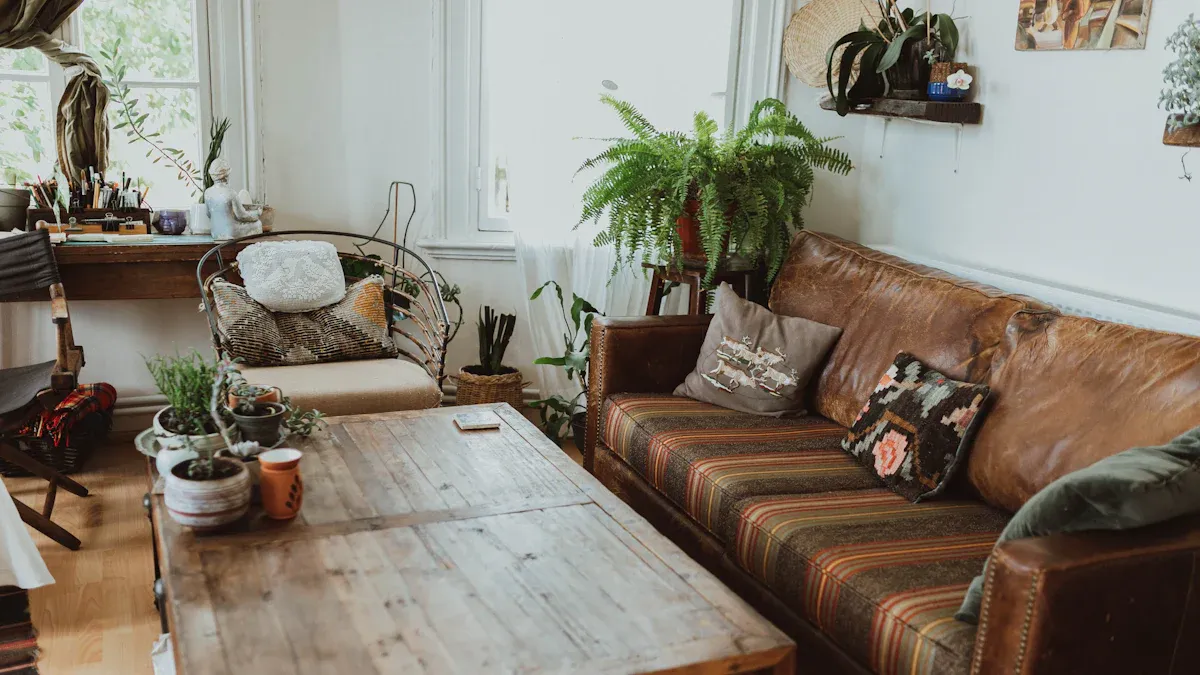
Planning Scenes
Creating the right ambiance in your home starts with planning your smart lighting scenes. You can easily set the mood for any occasion by adjusting your lighting. Here are some key steps to consider:
Color Temperature Sets the Tone:
Warm lighting (yellow/golden) creates intimacy and comfort, perfect for living rooms and dining areas.
Cool lighting (blue/white) energizes and sharpens focus, ideal for workspaces and kitchens.
Brightness Guides Behavior:
Low lighting promotes mingling and intimate conversations, making it great for gatherings.
Bright lighting keeps everyone alert and encourages high-energy interactions.
Lighting Influences Perception:
The positioning and layering of lights can make a space feel larger or cozier.
By planning your scenes, you can create a personalized ambiance that suits your activities, whether you’re hosting a dinner party or enjoying a quiet evening at home.
Color Temperature
Color temperature plays a crucial role in setting the ambiance of your space. It affects how you feel in a room. Here’s a quick overview of how different color temperatures can influence your environment:
Color Temperature | Ambiance Effect | Ideal Use Cases |
|---|---|---|
Warm White (2700K – 3500K) | Creates a cozy and intimate ambiance | Living rooms, bedrooms, restaurants |
Neutral White (4000K – 4500K) | Provides balanced brightness | Kitchens, workspaces, retail stores |
Cool White (5000K – 6500K) | Enhances focus and alertness | Offices, study areas, hospitals |
Using warmer lights (around 3000K) can help you relax and prepare for sleep, while cooler lights (6000K) keep you alert and productive during the day.
Incorporating smart lighting into your home allows you to adjust these settings easily. You can create dynamic lighting that matches your mood and activities, enhancing your overall experience.
Now’s the time to explore the world of smart lighting! Start small by adding a few smart bulbs or strips to your home. You’ll quickly see how they can enhance your space. As you get comfortable, consider expanding your setup.
Remember, smart lighting not only boosts your home’s aesthetics but also saves you money in the long run. Smart lighting systems can reduce energy consumption by up to 80% compared to traditional options. Plus, they last much longer, which means fewer replacements and less waste.
So, why wait? Dive into the possibilities of smart lighting and watch your home transform!
FAQ
What is smart lighting?
Smart lighting refers to advanced lighting systems that you can control remotely. You can adjust brightness, color, and schedules using your smartphone or voice commands. This technology enhances both convenience and energy efficiency in your home.
How do I install smart lighting?
Installing smart lighting is simple. Replace your existing bulbs with smart bulbs or connect smart lighting strips to power sources. Follow the manufacturer’s instructions for setup and connect them to your home Wi-Fi network for full control.
Can I use smart lighting with existing fixtures?
Yes! You can use smart bulbs in your current fixtures. Just ensure the bulbs fit properly and are compatible with your lighting system. This allows you to upgrade your home without replacing all your fixtures.
Is smart lighting energy-efficient?
Absolutely! Smart lighting systems typically use up to 75% less energy than traditional bulbs. They also last longer, reducing the need for frequent replacements. This efficiency can lead to lower energy bills over time.
Can I control smart lighting when I’m away from home?
Yes! Most smart lighting systems allow you to control your lights remotely through an app. You can turn them on or off, adjust settings, and even set schedules while you’re away, enhancing security and convenience.
