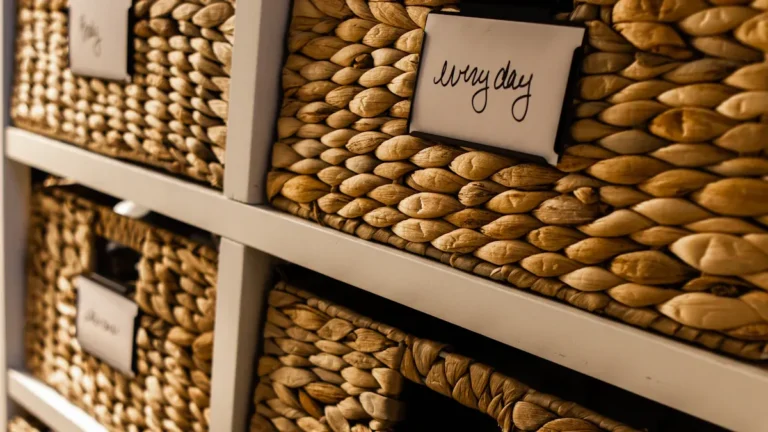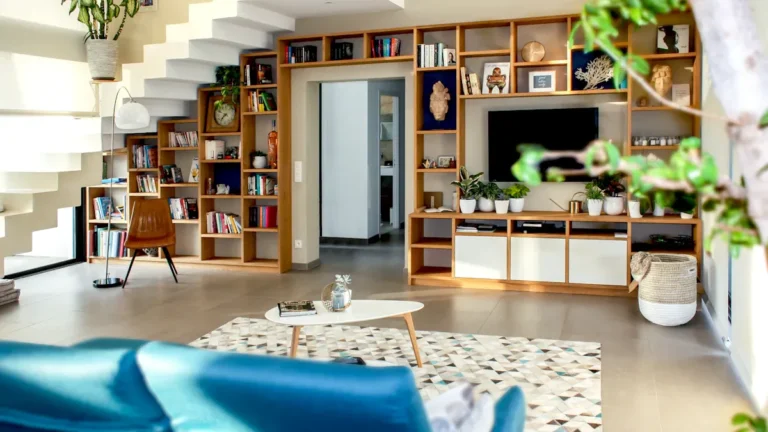

Are you ready to transform your living space into something truly unique? With the concept of Mix and Match in home decor styles, you can create an exciting environment that reflects your personality. Instead of sticking to one style, why not blend elements from different inspirations? For example, consider using a calming mono-room approach with various materials and textures. This not only simplifies the decorating process but also results in a sophisticated aesthetic. So go ahead, explore your options, and let your imagination run wild in your design journey!
Key Takeaways
Assess your personal style to ensure your décor reflects who you are.
Use the 60-30-10 rule for a balanced color palette that enhances visual harmony.
Start with a neutral base to allow flexibility when mixing different styles.
Incorporate textures and materials to add depth and interest to your space.
Don’t hesitate to experiment; your home should be a unique reflection of your personality.
Personal Style
Explore Styles
When it comes to home décor, the options can feel endless. You might find yourself drawn to various styles, each with its unique charm. Here are some popular categories to consider:
Traditional style: This style features classic furniture and rich colors, often with ornate details.
Transitional style: A blend of traditional and contemporary, this style balances comfort with modern aesthetics.
Contemporary style: Focused on current trends, contemporary design emphasizes clean lines and minimalism.
Eclectic style: This style allows you to mix different elements from various periods and cultures, creating a vibrant and personalized space.
Exploring these styles can help you identify what resonates with you. You might even discover that you love elements from multiple styles, which is perfectly okay!
Reflect on Preferences
Reflecting on your personal preferences is crucial in creating a space that feels like home. Consider these points:
Choosing décor that resonates with your tastes enhances emotional well-being.
Incorporating culturally or personally significant items enriches your living space, providing meaningful experiences.
Personalized décor choices allow your home to reflect your story, making it more inviting.
Displaying sentimental items adds authenticity and charm to your space.
You can also take advantage of online quizzes to help pinpoint your style. For example, the Coburn’s Kitchen & Bath Showroom Style Finder Quiz helps you identify your ideal home interior style through a series of questions. Similarly, the Havenly Interior Design Style Quiz connects you with designers who can assist in creating a home that reflects your preferences.
Remember, your home is a canvas for your identity. By mixing and matching styles that speak to you, you create a unique design that showcases who you are. Embrace the journey of discovering your personal style!
Mix and Match for Cohesion
Primary and Secondary Styles
When you mix and match home décor styles, choosing a primary and secondary style can help guide your design. Your primary style serves as the foundation, while the secondary style adds depth and interest. Here are some popular combinations to consider:
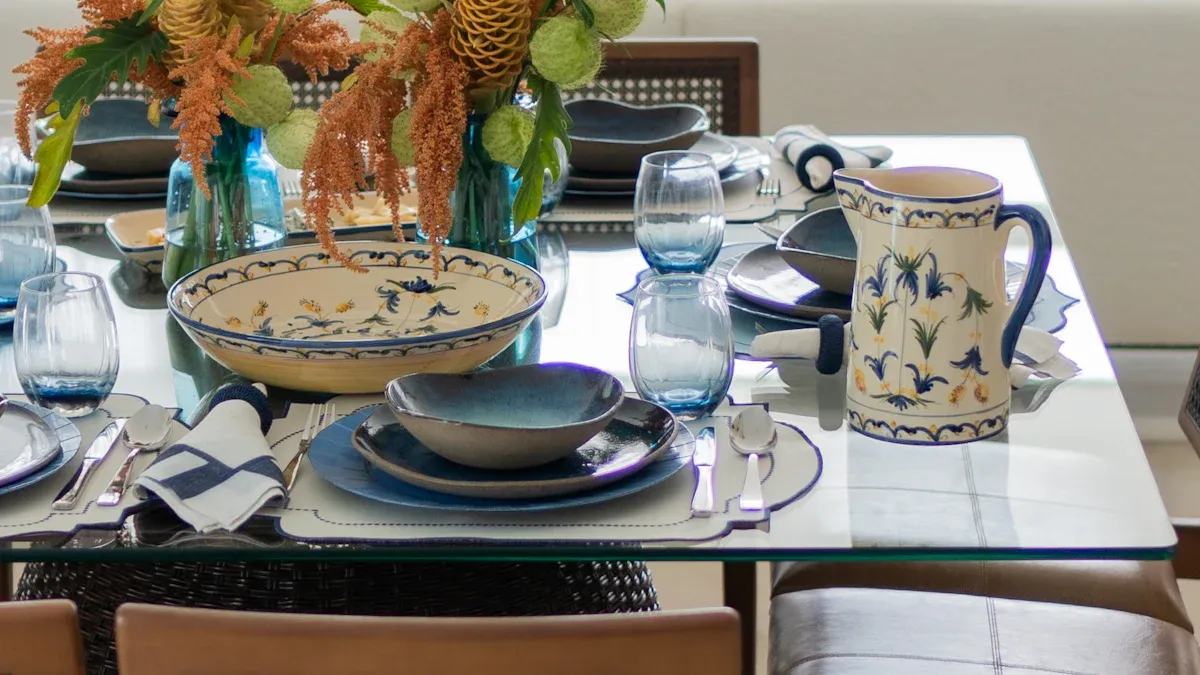
Nautical Theme: Pair sky blue and navy with whitewashed wood and rattan for a breezy atmosphere.
Dramatic Contrast: Use crisp white walls with bold black or navy furniture, adding pops of color for striking visuals.
Rich and Tranquil: Deep green walls with oak or walnut furniture create a serene environment, balanced with lighter accents.
Bold Primary Colors: Layer red, yellow, and blue over neutrals to energize spaces like playrooms.
Establishing a focal point in your room can help guide attention and create a sense of purpose. Balance is key, so distribute visual weight evenly across the space using color, texture, and furniture placement. This approach ensures that your design feels harmonious and cohesive.
Common Elements
Identifying common elements among different styles can help you achieve a cohesive look. These elements can include materials, finishes, or design motifs. Here are some tips to keep in mind:
Use a spectrum of earth tones, like light terra cotta and spicy rust, instead of repeating the same colors.
Incorporate various textures and materials, such as leather, rattan, bouclé, and faux fur, to create a dynamic color palette.
Utilize vibrant colors in muted hues, like soft turquoise, emerald, and marigold, which can complement warm neutral palettes.
By blending different aesthetics harmoniously, you maintain a balanced feel in your space. For example, pairing modern pieces with vintage items that share a similar color palette or wood finish can create a harmonious blend.
Avoid common mistakes when choosing your primary and secondary styles. Here are a few to watch out for:
Using one accent color can lead to a one-dimensional space; instead, apply the 60-30-10 rule for a balanced color scheme.
Ignoring your home’s architecture can result in poor color choices; always consider existing elements like flooring.
Disregarding the atmosphere you want to create can lead to an unsuitable color palette for the intended vibe of the room.
By keeping these tips in mind, you can successfully mix and match styles while achieving a cohesive look that reflects your personality.
Conduct a Home Audit
Assess Existing Décor
Before diving into new décor ideas, take a moment to assess what you already have. This step helps you understand your current style and what might fit into your new vision. Here’s a handy checklist to guide you:
Furniture: Look at your sofas, chairs, tables, and bookshelves. Are they in good shape? Do they match your desired style?
Electronics: Check your TV, sound system, and any gaming consoles. Do they blend with your décor?
Appliances: Consider your lighting fixtures and heating units. Are they modern or outdated?
Decor and Accessories: Evaluate your wall art, mirrors, and decorative items. Do they reflect your personality?
Miscellaneous: Don’t forget about books, magazines, and any collectibles. Are they worth keeping?
By reviewing these items, you can decide what to keep and what to replace.
Keep or Replace
Once you’ve assessed your décor, it’s time to make some decisions. Ask yourself these questions:
Does this item bring you joy or serve a purpose?
Can I repurpose or upcycle this piece instead of replacing it? Remember, repurposing reduces waste and supports the circular economy. Instead of throwing away old furniture, consider upcycling. For example, you can turn old wooden crates into a rustic bookshelf.
Seasonal trends can also influence your choices. Keeping your home up-to-date with seasonal color trends is a fun way to refresh your living space. The way you present your home reflects your personality, so don’t hesitate to change things up!
Ultimately, the best approach is to blend the old with the new. By thoughtfully deciding what to keep or replace, you can create a unique space that feels just right for you.
Tips for Design and Selection
Layering Textures
Layering textures adds depth and visual interest to your space. Here are some effective methods to achieve this:
Start with a Neutral Base: Choose neutral furniture as your foundation. This allows the layered textures to shine without overwhelming the space.
Mix Materials: Combine different materials, like pairing a leather sofa with a chunky knit throw. This contrast creates a cozy and inviting atmosphere.
Play with Patterns: Use a cohesive color scheme to mix patterns without clashing. For example, you can pair a floral print with stripes in similar hues.
Consider the Scale: Vary the scale of textures. Pair bold, oversized patterns with smaller, more subtle ones to create contrast and balance.
Layer Vertically and Horizontally: Use both vertical and horizontal spaces effectively. This approach can help you create a dynamic look.
Don’t Overcrowd: Maintain negative space to allow textures to stand out. Too many textures can make a room feel chaotic.
Seasonal Changes: Update textures seasonally for a fresh look. Swap out heavier fabrics for lighter ones in warmer months.
Neutral Base with Color
Using a neutral base allows you to introduce colorful accessories that enhance your design. Here are some ways to do this effectively:
Method | Description |
|---|---|
Colorful Rug | Use a rug with a colorful pattern to add interest and ease into more colorful décor. |
Bright Accessories | Group like-colored accessories for impactful pops of color that maintain cohesion in a neutral space. |
Flowers and Plants | Incorporate colorful arrangements or plants for organic elements and vibrant hues. |
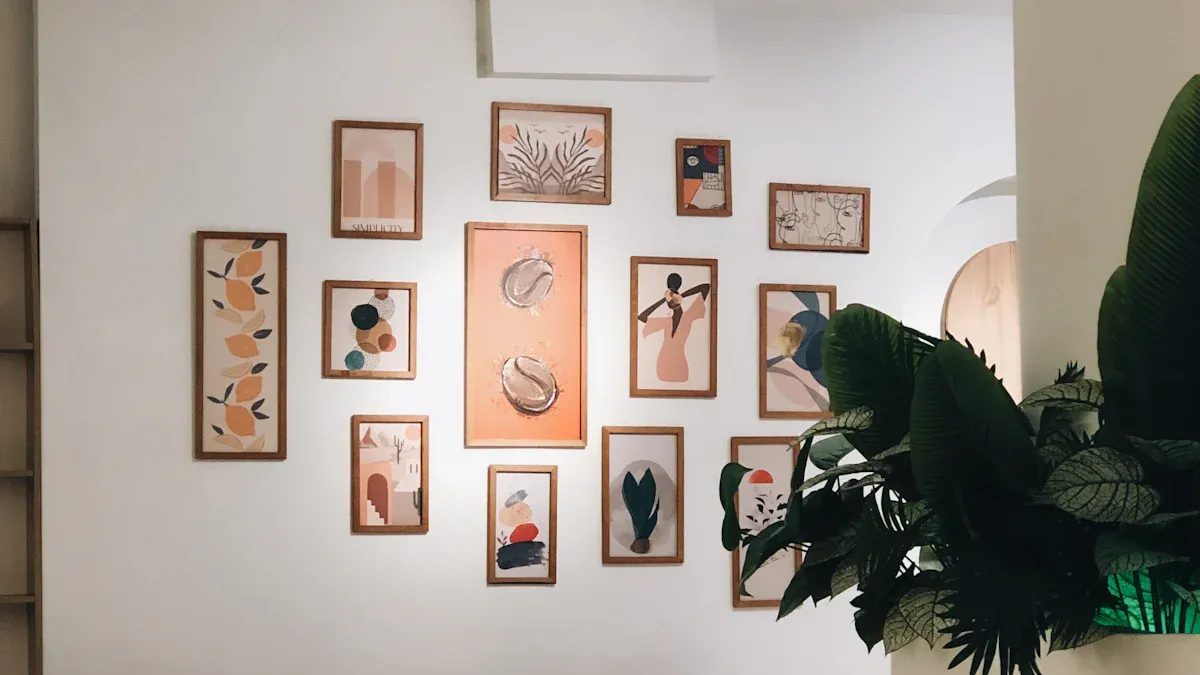
Artistic Pieces | Use artwork to introduce color while keeping furnishings monochromatic for a gallery-like feel. |
Statement Piece | A single colorful furniture piece can add a bold touch while coordinating with neutral elements. |
By starting with soft colors in small doses, you can transition from a neutral palette to a more vibrant space. Remember, using a single accent color can create a dynamic yet cohesive design. This approach allows you to express your personality while maintaining a balanced look.
Embrace these tips to create a unique and inviting atmosphere in your home!
Mixing and matching home décor styles can truly transform your space into a reflection of your personality. Here are some key takeaways to remember:
Assess your personal style to ensure your décor reflects your identity.
Create a balanced color palette using the 60-30-10 rule for visual harmony.
Start with a neutral base to provide flexibility in mixing styles.
Don’t hesitate to experiment! You can create a unique atmosphere that feels just right for you. So, gather inspiration, trust your instincts, and take that first step in your design journey. Your dream space awaits! 🌟
FAQ
What are some popular home décor styles to mix?
You can mix styles like traditional, contemporary, and eclectic. Each brings unique elements. Combining multiple design styles creates a personalized look that reflects your taste.
How can I stay within my budget while decorating?
Set a clear budget before starting. Focus on key pieces and consider DIY projects. Thrift stores and online marketplaces can help you find unique items without overspending.
Can I mix different colors in my home décor?
Absolutely! Use the 60-30-10 rule for color balance. Choose a dominant color, a secondary one, and an accent color. This approach keeps your space cohesive and visually appealing.
How do I choose a primary style for my home?
Start by assessing your preferences. Think about what makes you feel comfortable and happy. Your primary style should resonate with your personality and lifestyle.
Is it okay to mix vintage and modern pieces?
Yes! Mixing vintage and modern pieces can create a dynamic look. Just ensure they share common elements, like color or material, to maintain harmony in your space.