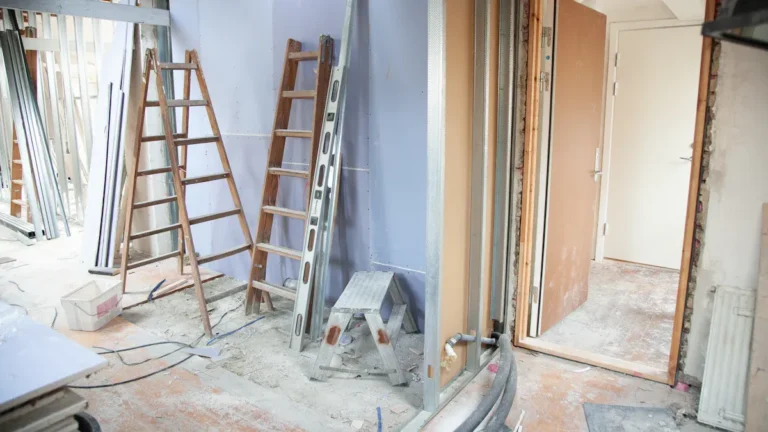

When tackling a home improvement project, having the right tools can make all the difference. Imagine trying to hang a shelf without a level or hammer. Frustrating, right? The right tools not only simplify tasks but also boost your efficiency. As a DIY homeowner, you’ll want to consider what tools you need for your next project. Whether you’re fixing a leaky faucet or renovating a room, being prepared sets you up for success!
Key Takeaways
Having the right tools, like hammers and tape measures, is essential for successful home improvement projects.
Invest in quality power tools, such as drills and saws, to enhance efficiency and accuracy in your work.
Always prioritize safety by using protective gear like safety glasses and gloves to prevent injuries during DIY tasks.
Regular maintenance of your tools, including cleaning and proper storage, extends their lifespan and improves performance.
Consider renting tools for short-term projects to save money and space while still getting the job done effectively.
Hand Tools for Home Renovation
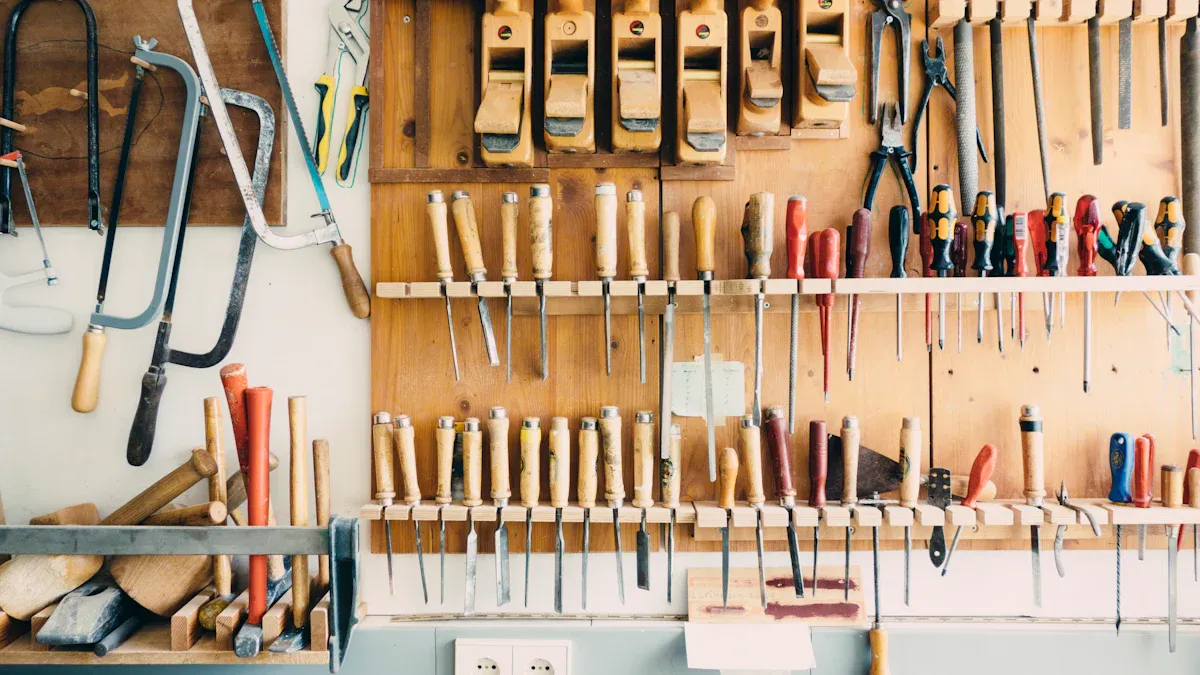
When you dive into a home renovation, hand tools play a crucial role in your success. They help you achieve precision and quality in your work. Let’s explore three must-have tools that every DIY homeowner should have in their toolkit.
Hammers
A hammer is one of the most essential tools in any renovation project. It’s not just about pounding nails; different types of hammers serve various purposes. For instance, a utility claw hammer is perfect for general tasks, while a framing hammer is heavier and designed for larger nails. Here’s a quick look at some common hammer types:
Hammer Type | Weight (oz) | Best Use |
|---|---|---|
Utility Claw Hammer | 14-18 | General nail driving and removal |
Framing Hammer | 22-24 | Pounding larger nails |
Electrician’s Hammer | Mid-weight | Reaching into deeper cavities |
Sledgehammer | N/A | Demolishing walls |
Using the right hammer ensures secure installations and helps you avoid frustration during your projects.
Tape Measures
Accurate measurements are vital in any home improvement project. A tape measure allows you to estimate material quantities and place objects correctly. Investing in a quality tape measure can significantly improve your workflow. Dual-scale tape measures are particularly useful, as they cater to various tasks, from quick jobs to heavy-duty construction. Remember, even a small error in measurement can lead to costly mistakes!
Levels
A level is another indispensable tool for ensuring proper alignment. Whether you’re hanging shelves or installing cabinets, using a level eliminates guesswork. Traditional bubble levels are great, but digital levels offer enhanced accuracy and features like auto-calibration. They’re especially useful in challenging conditions, such as poor lighting or uneven surfaces. With a level, you can confidently tackle any renovation task without worrying about misalignment.
Must-Have Power Tools
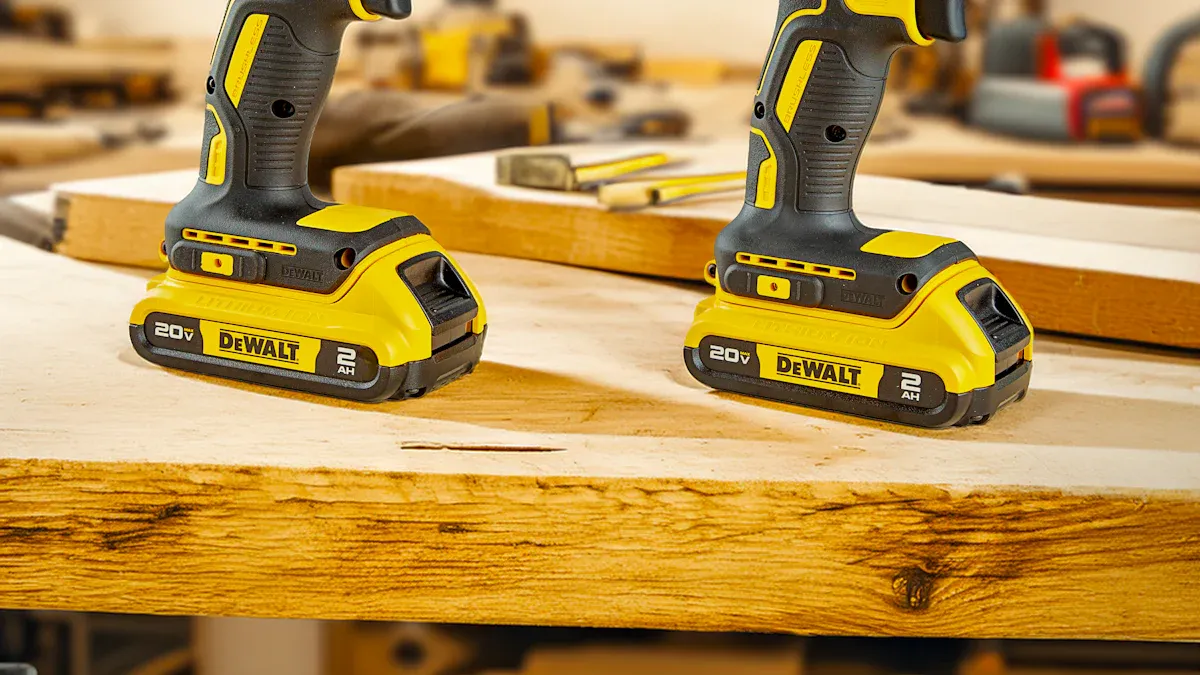
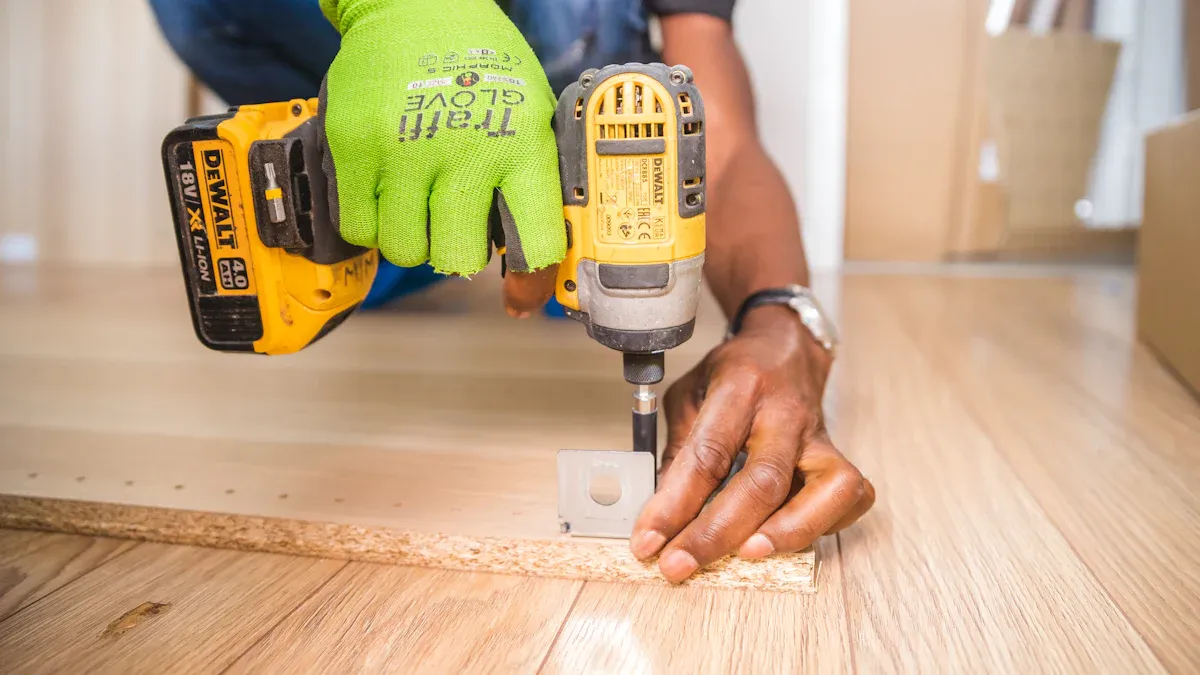
Power tools can transform your home improvement project from a daunting task into a smooth experience. They save you time and enhance the quality of your work. With the right power tools, you can tackle various tasks efficiently. Let’s dive into three essential power tools every DIY homeowner should consider.
Power Drills
A power drill is a versatile tool that you’ll find invaluable. It allows you to drill holes and drive screws with ease. When choosing a drill, consider features like chuck size, clutch settings, and speed control. Here’s a quick overview of what to look for:
Feature | Description |
|---|---|
Chuck Size and Type | Most drills have a 3/8-inch chuck; some have a 1/2-inch chuck for larger bits. Keyless chucks allow for easy bit changes. |
Clutch Settings | Adjustable clutches prevent overdriving screws and protect the motor. More settings offer finer control. |
Speed Range and Control | Typically, drills have two speed ranges (e.g., 300 RPM for screws, 800 RPM for drilling). Variable speed control allows for precise adjustments. |
With a good power drill, you can complete tasks quickly and accurately.
Saws
Saws are another must-have tool for your renovation projects. They come in various types, each serving a unique purpose. For example, circular saws are perfect for straight cuts, while jigsaws excel at intricate designs. Here’s a quick comparison of different saw types:
Saw Type | Versatility Description |
|---|---|
Jigsaw | Ideal for freehand cuts, curves, and irregular shapes; versatile for various materials but limited in thickness. |
Circular Saw | Excellent for straight cuts in wood, plywood, and thin metals; offers flexibility in cutting scenarios. |
Reciprocating Saw | Best for demolition and rough cuts; can handle a variety of materials including wood, metal, and masonry. |
Choosing the right saw can make your cutting tasks easier and more precise.
Nail Guns
Nail guns are game-changers for any DIY homeowner. They speed up the nailing process and ensure a strong hold. However, safety is crucial when using them. Here are some essential safety tips:
Wear safety glasses and gloves.
Inspect the nail gun before use.
Keep your work area clean and organized.
Always point the nail gun away from yourself and others.
By following these precautions, you can enjoy the benefits of nail guns while staying safe.
Safety Equipment for Projects
When you dive into a home renovation, safety should always be your top priority. Using the right safety equipment can help you avoid common injuries that often occur during DIY projects. Here are three essential pieces of safety gear you should never overlook.
Safety Glasses
Safety glasses are crucial for protecting your eyes from flying debris and dust. They can prevent painful eye injuries that can happen in an instant. Look for glasses that meet the ANSI Z87.1 certification. This ensures they provide adequate impact protection. Here are some features to consider:
High impact resistance
Non-conductive materials
Anti-fog and anti-scratch coatings
Wearing safety glasses can save you from a trip to the emergency room!
Gloves
Gloves are your first line of defense against cuts, abrasions, and chemical exposure. Different types of gloves protect against specific hazards. For example, cut-resistant gloves help prevent cuts and punctures, while neoprene gloves are great for handling chemicals. Here’s a quick look at some glove types and the hazards they address:
Glove Type | Hazard Addressed |
|---|---|
Cut-resistant gloves | Cuts and punctures |
Neoprene/Nitrile/Latex | Chemical handling |
Leather/Thermal gloves | Heat or abrasion hazards |
Padded/Reinforced gloves | Vibration or impact risks |
Wearing the right gloves can make your work safer and more comfortable.
Dust Masks
Dust masks are essential when working with materials that may release harmful particles. They help prevent inhalation of dust, lead, or asbestos. Look for masks that meet recommended standards, like the SoftSeal N-95 Respirator. This mask features a secure fit and multiple layers for maximum protection. Here are some benefits of using dust masks:
They filter out harmful particles.
They keep your lungs safe during renovation tasks.
By investing in quality safety equipment, you can significantly reduce the risk of injuries like cuts, lacerations, and eye injuries. Remember, safety gear is not just an option; it’s a necessity for any home improvement project!
Additional Must-Have Tools
When you’re diving into a home improvement project, having the right tools can really enhance your efficiency and safety. Here are three additional must-have tools that can make your DIY tasks smoother.
Utility Knives
A utility knife is a versatile tool that you’ll find handy for various cutting tasks. Whether you’re scoring drywall, cutting insulation, or trimming materials, a good utility knife can make your life easier. Look for models with safety features like:
Blade locks to prevent accidental closure.
Ergonomic grips for better control.
Anti-slip materials to enhance grip, especially in wet conditions.
These features help reduce the risk of injury while ensuring you get clean cuts every time.
Stud Finders
Finding studs behind drywall is crucial for securely mounting fixtures. A stud finder helps you locate these hidden supports, ensuring your renovations are structurally sound. Modern stud finders use advanced technologies like capacitive sensing and radio frequency to improve accuracy. Here’s a quick look at some features:
Technology Type | Description |
|---|---|
Capacitive Technology | Detects changes in density behind walls, identifying wood, metal, and wiring. |
Intelligent Models | Use multiple sensors to filter out false positives, ensuring reliable results. |
Bluetooth Integration | Connects to apps for enhanced data visualization and storage. |
With a reliable stud finder, you can confidently hang shelves or artwork without worrying about damaging your walls.
Pressure Washers
Pressure washers are fantastic for preparing surfaces before painting or repairs. They effectively remove dirt, grime, mold, and old paint, ensuring a clean surface for new paint. Here’s why you should consider one:
They save time compared to manual scrubbing.
A clean surface ensures better paint adhesion, preventing peeling.
They help identify repair needs like cracks before you start painting.
Investing in a pressure washer can make your home improvement projects more efficient and lead to better results.
In this blog, we covered essential tools for your home improvement projects, including hand tools like hammers and tape measures, power tools such as drills and saws, and safety equipment. Investing in high-quality tools pays off in the long run. They save you money due to their durability and reliability. Plus, they enhance your productivity, allowing you to complete projects faster.
To keep your tools in top shape, remember these maintenance tips:
Regularly clean your tools to remove dust and grime.
Lubricate moving parts to prevent rust and ensure smooth operation.
Store tools properly to protect them from damage.
By taking care of your tools, you can extend their lifespan and improve performance. What tools have you found most helpful in your projects? Feel free to share your experiences or ask questions!
FAQ
What tools do I need for a basic home improvement project?
For a basic home improvement project, you’ll need essential hand tools like hammers, tape measures, and levels. Power tools such as drills and saws also help. Don’t forget safety gear like gloves and safety glasses!
How can I ensure my tools last longer?
To extend your tools’ lifespan, clean them regularly, lubricate moving parts, and store them properly. Avoid leaving them exposed to moisture or extreme temperatures. Proper maintenance keeps your tools in top shape for future projects.
Are power tools safe to use?
Yes, power tools are safe when used correctly. Always read the manual, wear appropriate safety gear, and follow safety guidelines. Familiarize yourself with the tool’s features and practice safe handling to prevent accidents.
How do I choose the right saw for my project?
Choosing the right saw depends on your project needs. For straight cuts, a circular saw works best. For intricate designs, opt for a jigsaw. Assess the materials you’ll cut to select the most suitable saw.
Can I rent tools instead of buying them?
Absolutely! Renting tools is a great option if you only need them for a short time. Many home improvement stores offer tool rental services. This approach saves money and space in your home.