


When you think about a home renovation, budgeting often feels like the hardest part. Did you know that approximately 78% of home renovation projects go over budget? Many homeowners face common challenges, like being unrealistic about what they can achieve or under budgeting for their projects. It’s essential to recognize these pitfalls. However, with careful planning, you can successfully plan a home renovation that stays within your budget. Remember, a little foresight can lead to big savings and a beautiful transformation!
Key Takeaways
Start with a solid budget. Assess your financial options to set a realistic spending limit for your renovation.
Prioritize must-haves over nice-to-haves. Focus on essential renovations that improve functionality and value.
Keep track of expenses. Use tools like Google Sheets or apps to monitor spending and stay within budget.
Invest in quality materials. Choose durable options that enhance your home’s appeal and save money in the long run.
Create a detailed renovation timeline. Plan your project phases to avoid delays and ensure smooth execution.
Budgeting Basics

Assessing Financial Options
Before diving into your home remodel, you need to assess your financial situation. This step is crucial for setting a budget that works for you. Here are some common financial options to consider:
Home Equity Loan: This secured loan is based on your home’s value. It provides a lump sum with fixed terms, making it a popular choice for larger renovations.
Credit Cards: While useful for minor renovations, be cautious. They can lead to high-interest debt if used for bigger projects.
Personal Loans: These short-term loans may have high upfront costs and interest rates, so weigh your options carefully.
Home Equity Line of Credit (HELOC): This open credit line is secured by your home, allowing flexible access to funds as needed.
Refinancing Mortgages: You can replace your current mortgage with a larger one to access cash for renovations.
Dedicated Home Improvement Loans: These loans are specifically for home upgrades, offering fixed rates and predictable payments.
When choosing a financial option, consider your project’s scope and your ability to repay the loan.
Calculating Costs
Once you’ve assessed your financial options, it’s time to calculate costs. Start by breaking down your renovation into specific areas. Here’s a typical cost breakdown for common home renovation projects:
Renovation Type | Percentage of Budget |
|---|---|
Kitchen | 15-30% |
Bathroom | 10-25% |
Structural Changes | 10-25% |
Living Spaces | 5-20% |
Plumbing | 5-20% |
Electrical | 5-20% |
HVAC | 5-20% |
Windows & Doors | 5-20% |
Demolition | 5-20% |
Architect/Designer Fees | 5-20% |
Contingency Fund | 5-10% |
It’s wise to add a contingency buffer of 10% to 20% of your total project budget for unexpected expenses. For smaller projects, aim for around 10%. If you’re working on larger or older homes, consider budgeting closer to 20% due to the higher risk of surprises.
Avoid common budgeting mistakes, such as setting an unrealistic budget or not accounting for the original architectural style. These oversights can lead to costly adjustments later on. By taking the time to set a budget and calculate costs accurately, you can ensure your renovation stays on track and within your financial means.
Prioritizing Home Renovation Projects
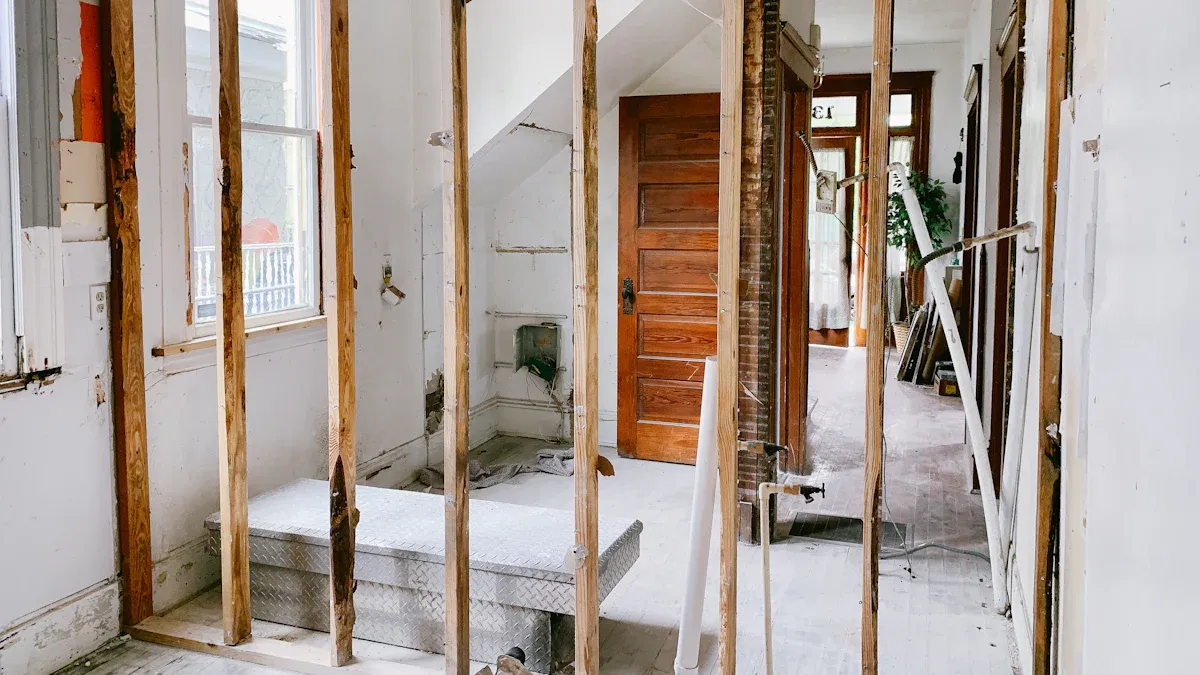
Must-Haves vs. Nice-to-Haves
When planning a home remodel, it’s crucial to distinguish between must-haves and nice-to-haves. This distinction helps you allocate your budget effectively and ensures that you focus on what truly matters. Here are some tips to help you identify these priorities:
Identify Functional Needs: Think about what your home truly needs. For example, if you lack a master bathroom or sufficient kitchen storage, these should be at the top of your list.
Separate Nice-to-Haves: Features like a wine fridge or heated floors can enhance comfort but aren’t essential. Save these for later if your budget allows.
Focus on Primary Goals: Determine your main renovation goals. Are you looking to increase your home’s value, improve functionality, or refresh outdated spaces? This clarity will guide your decisions.
Common must-have projects identified by homeowners often include:
Water heater, dishwasher, or garbage disposal replacement
HVAC addition or replacement
Flooring, carpeting, or ceiling tile replacement
Plumbing fixture addition or replacement
Window or door addition or replacement
Roof replacement
Landscaping or sprinkler system addition or replacement
Security system addition or replacement
Bathroom remodel
Fencing addition or replacement
Electrical wiring or breaker switch addition or replacement
Driveway or walkway addition or replacement
By prioritizing these essential renovations, you can ensure that your home remains functional and comfortable while staying within your budget.
Creating a Renovation Timeline
Once you’ve identified your must-haves, it’s time to create a renovation timeline. A well-planned timeline helps you avoid delays and keeps your project on track. Here are some factors to consider:
Alignment with Spouse or Partner: Make sure both of you agree on the budget and design. Disagreements can lead to delays.
Communication Issues: Schedule regular meetings with your contractor to prevent miscommunication and rescheduling.
Decision Fatigue: Work with a design-build team to streamline decision-making. This approach keeps the project moving smoothly.
Scope Creep: Be cautious of changes during the project. Adding new features can extend your timeline significantly.
Contractor Familiarity: Choose a contractor who understands local regulations. This choice can help avoid permit-related delays.
Design Commission Delays: Be prepared for potential delays from local design committees reviewing your plans.
Undefined Financing Plan: Have your financing in order before starting. This preparation prevents delays related to loan approvals.
To give you an idea of how long different types of renovations typically take, here’s a quick reference table:
Renovation Type | Average Timeline |
|---|---|
Major Kitchen Remodel | 8 weeks |
Bathroom Remodel | 6-8 weeks |
Two-story Addition | 3-4 months |
Whole-house Renovation | 4-6 months |
Exterior-only Renovation | 2-4 months |
By creating a realistic timeline, you can manage expectations and ensure that your home renovation stays on track and within your budget.
Researching Affordable Materials
Finding Budget-Friendly Suppliers
When it comes to your home remodel, finding budget-friendly suppliers can make a significant difference in your overall costs. Here are some tips to help you secure the best deals:
Early Ordering: Order materials in advance. This strategy helps you avoid delays and last-minute substitutions that can inflate costs.
Researching Suppliers: Compare prices and seek recommendations. This approach can lead you to reputable suppliers with competitive pricing and potential discounts.
Exploring In-Stock Options: Opt for readily available materials. Choosing in-stock items saves time and reduces costs associated with special orders.
Remember, prices for renovation materials can vary significantly between big-box stores and specialty suppliers. Always compare quotes from multiple sources. The lowest price might not always offer the best value. Consider factors like delivery speed, return policies, and after-sales support when evaluating overall costs.
Planning Layouts and Fixtures
Planning your layouts and fixtures in advance is crucial for keeping your renovation costs down. Here’s why:
Define Fixture Locations Early: This step eliminates guesswork for builders, electricians, and plumbers. A clear plan leads to a smoother installation process.
Prevent Complications: By knowing where everything goes, you can avoid costly last-minute changes related to existing plumbing and electrical placements.
Thoughtful Selections: Choosing fixtures that fit your design vision contributes to a polished final look while maintaining design integrity. This foresight ultimately saves you money.
Investing in quality materials is essential, especially in critical areas like kitchens and bathrooms. High-quality options enhance durability and appeal, positively affecting your return on investment. While it may be tempting to cut corners, remember that poor material choices can lead to increased maintenance costs and lower resale value.
By researching affordable materials and planning your layouts carefully, you can achieve a stunning home remodel without breaking the bank.
DIY Renovation Budget Strategies
When to DIY
Taking on a DIY project can be a great way to save money and add a personal touch to your home. In fact, about 62% of American homeowners plan to tackle some renovations themselves. If you’re handy and enjoy working with your hands, consider these factors before diving in:
Skill Level: Assess your skills honestly. If you have experience with tools and home repairs, you might be ready for a bigger project.
Project Complexity: Simple tasks like painting or landscaping are perfect for DIY. However, complex jobs like electrical work or plumbing are best left to professionals.
Time Commitment: DIY projects can take longer than expected. Make sure you have the time to dedicate to your renovation.
Remember, while DIY can save you money, it’s essential to know your limits.
Hiring Professionals
Sometimes, hiring a professional is the best choice. Although it may seem costly, the benefits often outweigh the expenses. For instance, hiring contractors can save you from costly mistakes. In Boston, MA, labor costs can range from $70 to $130 per hour. For larger projects, total costs can reach around $30,000, excluding materials. This highlights the potential savings when you choose DIY wisely.
However, consider these risks of DIY:
Legal Issues: Some projects require permits. Failing to obtain them can lead to fines.
Safety Hazards: Inexperienced homeowners may face injuries or property damage.
Resale Value: Poorly done renovations can hurt your home’s value. Professional work often enhances it.
Ultimately, weigh the pros and cons of DIY versus hiring professionals. If you choose to DIY, plan your budget for DIY projects carefully. This approach ensures you stay on track and achieve the results you want without overspending.
Tips for Staying on Budget
Tracking Expenses
Keeping track of your expenses is vital for staying within your budget during a remodel. Here are some effective methods to help you monitor your spending in real time:
Collect Receipts via Email: This method makes it easy to access your records anytime.
Take Pictures of Physical Receipts: If you can’t email them, snapping a quick photo keeps your records intact.
Organize Physical Receipts: Use a designated box to store all your receipts. This way, you won’t lose any important documents.
Utilize Google Sheets: This tool allows you to categorize and analyze your expenses efficiently.
Method | Description | Pros | Cons |
|---|---|---|---|
Traditional Methods | Using spreadsheets or pen and paper | Flexible | Requires constant updates |
Hiring a Project Manager | Financial tracking as part of project management | Professional oversight | Expensive, may lack precision |
Dedicated Tools | Automated renovation tracking tools | Efficient, user-friendly | May require a learning curve |
Regularly reviewing your budget helps you stay aligned with your project goals. Conduct financial audits to spot discrepancies and areas for cost reduction. This proactive approach can save you from overspending.
Using Design Apps
Design apps can be game-changers for visualizing your renovation plans. They help you avoid costly mistakes and streamline your decision-making process. Here are some top-rated apps to consider:
Chairish – Average rating: 4.3, Cost: Free
Home Improvement Calcs – Average rating: 4.8, Cost: $4.99
Houzz – Average rating: 4.7, Cost: Free
Pinterest – Average rating: 4.7, Cost: Free
iScape – Average rating: 4.6, Cost: Free (in-app purchase for plans)
Using these apps allows you to visualize your vision clearly. You can experiment with different layouts risk-free, saving time and money. Inputting exact room dimensions and furniture sizes eliminates guesswork, ensuring everything fits perfectly. Plus, designing in 3D boosts your confidence, making you feel like a pro.
By tracking your expenses and utilizing design apps, you can keep your remodel on budget while achieving the results you desire.
Planning a successful home renovation on a budget is all about careful preparation and prioritization. By following the steps outlined in this blog, you can avoid common pitfalls and make informed decisions. Here are some key takeaways to remember:
Key Takeaway | Description |
|---|---|
Importance of Planning | Detailed planning helps avoid costly changes and delays, ensuring smooth project execution. |
Material Selection | Investing in high-quality materials enhances aesthetics and durability, leading to long-term satisfaction. |
Effective Communication | Regular updates and clear expectations between homeowners and contractors prevent misunderstandings. |
To kickstart your renovation journey, consider these actionable steps:
Have a solid plan in place.
Determine your must-haves.
Keep your cost estimates.
Set a firm ceiling on your budget.
Get multiple bids from contractors.
With these strategies, you can confidently embark on your home remodel, ensuring it stays within budget while achieving your vision.
