
Have you ever walked into a room and felt instantly at home? The right home décor can make all the difference. Not only does it enhance the beauty of your space, but it also boosts functionality. Studies show that 84% of homeowners want to spend more time in upgraded homes, and 69% report enjoying their residences more after redecorating. When you choose the right home décor, you create a personal sanctuary that reflects your style. So, think about what each room needs to feel just right.
Here are some decorating tips to consider:
Balance aesthetics with function.
Use multi-functional furniture to maximize space.
Prioritize comfort in your layout.
Key Takeaways
Choose colors that reflect your mood. Warm colors energize, while cool colors promote relaxation.
Select multi-functional furniture to maximize space and enhance functionality in every room.
Create a calming bedroom atmosphere by focusing on temperature, noise, and light for better sleep.
Incorporate natural elements and ergonomic furniture in your home office to boost productivity and comfort.
Personalize your space with meaningful decor to create a home that truly reflects your style.
Living Room: Choose the Right Home Décor
Color Schemes
Choosing the right color scheme for your living room sets the tone for the entire space. You want a palette that not only looks good but also feels good. Popular choices include variations of green, especially sage. In fact, more than half of interior designers selected sage as the top living room paint color for 2022, according to a survey from Fixr. This color complements wood furniture beautifully and pairs well with other shades like blue, yellow, or gold.
Color psychology plays a significant role in how you feel in your living room. Different colors can evoke specific emotional responses. For example, blue is often associated with calmness, making it a great choice if you want a peaceful atmosphere. Here are some key points to consider:
Warm Colors: Reds and oranges can energize a space, making it lively and inviting.
Cool Colors: Blues and greens promote relaxation and tranquility.
Neutral Colors: Whites, grays, and beiges provide a versatile backdrop that allows you to add colorful accents.
When you choose the right home décor, think about how these colors will influence your mood and the overall vibe of your living room.
Furniture Selection
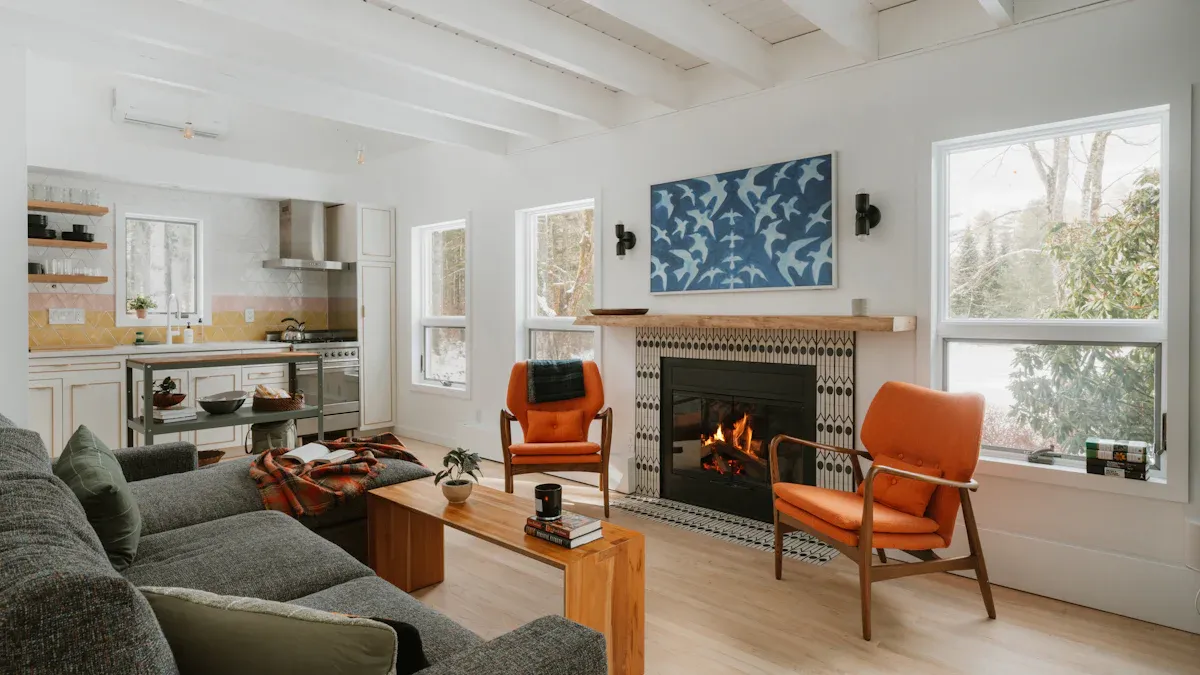
Once you’ve settled on a color scheme, it’s time to focus on furniture selection. The arrangement of your furniture can greatly affect how comfortable and functional your living room feels. Here are some tips to help you create a welcoming space:
Plan Your Layout: Avoid overcrowding by ensuring there’s enough space for movement. Create clear pathways to enhance usability.
Focal Point: Arrange seating around a focal point, like a fireplace or a television, so everyone has a clear view. This promotes conversation and comfort.
Area Rugs: Use area rugs to define different seating areas. They can help anchor your furniture and add warmth to the room.
For a living room designed for conversations, position seating to face each other. Place a coffee table in the center for easy access to drinks and snacks. Make sure there’s enough space around furniture for comfortable movement.
By carefully selecting your furniture and arranging it thoughtfully, you can create a living room that feels both stylish and functional. Remember, the goal is to choose the right home décor that reflects your personality while meeting your practical needs.
Bedroom Décor: Creating a Relaxing Space
Atmosphere
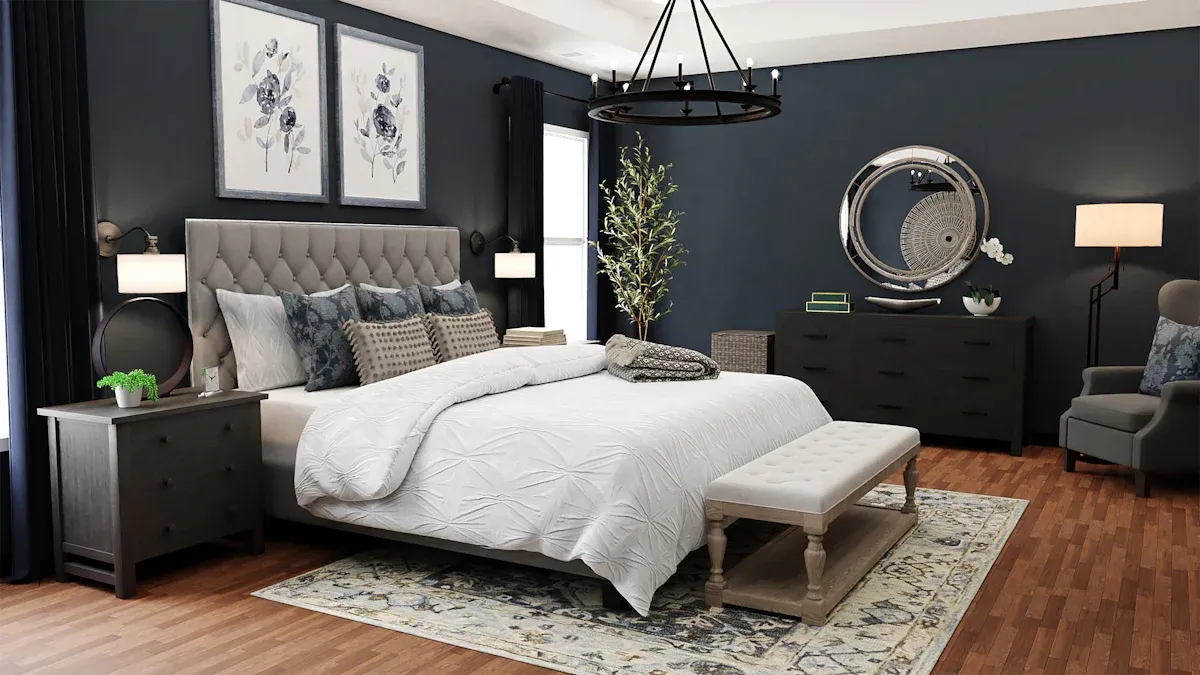
Creating a calming atmosphere in your bedroom is essential for a good night’s sleep. You want your space to feel like a sanctuary where you can unwind after a long day. Here are some key elements that contribute to a relaxing environment:
Element | Description |
|---|---|
Temperature | The ideal bedroom temperature for sleeping is around 65°F (18.3°C). This helps maintain a lower core temperature during sleep. |
Noise | A quieter bedroom is crucial. Loud noises can disrupt sleep and affect your health. White noise machines can help mask disturbances. |
Light | Natural light influences your circadian rhythms. Exposure to artificial light at night can delay sleep onset. |
Mattress and Bedding | The type of mattress you choose affects sleep quality. Newer mattresses may alleviate back pain and improve comfort. |
By focusing on these elements, you can create a bedroom that promotes relaxation and restful sleep.
Bedding and Furniture
When it comes to bedding and furniture, comfort is key. Start with your bedding. Opt for materials that enhance relaxation. Here are some recommended options:
Bedding Material | Description |
|---|---|
Cotton (Pima, Supima, Egyptian, Organic) | Known for breathability, softness, and durability. |
Linen | Highly durable and moisture-wicking, ideal for temperature regulation. |
Flannel | Soft and heavy, excellent for heat retention during cooler months. |
Polyester | Inexpensive and machine-washable, but may lack breathability. |
Bamboo | Soft, breathable, and durable, though often pricier than cotton. |
Next, consider your furniture choices. Essential pieces can make a big difference in your bedroom’s design. Here’s a quick list of must-haves:
Bed: The centerpiece of your bedroom, crucial for comfort and good sleep.
Nightstands: Convenient for storing essentials and enhancing decor.
Dressers: Offer additional storage for clothes, keeping your space organized.
Lighting: Essential for creating a relaxing ambiance; think about both ambient and task lighting options.
Additional Seating: Options like armchairs or benches can enhance functionality and comfort.
Color also plays a significant role in your bedroom’s design. A study by Travelodge found that individuals sleeping in blue rooms averaged nearly eight hours of restful sleep per night. Blue hues help lower blood pressure and heart rate, which are essential for relaxation.
By carefully selecting your bedding and furniture, you can create a bedroom that not only looks great but also feels like a peaceful retreat.
Kitchen: Functional Décor Choices
Practical Design
When it comes to your kitchen, practical design is key. You want a space that not only looks good but also works efficiently. Here are some essential elements to consider:
Durable Materials: Choose materials that can withstand daily wear and tear. For high-traffic areas, options like quartz or sintered stone are excellent choices.
Efficient Layout: Think about the work triangle—your stove, sink, and refrigerator should form a triangle for easy movement. A U-shaped layout offers ample storage and a dedicated cooking zone.
Smart Storage Solutions: Incorporate drawers instead of traditional cabinets for better access to your items. Pullouts and hidden pantries can maximize your storage space.
Task Lighting: Ensure you have adequate lighting for food preparation and cooking. Good lighting makes a huge difference in functionality.
Ventilation: Proper ventilation keeps your kitchen fresh and free from cooking odors.
By focusing on these practical design elements, you can create a kitchen that enhances your cooking experience.
Color and Materials
Color and materials play a significant role in your kitchen’s overall look. Here are some popular choices:
Timeless Whites & Soft Neutrals: Crisp white cabinets and warm grays create a clean, inviting atmosphere.
Warm Wood Tones: Lighter oaks and walnut finishes add a natural touch.
Bold Blues & Greens: Deep navy or muted sage can provide a pop of color without overwhelming the space.
Modern Black & Charcoal: These shades offer a dramatic effect and pair well with various materials.
When selecting materials, consider durability and maintenance. For example, quartz is non-porous and stain-resistant, making it easy to care for. Stainless steel is another great option, as it requires zero maintenance and is ideal for a busy kitchen.
By thoughtfully choosing your kitchen’s design, colors, and materials, you can create a space that is both functional and stylish.
Bathroom: Stylish and Functional Décor
Space Maximization
Maximizing space in your bathroom is crucial, especially if it’s on the smaller side. You want to create a stylish yet functional area. Here are some strategies to consider:
Corner Sinks: Tucking your sink into a corner opens up more room for movement.
Compact Toilets: Opt for smaller or wall-mounted models to save valuable space.
Smart Storage Solutions: Use vertical storage and recessed shelving to keep everything organized.
Light Colors and Reflective Surfaces: These can make your bathroom feel larger and more inviting.
Frameless Glass Showers: They eliminate visual barriers, enhancing the sense of space.
Minimalist Aesthetic: A clean design reduces clutter and creates an airy atmosphere.
By implementing these ideas, you can transform your bathroom into a more spacious and enjoyable environment.
Accessories
Accessories play a vital role in both style and functionality. They can enhance the overall aesthetic while keeping your space organized. Here’s a quick look at some essential accessories:
Accessory Type | Importance |
|---|---|
Bathroom Accessories Set | Provides an organized, uniform look, eliminating the hassle of mismatched items. |
Stylish Storage | Helps keep the bathroom tidy and functional, preventing clutter from detracting from décor. |
Decorative Towels | Adds color and texture, enhancing the visual appeal of the space. |
Storage Containers | Offers a stylish way to store essentials, contributing to both organization and design. |
Laundry Solutions | Keeps dirty laundry discreetly stored, maintaining the bathroom’s aesthetic. |
Toiletry Tray | Organizes small items neatly, contributing to a cohesive look in the bathroom. |
To add a personal touch, consider these additional accessories:
A hand soap dispenser for a stylish touch.
Colorful or patterned hand towels for added interest.
Baskets for toilet paper and towels for practical storage.
Attractive containers for cotton balls and swabs.
Beautiful laundry baskets to manage dirty clothes.
A tray to organize toiletries and add a decorative element.
By carefully selecting accessories, you can create a bathroom that is not only functional but also reflects your personal style.
Home Office: Choose the Right Décor for Productivity
Productive Environment
Creating a productive environment in your home office is essential for staying focused and motivated. You want a space that inspires you to work efficiently. Here are some key elements to consider:
Biophilic Design: Incorporating natural elements like plants can significantly boost your productivity. Studies show that having greenery around you not only enhances your mood but also improves your overall well-being.
Ergonomic Furnishings: Choose furniture designed for comfort and support. Ergonomic chairs and desks can accommodate various body types, helping you stay comfortable during long work hours.
Quiet Working Areas: Design your office to minimize distractions. A quiet space allows you to concentrate better and enhances your productivity.
Proper lighting is another crucial factor. It can make a world of difference in your concentration and work performance. Here’s how different types of lighting affect your workspace:
Natural Light: It improves your mood and energy levels, enhancing overall productivity.
Cooler Color Temperatures (4000K-5000K): These promote alertness and focus, ideal for tasks requiring concentration.
Warmer Color Temperatures (2700K-3000K): They create a relaxed environment, suitable for brainstorming and creative work.
Dimmable Fixtures: These allow you to adjust brightness according to the time of day or specific tasks, enhancing workspace functionality.
Task Lighting: Essential for detailed work, it reduces eye strain and improves visibility for focused tasks.
By ensuring your home office has the right lighting, you can reduce fatigue and improve your focus. Bright, well-distributed ceiling lighting is crucial for productivity, while dim or uneven lighting can lead to distractions.
Layout and Personalization
The layout of your home office plays a significant role in optimizing workflow. Here are some best practices for arranging your furniture:
Understand Your Work Requirements: Tailor your furniture choices to fit your specific tasks. For instance, if you often have video calls, position your desk to face a window for natural light.
Proper Desk and Chair Selection: Ensure your desk and chair support ergonomics. This helps prevent discomfort and allows you to work efficiently.
Organize Storage Effectively: Keep your workspace tidy by minimizing clutter. Use shelves and drawers to store supplies and documents, making it easier to find what you need.
Personalization is equally important. Adding personal touches to your office can enhance comfort and motivation. Here are some ideas:
Decorate with Meaningful Items: Display photos, artwork, or souvenirs that inspire you. This creates a connection to your workspace and boosts morale.
Incorporate Your Favorite Colors: Use colors that resonate with you. They can influence your mood and creativity.
Create a Vision Board: Hang a board with your goals and aspirations. This visual reminder can keep you motivated and focused on your objectives.
Personalization fosters creativity and innovation, encouraging out-of-the-box thinking. In fact, 61% of remote workers report feeling more productive after redesigning their home office.
By thoughtfully designing your home office, you can create a space that not only looks great but also enhances your productivity and job satisfaction.
Choosing the right home décor is all about blending your personal style with practical needs. Remember these key points:
Avoid common mistakes like prioritizing looks over functionality.
Measure your space before buying furniture to ensure a good fit.
Incorporate storage solutions from the start to keep clutter at bay.
Take your time selecting décor that truly reflects who you are. A well-decorated home can enhance your well-being and create a space where you feel comfortable and happy. So, go ahead and make your home a true reflection of you!