
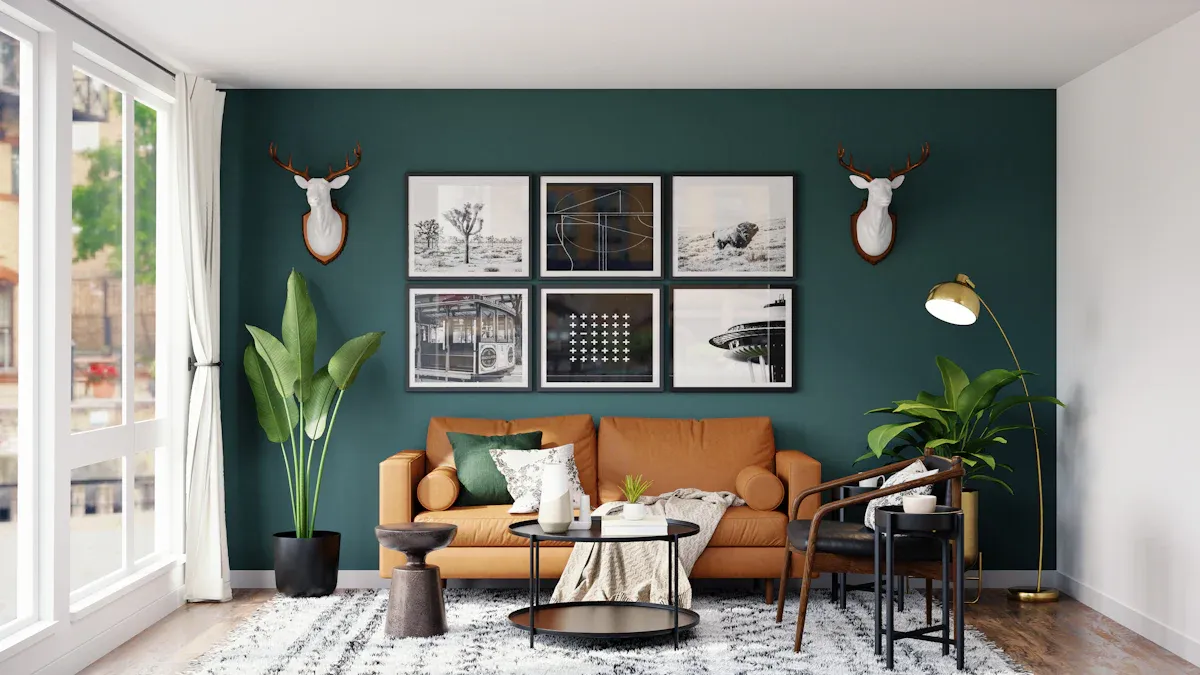
Your living room is more than just a place to sit; it’s the heart of your home. Transforming your living space can create a welcoming atmosphere that enhances your daily life. A well-designed room not only boosts aesthetic appeal but also promotes relaxation and encourages social interaction. By focusing on key aspects like layout, style, and personal touches, you can make your living room a true reflection of you. Let’s dive into the ultimate guide to hall colour design and discover how to elevate your space!
Key Takeaways
Evaluate your current living room décor to identify what works and what needs improvement. This helps create a space that reflects your style.
Set a budget before starting your transformation. Prioritize expenses to focus on functionality first, then aesthetics.
Choose a design style that resonates with you. Create a mood board to visualize your preferences and guide your choices.
Incorporate key décor elements like furniture, color schemes, and lighting to enhance the atmosphere of your living room.
Add personal touches and seasonal updates to keep your living room fresh and inviting. Small changes can make a big impact.
Evaluate Your Space
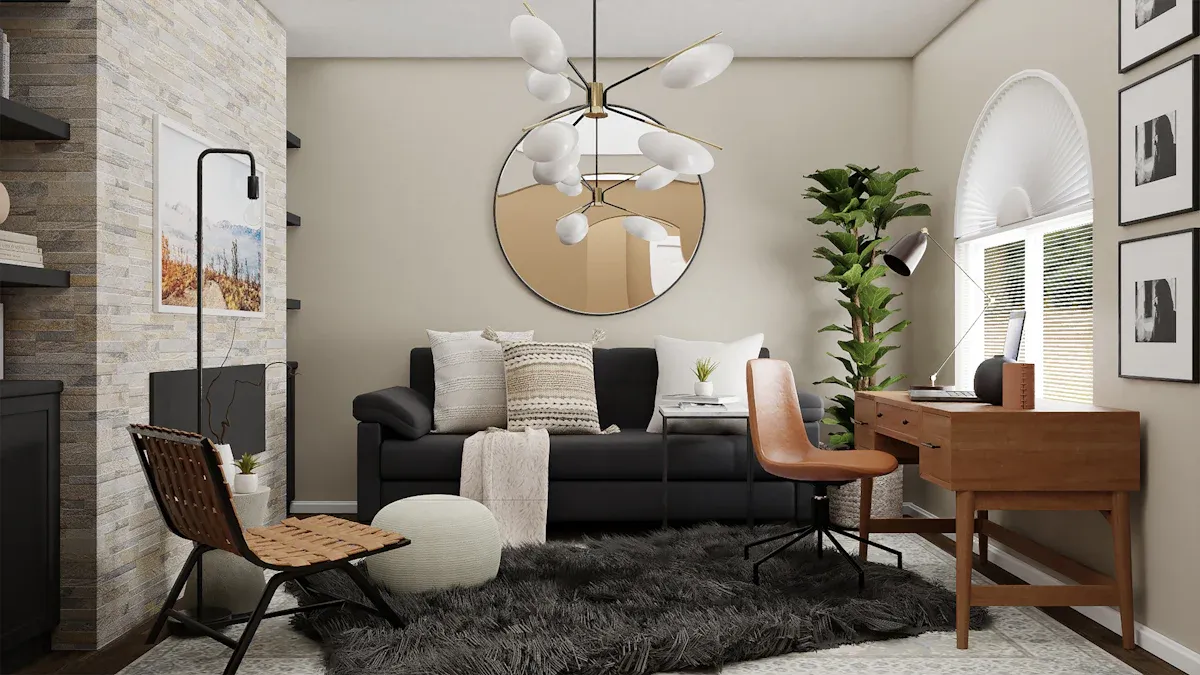
Assess Current Décor
Before diving into any transformation, take a moment to assess your current living room décor. This step is crucial because it helps you understand what works and what doesn’t. Start by looking around and asking yourself a few questions:
What do you love about your space?
Are there elements that feel out of place?
Does your furniture arrangement allow for easy movement?
To help you evaluate effectively, consider these key factors:
Key Factor | Description |
|---|---|
Furniture Arrangement | Assessing the current layout to optimize open space. |
Selection of Complementary Pieces | Choosing modern dining tables and chairs that enhance the living area. |
Cohesive Design Plan | Creating a design that ensures smooth visual transitions throughout the space. |
By understanding these aspects, you can pinpoint areas that need improvement.
Identify Needs and Goals
Next, it’s time to identify your needs and goals for the transformation. Think about how you use your living room. Is it a space for family gatherings, a cozy reading nook, or a place to entertain guests? Your lifestyle plays a significant role in shaping your design choices.
Homeowners can effectively identify their needs and goals for a living room transformation by assessing their lifestyle, functionality needs, and long-term design goals. Working with a design-build firm can be particularly helpful in clarifying these objectives, as these experts provide valuable industry knowledge and networks.
As you set your goals, keep in mind the importance of a functional layout. Here are some popular layouts to consider:
L-Shaped Layout: Creates a cozy and intimate setting, ideal for smaller spaces or areas with a focal point like a fireplace.
Floating Furniture Layout: Centers furniture in the room, creating distinct zones and enhancing spaciousness, perfect for large living rooms.
Zone Layout: Divides the room into functional areas, catering to multiple activities, making it versatile for families with diverse needs.
Avoid common mistakes when assessing your décor. For instance, selecting the right size rug is crucial. Rugs that are too small can make the room feel unbalanced. Designers recommend using larger rugs that fit under furniture groupings to enhance the room’s spaciousness and coziness. Additionally, over-accessorizing can create a cluttered look. Limit accessories to those that hold personal significance to maintain a clean and inviting atmosphere.
By evaluating your current décor and identifying your needs, you set a solid foundation for transforming your living room into a space that truly reflects your style and meets your lifestyle needs.
Set a Budget
Transforming your living room can be exciting, but it’s essential to set a budget before you start. Knowing how much you can spend helps you make informed decisions and avoid overspending. Here are some budgeting tips to get you started:
Budgeting Tips
Declutter First: Start by decluttering your space. This not only reduces stress but also helps you see what you truly need. You might find items you can repurpose or sell.
Repurpose Existing Furniture: Instead of buying new pieces, consider refreshing what you already have. A coat of paint or new upholstery can breathe new life into old furniture.
Affordable Paint and Wall Treatments: A fresh coat of paint can dramatically change the look of your room. Choose colors that reflect your style and create the mood you want.
Low-Cost Lighting Solutions: Lighting can transform your space. Look for budget-friendly options like floor lamps or string lights to enhance the ambiance.
DIY Decor: Get creative! Making your own decor can save money and add a personal touch to your living room.
Here’s a quick look at the average costs associated with a living room transformation project based on size:
Living Room Size | Average Remodel Cost (Urban) | Average Remodel Cost (Suburban) |
|---|---|---|
200 sq. ft. | $3,000–$12,000 | $2,000–$9,000 |
250 sq. ft. | $3,500–$15,000 | $2,500–$11,000 |
300 sq. ft. | $4,000–$18,000 | $3,000–$13,500 |
350 sq. ft. | $4,500–$21,000 | $3,500–$15,750 |
400 sq. ft. | $5,000–$24,000 | $4,000–$18,000 |
Prioritize Your Expenses
Once you have a budget in mind, it’s time to prioritize your expenses. Here are some strategies to help you focus on what matters most:
Repair Instead of Replace: If something is broken, see if you can fix it instead of buying new. This can save you a lot of money.
Focus on Functionality First: Make sure your living room works for you. Invest in practical improvements that enhance your daily life before worrying about aesthetics.
Upgrade Aesthetics Later: After you’ve tackled functional updates, consider how to enhance the room’s look. Start with budget-friendly options like paint or simple decor.
Balance Aesthetics and Practicality: Ensure that your improvements are both visually appealing and functional. This balance will make your living room a comfortable and stylish space.
Quality Over Cost: While it’s tempting to cut corners, avoid compromising on material quality. This can lead to higher costs down the line.
By setting a budget and prioritizing your expenses, you can create a beautiful living room that reflects your style without breaking the bank.
Choose a Style
Choosing the right style for your living room can feel overwhelming, but it’s also an exciting opportunity to express yourself. Let’s explore some popular design styles and how you can select one that fits your personality and lifestyle.
Design Style Options
Here are some of the most popular living room design styles you might consider:
Design Style | Characteristics |
|---|---|
Art Deco | Features geometric shapes and bright colors, with elements like gold accents and Hollywood-glam artwork. |
Asian | Characterized by clean lines, ornate details, and an abundance of color, often with floral wallpaper. |
Traditional | Elegant and classic, featuring built-in bookshelves, bronze pendant lights, and a welcoming color scheme. |
Transitional | Combines traditional and contemporary elements, with a light color palette and mixed furnishings. |
Tropical | Comfortable and breezy, using natural colors and elements like beige tones, blue accessories, and green plants. |
Selecting Your Style
Finding a style that resonates with you involves a bit of self-discovery. Here are some tips to help you along the way:
Start with the Floor: Your flooring can inspire your design choices. Consider how it complements your furniture and overall theme.
Get to Know Your Space: Spend time in your living room. Notice what you love and what feels off. This will guide your decisions.
Create a Mood Board: Collect images of interiors you love. Look for common themes and colors that catch your eye. This visual representation can clarify your preferences.
Take a Design Quiz: Online quizzes can help analyze your preferences in color, furniture, and layout. Resources like Spacejoy offer fun quizzes to find your ideal home style.
When selecting a style, consider these factors:
Furniture Selection: Choose pieces that fit your style and occupy the most space in your room.
Layout: Think about how your furniture arrangement affects the flow and functionality of the space.
Focal Points: Identify a focal point that draws attention and enhances your design.
Flow of Space: Ensure your living room feels open and accessible for comfort.
By exploring these styles and reflecting on your preferences, you can transform your living room into a space that truly feels like home.
Key Décor Elements

Furniture and Layout
Choosing the right furniture and arranging it thoughtfully can make a huge difference in your living room. Here are some essential pieces you should consider:
Seating: Opt for sectional sofas, recliners, or motion seating to ensure comfort and flexibility.
Tables: Look for coffee tables with storage or lift-top designs. Accent tables can also add functionality.
Benches: These multi-role seating options often come with hidden storage, making them perfect for busy households.
Storage Furniture: Media units, shelving, and storage boxes help manage clutter effectively.
When arranging your furniture, think about the purpose of your room. Define how you want to use the space. For example, if you love hosting friends, arrange seating to facilitate conversation. Position chairs and sofas to face each other, creating an inviting atmosphere. Ensure there’s enough space around furniture for easy movement. A good rule of thumb is to keep coffee tables about 18 inches from the couch for accessibility. Using a large area rug can also unify the seating area, making it feel cozy and inviting.
Color Schemes and Lighting
Color schemes and lighting play a crucial role in setting the mood of your living room. Here’s how to choose wisely:
Lighter colors can make rooms feel more spacious and airy.
Darker colors create a cozy and intimate atmosphere.
Warm colors like red and yellow evoke excitement, while cool colors such as blue and green promote calmness.
Colors can change how we perceive space. Lighter shades reflect more light, making a room feel larger, while darker hues absorb light, creating intimacy. This understanding is vital for designing a living room that meets your desired mood.
When it comes to lighting, consider these trends:
Trend Description | Details |
|---|---|
Minimalism | Emphasizes simplicity and unobtrusive designs. |
Energy Efficiency | Focus on using energy-efficient lighting for better quality. |
Artistic Chandeliers | Bold designs that incorporate natural elements. |
Biophilic Lighting | Integrates nature into lighting fixtures. |
Soft Illumination | Aims for gentle, diffused light for a cozy atmosphere. |
Choosing the right lighting can enhance your color scheme and overall design. Layer your lighting with ambient, task, and accent lights to create depth and interest.
Accessories and Textiles
Accessories and textiles are the finishing touches that can elevate your living room décor. They add texture, color, and personalization. Here are some effective ways to use them:
Use pillows and throws to refresh your sofa’s look. Consider layering an indigo-dyed throw with a sheepskin throw for added texture.
Swap out pillows for a quick change. Neutral options can match various styles, making it easy to update your décor.
A new rug can significantly alter the room’s vibe. Look for affordable options that fit your style.
Rearranging existing accessories and introducing new decor pieces can give your space a fresh feel.
Fabrics that mimic natural elements enhance aesthetics and promote well-being. Layering different textures creates visual interest and depth. Using a consistent color palette while varying textures helps maintain a cohesive look throughout your living room.
By focusing on these key décor elements—furniture, color schemes, lighting, and accessories—you can create a living room that is not only functional but also a true reflection of your style.
DIY or Professional Help
When it comes to transforming your living room, you might wonder whether to tackle the project yourself or hire a professional. Both options have their perks and drawbacks. Let’s break them down.
Pros and Cons of DIY
Pros:
Cost Savings: Doing it yourself can save you money on labor costs.
Personal Touch: You can infuse your personality into every detail.
Flexibility: You can work at your own pace and make changes as you go.
Cons:
Time-Consuming: DIY projects can take longer than expected, especially if you’re learning as you go.
Skill Limitations: Not everyone has the skills needed for complex tasks like electrical work or custom furniture.
Potential Mistakes: Errors can lead to costly fixes, which might negate your initial savings.
When to Hire a Professional
Sometimes, hiring a professional designer is the best choice. Here are situations where their expertise shines:
Situation | Description |
|---|---|
Visualizing the design | Designers help you visualize your remodel through samples and renderings before any purchase. |
Avoiding costly mistakes | They prevent errors like buying incorrect quantities or mismatched products, saving you money in the end. |
Staying on budget | Designers work within your budget, ensuring quality products while maximizing value. |
Increasing home value | They know how to enhance your home’s value through strategic design choices. |
Balancing style with functionality | Designers ensure that your living room is both aesthetically pleasing and practical. |
Accessing exclusive designer products | They have connections to unique products that may not be available to the general public. |
Creating a unique and personalized design | Designers tailor the design to reflect your personal style and preferences. |
If you decide to hire a professional, consider these qualifications:
Look for formal education and certifications in interior design.
Membership in professional organizations like ASID or IIDA shows commitment to industry standards.
Experience is crucial for managing complex projects and timelines.
Ultimately, whether you choose to DIY or hire a professional, the goal is to create a living room that feels like home.
Transformation Steps
Planning Your Layout
Planning your layout is the first step in transforming your living room. Start by measuring your space carefully. Plot out the walls, windows, and doors to create a blank canvas. This helps you visualize how everything will fit together. Next, list all the activities you want to accommodate, like lounging, eating, or entertaining.
Here’s a simple guide to help you plan:
Identify the focal point of your room. This could be a fireplace, a window, or a piece of artwork.
Position larger items like sofas and tables first. These are the most important pieces, so they should take center stage.
Add smaller items around the larger furniture. Remember to leave empty space for a balanced layout.
Divide the space into specific areas based on usage. This makes the room feel organized and functional.
Use area rugs to create zones and add color. They can help define different areas within your living room.
By following these steps, you’ll create a layout that works for your lifestyle.
Executing the Transformation
Once you have a solid plan, it’s time to execute your transformation. Start with detailed planning. Take precise measurements and determine the types and sizes of furniture you need. This helps avoid costly mistakes later on.
As you begin, keep an eye on your budget. Hidden costs can pop up, so it’s wise to include a buffer of 5-10% in your renovation budget. This way, you can handle unexpected expenses without stress.
Design disagreements can also arise. If you and your partner have different opinions on paint colors or furniture styles, resolve these issues before starting. This prevents delays and extra costs.
Finally, don’t forget to add personal touches. Incorporate items that reflect your personality, like family photos or travel souvenirs. These details make your living room feel like home.
By planning carefully and executing your vision, you’ll create a living room that’s both beautiful and functional.
Final Touches
Personal Elements
Adding personal touches to your living room can make it feel truly yours. Here are some creative ways to incorporate personal elements into your décor:
Unique Textiles: Consider using an antelope print area rug to express your style.
Pops of Color: Bright accessories like pillows or vibrant flower arrangements can add life to your space.
Strategic Lighting: Use a bold chandelier or soft table lamps to create the right ambiance.
Personal Items: Display vases, artwork, or souvenirs that reflect your tastes and experiences.
DIY Projects: Get crafty! Create personalized decor that fits your style and space.
Natural Elements: Bring the outdoors in with plants and natural materials to enhance vibrancy.
These elements not only showcase your personality but also create a warm and inviting atmosphere in your living room.
Seasonal Updates
Keeping your living room fresh and inviting over time is essential. Here are some effective strategies for seasonal updates:
Declutter: Regularly remove unnecessary items to maintain an open and inviting space.
Rearrange Furniture: Changing the layout can improve flow and interaction among family and friends.
Add Color: Use colorful decor, pillows, or even an accent wall to enhance the atmosphere.
Incorporate Plants: Introduce greenery to add life and improve air quality.
Update Lighting: Experiment with different lighting options to create a warm and inviting ambiance.
You can also use paint to apply subtle color changes that create depth without overwhelming the space. Layering lighting with various sources can enhance the mood and make existing furniture feel fresh. By strategically styling your decor items and reducing the number displayed, you can achieve a cleaner look.
With these final touches, your living room will not only reflect your personality but also adapt beautifully with the seasons.
Transforming your living room can be an exciting journey! Remember the key strategies we discussed: evaluate your space, set a budget, choose a style, and focus on key décor elements. Each step brings you closer to creating a space that reflects your personality and meets your needs.
To kickstart your transformation, consider these motivational tips:
Rearrange existing furniture to improve flow.
Replace cushion covers or throws seasonally.
Add a statement rug to define the seating area.
Introduce plants to bring color and life indoors.
A beautiful living room is within reach, so take that first step today!
FAQ
What are some budget-friendly ways to update my living room?
You can refresh your living room by decluttering, repurposing furniture, and adding new accessories. A fresh coat of paint or new textiles can also make a big difference without breaking the bank.
How can I choose the right color scheme for my living room?
Start by considering the mood you want to create. Lighter colors make the room feel spacious, while darker shades add warmth. Use a color wheel to find complementary colors that work well together.
What are some essential furniture pieces for a living room?
Key furniture pieces include a comfortable sofa, coffee table, and accent chairs. Consider adding storage solutions like bookshelves or media units to keep your living room organized and functional.
How do I make my living room feel cozier?
Incorporate soft textiles, such as throw blankets and pillows. Use warm lighting and add personal touches like family photos or artwork. Plants can also bring life and warmth to your space.
When should I consider hiring a professional designer?
If you feel overwhelmed or lack design experience, hiring a professional can help. They can provide valuable insights, prevent costly mistakes, and ensure your living room reflects your style and needs.